

State & National
Florida lawmakers convene special session to bridge $1.4B budget gap
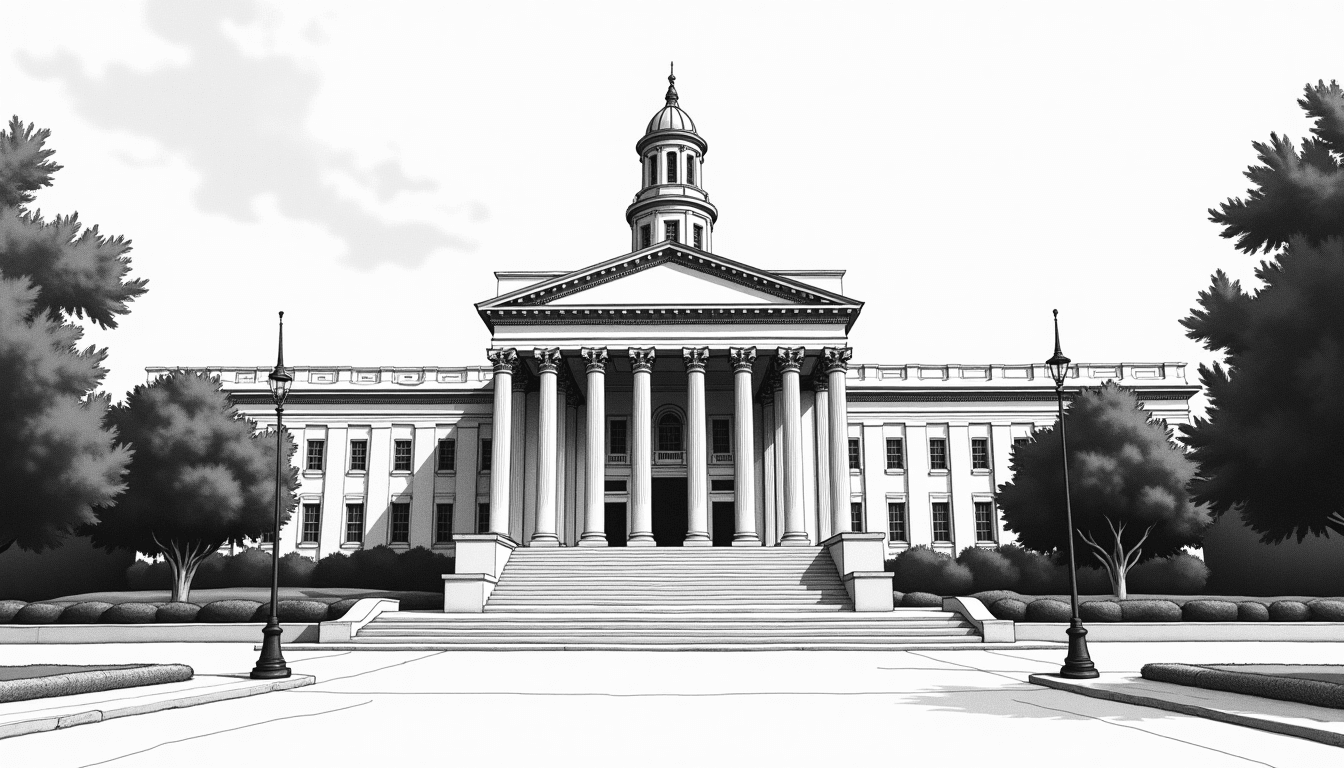
Florida’s Legislature began a special session Tuesday in Tallahassee aimed at reconciling competing state budget proposals passed by the Senate and House, which are separated by $1.4 billion. Both chambers reintroduced the same spending plans approved in February, and lawmakers have roughly three weeks to reach an agreement. Republicans expressed hope for a leaner budget than last year’s, while Democratic leaders cautioned that addressing residents’ affordability concerns should take priority over building up reserves.
Point / Counterpoint
The Ledger is neutral; these essays are not. Each side, as steel-manned as we can make it.
Point
The Republican-led push for a state budget that spends less than the prior year reflects sound fiscal stewardship that Florida lawmakers owe their constituents. Sen. Don Gaetz’s optimism about reaching a deal by May 29 is grounded in a straightforward principle: government should not spend more than it takes in, and surpluses should not be manufactured by overextending commitments. Florida has long been a model for other states precisely because it has resisted the temptation to treat one-time revenue windfalls as permanent baseline spending. Holding the line on expenditures — even when it requires a special session and hard negotiations — is the discipline that protects Floridians from structural deficits down the road.
The $1.4 billion gap between the chambers is not a sign of dysfunction; it is the legislature doing its job. Both the House and Senate came in with principled opening positions, and the negotiation process is working exactly as designed. Forcing every dollar to be justified before a final vote is a feature of Florida’s budget process, not a bug. The fact that lawmakers are reconvening to close this gap rather than simply rubber-stamping an inflated number demonstrates institutional accountability.
Building and maintaining healthy reserves is not an abstraction — it is what allowed Florida to weather the economic shocks of the pandemic and multiple hurricane seasons without the kind of fiscal crises that left other states slashing services mid-year. A rainy day fund is not a luxury; it is insurance. Gaetz’s framing — that spending less than last year models the right behavior — echoes what many economists have argued about state finances: countercyclical restraint during stable periods buys flexibility when genuine emergencies arise.
Critics who frame reserve-building as neglecting Floridians’ affordability concerns conflate two separate questions. A well-funded reserve does not preclude targeted relief; it enables it. A legislature that depletes its cushion chasing short-term popularity has fewer tools when a hurricane, a recession, or a federal funding cut arrives. The responsible path is to close the budget gap through discipline now and use the resulting stability to fund durable, efficient programs — not to raid reserves for politically appealing but unsustainable commitments.
Counterpoint
House Minority Leader Fentrice Driskell’s warning that lawmakers cannot build a rainy day fund while leaving everyday bills unpaid is not a rhetorical flourish — it is a precise diagnosis of where Florida’s budget priorities have gone wrong. The affordability crisis Driskell invokes is real and measurable: housing costs have surged across the state, property insurance remains in turmoil, and working families are being squeezed by expenses that state policy could directly address. Against that backdrop, the Legislature’s decision to reconvene in a special session without any apparent course correction on priorities is a missed opportunity dressed up as fiscal virtue.
The argument that spending less than last year is inherently good governance mistakes austerity for responsibility. A budget is not a ledger to be minimized — it is a statement of public commitments. If last year’s budget was itself underfunding critical areas like affordable housing assistance, mental health services, or public university support, then spending even less this cycle compounds those deficiencies. The question is not whether government spends more or less in the abstract, but whether it spends wisely on the things that allow Floridians to live stable, productive lives. No framework that ignores that question is truly fiscally responsible.
The $1.4 billion gap between the chambers is significant, and how it is closed matters enormously. If negotiators resolve it primarily through cuts to social services, workforce programs, or local government aid — rather than through genuine prioritization — the human cost will be borne by the Floridians least able to absorb it. Special sessions carry costs of their own, and the urgency they create can push lawmakers toward hasty resolutions that shortchange deliberation. Driskell’s call for proposals that actually help people facing the affordability crisis should be the benchmark against which any final deal is measured.
Reserves matter, but they are a means to an end, not an end in themselves. A government that hoards reserves while its residents struggle to afford rent or insurance premiums is not governing well — it is governing cautiously for its own institutional comfort. Florida’s reserves have been robust for several years. The case for yet another round of restraint, made while families face an ongoing cost-of-living squeeze, demands a more compelling answer than the observation that spending less models good behavior.
Sources: WCJB TV20