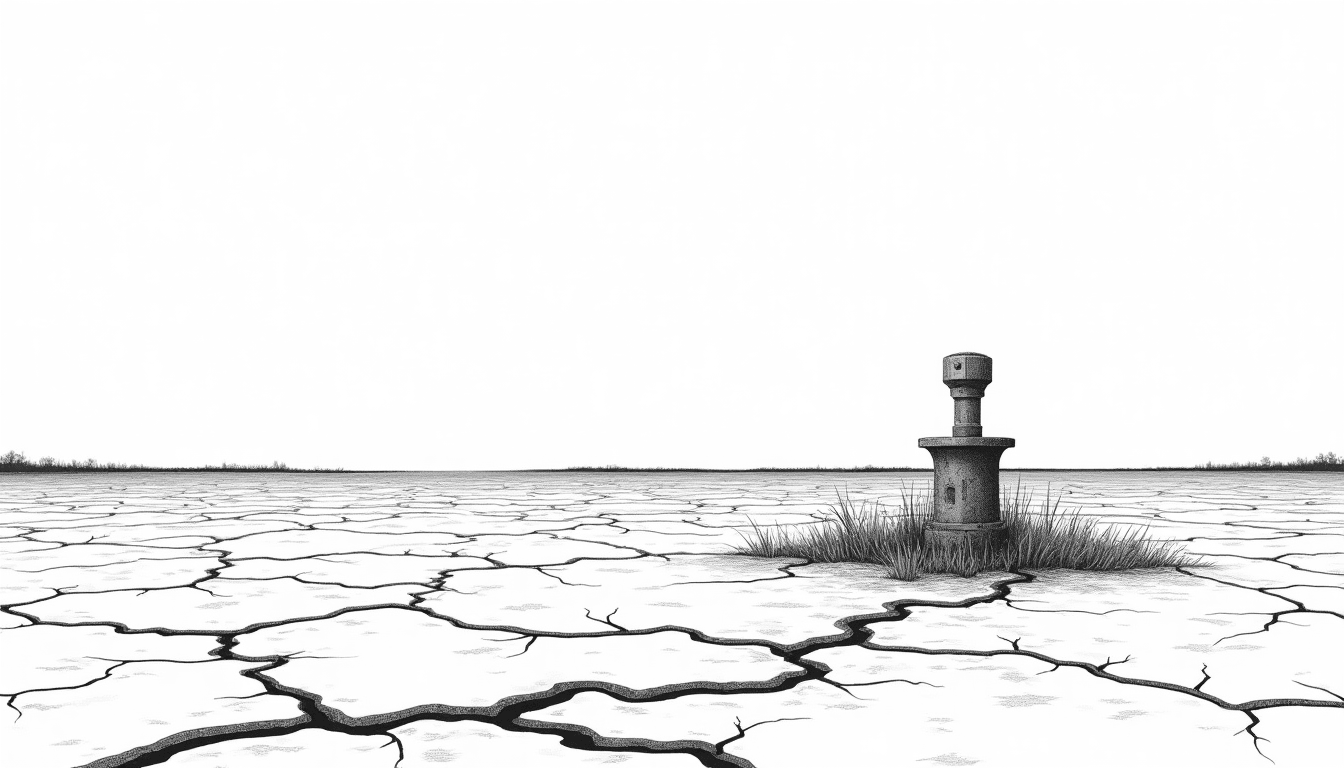
Groundwater levels across Alachua County have dropped to the 10th percentile as a prolonged drought has left the area roughly 20 inches below normal rainfall. An extreme water shortage has been declared for the region, and private wells in and around the city of Alachua are among the hardest hit, with some going completely dry. A water pump professional with decades of experience described current conditions as the worst he has seen since 2001, with crews lowering pumps and responding to depleted wells at an elevated rate.
Sources: WCJB TV20 · Mainstreet Daily News · Alachua County
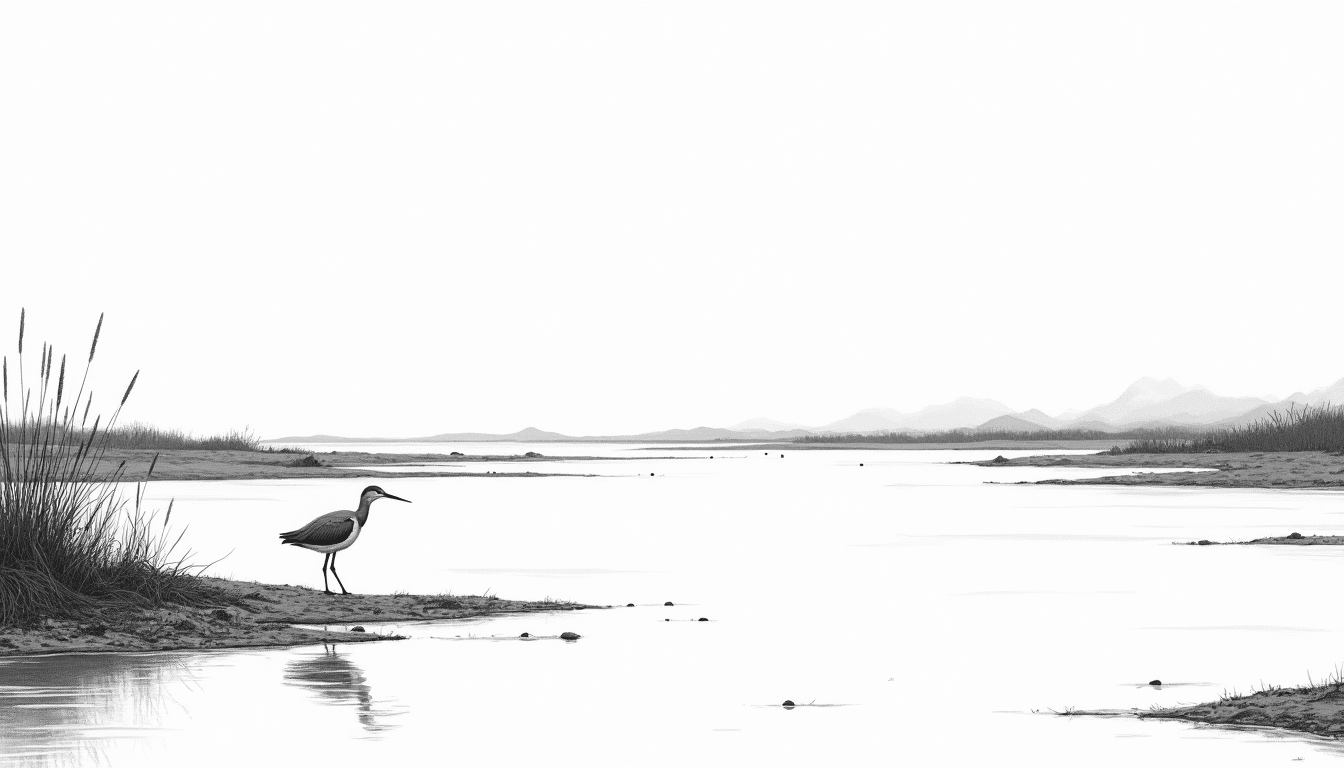
A prolonged drought gripping the Everglades has driven wading bird nesting numbers to their lowest point in three decades, according to a report from the Gainesville Sun. Dry conditions have also stressed alligator populations in the ecosystem. The crisis underscores the vulnerability of South Florida’s wetland wildlife to extended water shortages.
Sources: The Gainesville Sun
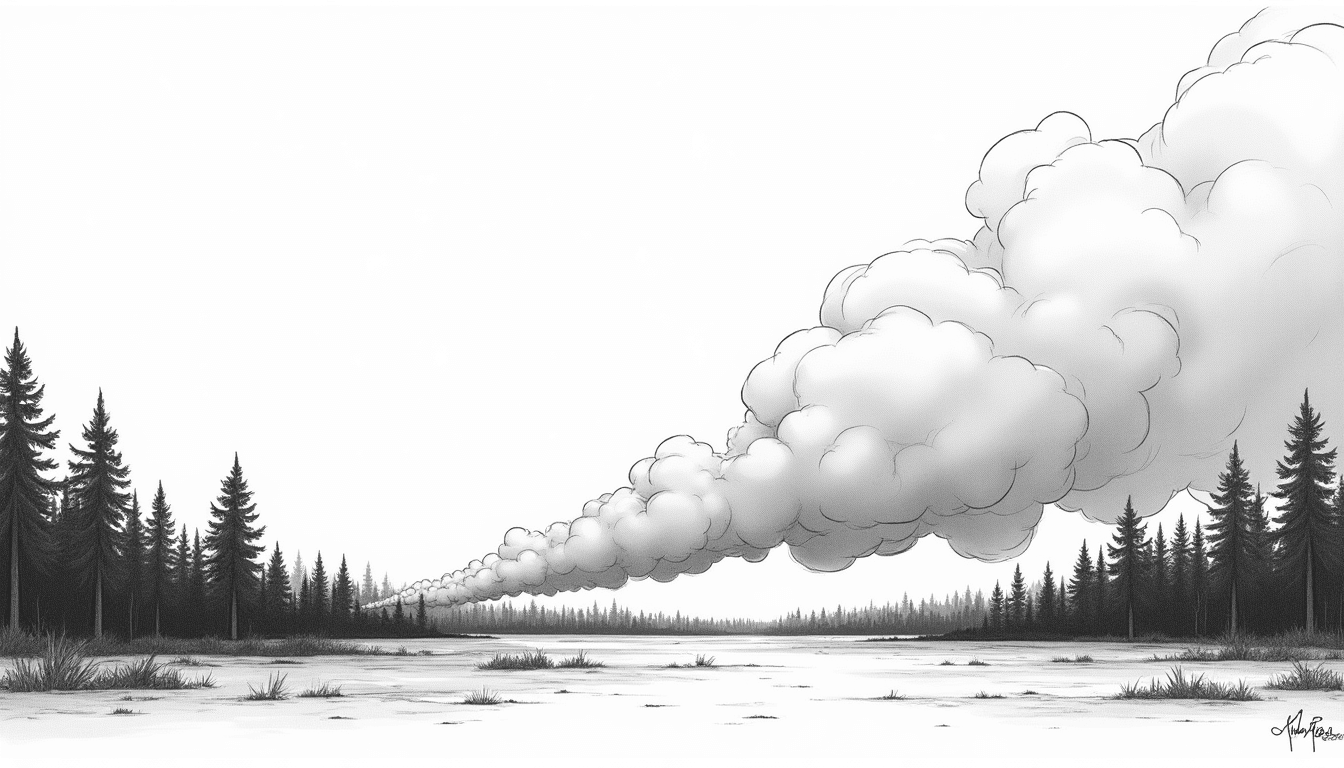
State Agriculture Commissioner Wilton Simpson warned that Florida’s wildfire season is shaping up to be one of the worst ever, with more than 2,100 fires having scorched over 130,000 acres statewide. Every part of Florida is experiencing some level of drought, pushing more than half of the state’s counties under burn bans. Officials say it would take more than a foot of rain to ease severe drought conditions in most areas, and even scattered showers would not be enough to resolve the underlying problem.
Sources: WCJB TV20
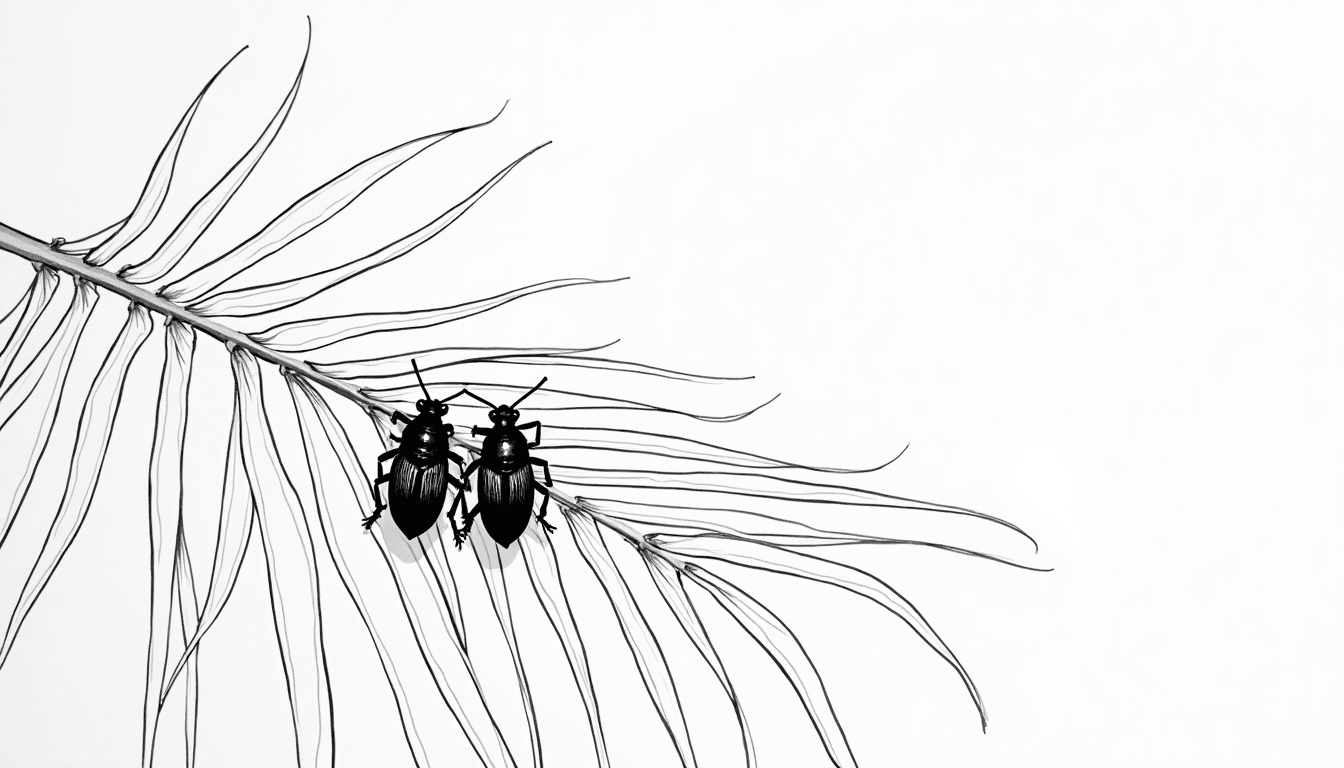
University of Florida entomologists say the lovebug swarms descending on Florida each spring and late summer pose no real threat — the insects do not bite, sting, or transmit disease, despite widespread belief otherwise. The swarms are tied to mating cycles and environmental triggers such as heat and vehicle exhaust, and they typically dissipate within a few weeks. Experts advise that chemical sprays are largely ineffective and recommend simple measures like promoting airflow and cleaning vehicles promptly after exposure.
Sources: UF News