

Education
Federal judge hears UF student’s free-speech challenge to expulsion over online posts
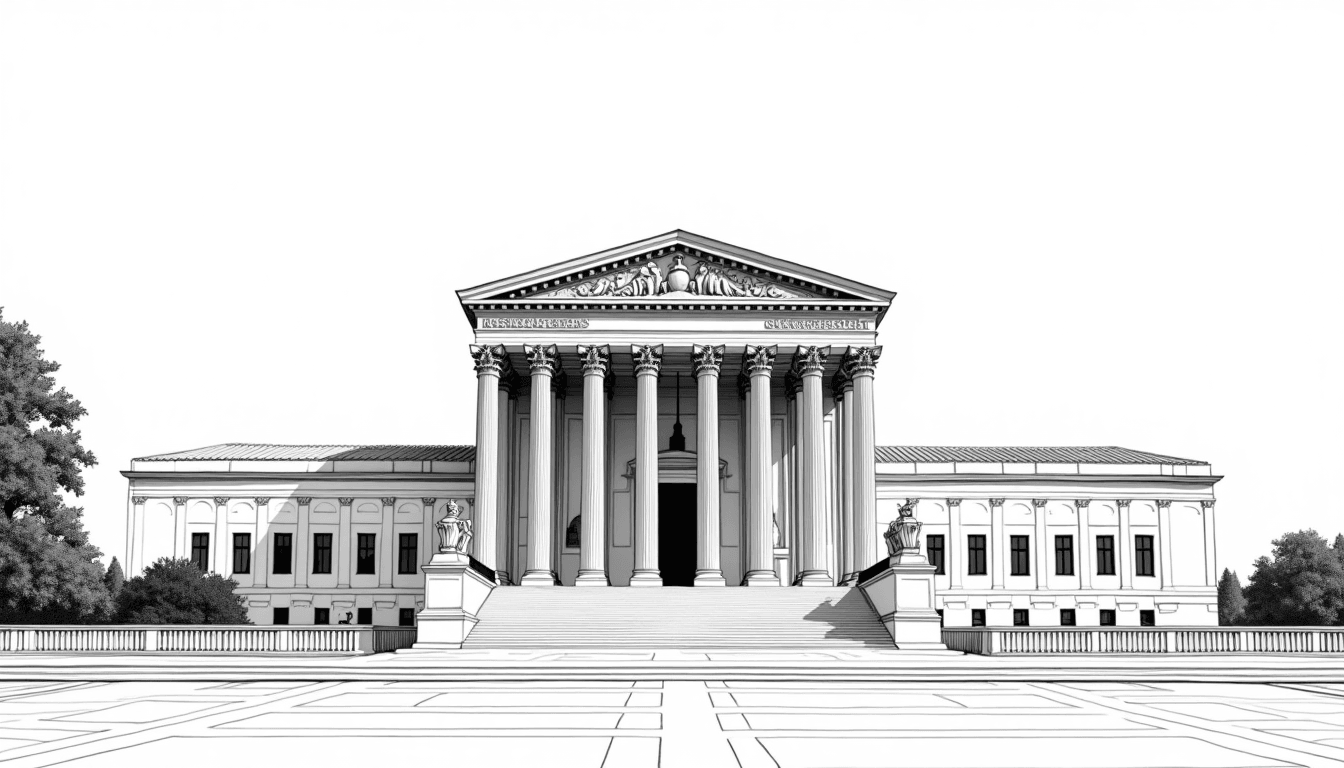
A federal judge heard arguments in a case brought by a University of Florida student who was expelled and is now contesting that punishment on free-speech grounds. The dispute centers on whether the university’s action against the student over online posts violated First Amendment protections. No ruling was immediately reported.
Point / Counterpoint
The Ledger is neutral; these essays are not. Each side, as steel-manned as we can make it.
Point
The University of Florida’s decision to expel a student over online posts deserves serious scrutiny, and the federal courtroom is exactly the right place to apply it. Public universities are arms of the state, bound by the First Amendment in ways that private institutions are not. When a state school disciplines a student for speech — even speech that administrators find offensive, threatening, or disruptive — it must clear a high constitutional bar. The Supreme Court has long held that the remedy for harmful speech is more speech, not enforced silence, and that chilling effect doctrine protects not just the individual speaker but the broader intellectual community that depends on open expression.
The stakes here go well beyond one student’s enrollment status. University campuses are among the last institutions in American public life that are supposed to model robust disagreement and the tolerance of unpopular ideas. When UF moves to expel rather than counsel, suspend, or engage, it sends a signal to every other student about where the line is drawn — and that line, once drawn by administrative fiat rather than judicial review, tends to creep inward. Students self-censor. Faculty hedge. The marketplace of ideas contracts.
Free-speech law also recognizes that online expression occupies a uniquely protected space. Posts, even inflammatory ones, rarely constitute the kind of ‘true threats’ or ‘incitement to imminent lawless action’ that lose First Amendment protection. Absent a clear, credible, and specific threat, disciplinary bodies at public universities are on shaky legal ground when they punish students for what they write on social media. The federal judge hearing this case will be measuring UF’s conduct against those standards.
Expulsion is the academic equivalent of a death sentence for a student’s educational career. That severity demands proportionality and procedural rigor. If the posts in question fell short of the narrow categories of unprotected speech, UF overreached — and the court should say so clearly. Upholding the student’s challenge would not be an endorsement of whatever was written; it would be a reaffirmation that public institutions cannot use their disciplinary power as a tool for viewpoint control.
Counterpoint
Universities are not simply open forums; they are communities with obligations to the safety and wellbeing of every student who walks their campus. The University of Florida, like all public institutions, must balance First Amendment commitments against its equally real duty to protect students from harassment, intimidation, and targeted harm. When online posts cross from protected expression into conduct that makes it impossible for other students to participate fully in campus life, the university is not silencing dissent — it is enforcing the conditions that make genuine intellectual exchange possible.
The legal framework for campus discipline is more nuanced than free-speech absolutists acknowledge. The Supreme Court’s decision in Mahanoy Area School District v. B.L. confirmed that institutions retain some authority over off-campus speech when it materially disrupts the school environment — and lower courts have applied similar reasoning to universities. If UF determined that the online posts at issue created a hostile environment, threatened individuals, or substantially disrupted the academic community, its expulsion decision may fall well within permissible bounds. The student now before a federal judge deserves due process, but due process does not automatically mean reinstatement.
There is also a structural concern about how free-speech arguments are deployed in university discipline cases. Expulsion proceedings are not viewpoint-based censorship in any principled sense when the conduct targeted — regardless of its ideological valence — would have triggered the same institutional response. If UF’s student code of conduct is applied consistently and the posts in question met the threshold for disciplinary action under that code, the university acted within its lawful authority. Courts are appropriately cautious about second-guessing institutional judgments made by administrators with direct knowledge of campus context.
Finally, the broader policy argument matters. A ruling that ties universities’ hands in responding to harmful online speech would leave administrators without workable tools to address a genuine and growing problem. The internet does not sanitize threats or harassment by placing them off-campus; their effects arrive on campus in full. Allowing public universities to maintain enforceable community standards — subject to appeal and judicial review, as is happening here — is not an assault on free expression. It is the institutional accountability that responsible governance requires.
Sources: The Gainesville Sun