

City
High Springs votes 3-2 to keep fire department, may raise fire assessment
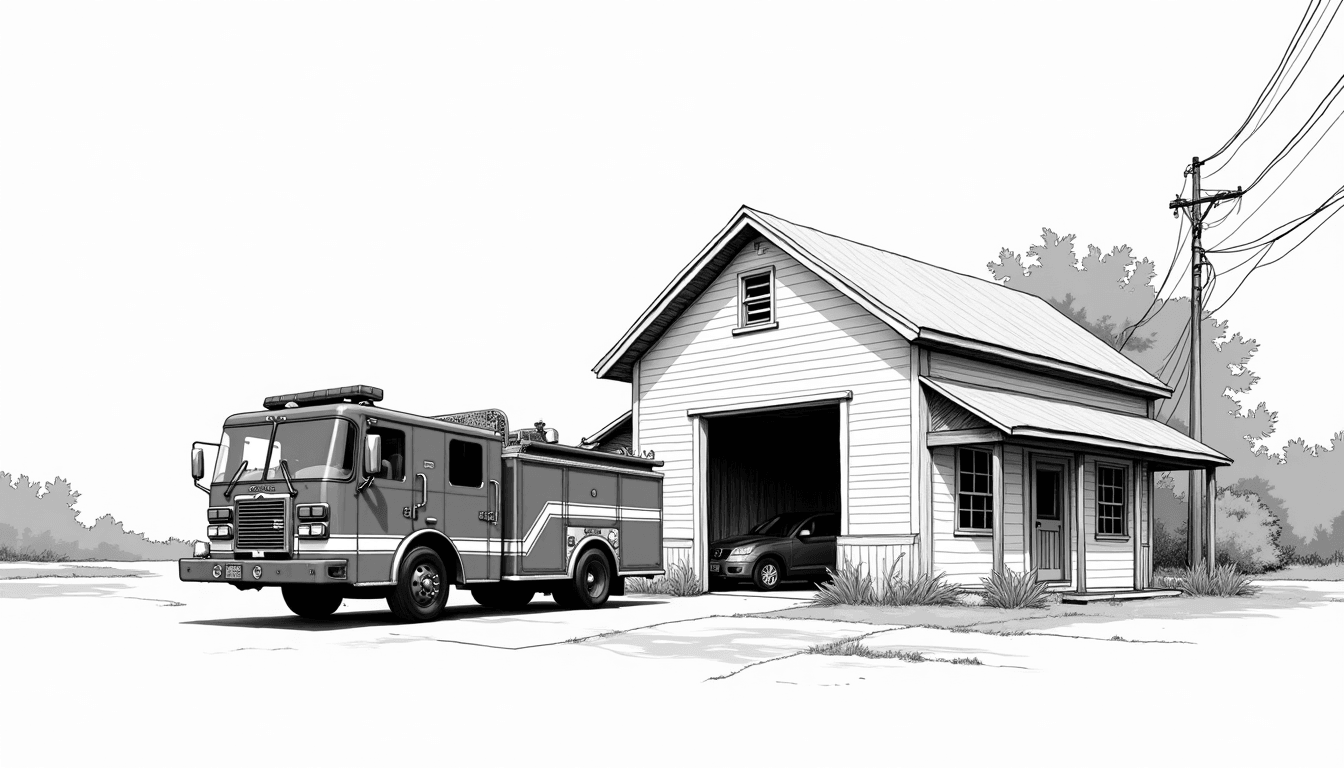
High Springs city commissioners voted narrowly on Thursday to retain the city’s fire department despite significant budget pressures. The commission then unanimously agreed to study raising the annual fire fee from $250 to as much as $383. Commissioners also voted to maintain current police department funding, though two commissioners argued the city is deferring tough fiscal choices.
Point / Counterpoint
The Ledger is neutral; these essays are not. Each side, as steel-manned as we can make it.
Point
The 3-2 vote by the High Springs City Commission to preserve its fire department was the right call, even if it forces the harder conversation about revenue that the city has been avoiding. Municipal fire protection is not a luxury service that can be bargained away in lean budget years — it is among the most fundamental obligations a local government owes its residents. Contracting out fire services or disbanding the department would shift response decisions away from locally accountable officials and toward arrangements that prioritize cost over community need.
Raising the fire assessment from $250 toward $383 is not a popular ask, but it is an honest one. Fees tied to specific services are among the most transparent forms of municipal finance — residents can see exactly what they are paying for and why. A fire department that is funded, staffed, and accountable to the community it serves is worth a modest increase in that assessment. The alternative — underfunding the department until it becomes functionally inoperable and disbandment is inevitable — is a far worse outcome.
Commissioners Grunder and Howell are not wrong that the city faces difficult fiscal choices. But preserving essential public safety infrastructure is precisely what distinguishes responsible governance from short-term crisis management. Cities that have dissolved their fire departments in the name of budget relief often find themselves dependent on county or regional services that are slower, less familiar with local geography, and less responsive to neighborhood concerns. High Springs should not trade long-term safety capacity for near-term budget relief.
The unanimous agreement to at least evaluate the higher fee suggests the commission understands that it cannot keep services and starve revenue simultaneously. Moving forward with a frank assessment of what a fully funded fire department actually costs — and being willing to charge residents accordingly — is the fiscally and morally responsible path.
Counterpoint
The two dissenting commissioners in Thursday’s 3-2 vote were raising a legitimate alarm that the majority chose to defer rather than confront. High Springs is a small city facing real fiscal constraints, and voting to preserve services without a credible funding plan is not bold leadership — it is the kind of incremental avoidance that turns manageable budget gaps into genuine crises.
The fire assessment discussion illustrates the problem. The commission voted to keep the fire department and then voted unanimously to merely evaluate whether to raise the fee — not to actually raise it. That sequence kicks the hard choice down the road. If the department is worth keeping, and the city lacks the general fund dollars to support it, then the commission should have committed to the revenue solution at the same time it committed to the service. Doing one without the other is fiscal wishful thinking.
Small municipalities across Florida have faced this exact dilemma. The honest answer is sometimes that a city of High Springs’ size cannot sustainably maintain a full-service fire department alongside a police department and all other city obligations. Interlocal agreements with Alachua County or neighboring jurisdictions have allowed comparably sized communities to maintain effective emergency response at lower cost, freeing up budget capacity for other underfunded priorities. That option deserves serious analysis, not dismissal.
Commissioners Grunder and Howell were not arguing against public safety — they were arguing against the pretense that difficult choices can be indefinitely postponed. The city’s residents are best served by elected officials who are willing to say clearly: here is what services cost, here is what we can afford, and here is the honest trade-off we are making. Thursday’s vote did not do that. It chose the politically comfortable path and left the fiscal reckoning for another day.
Sources: Mainstreet Daily News · WCJB TV20