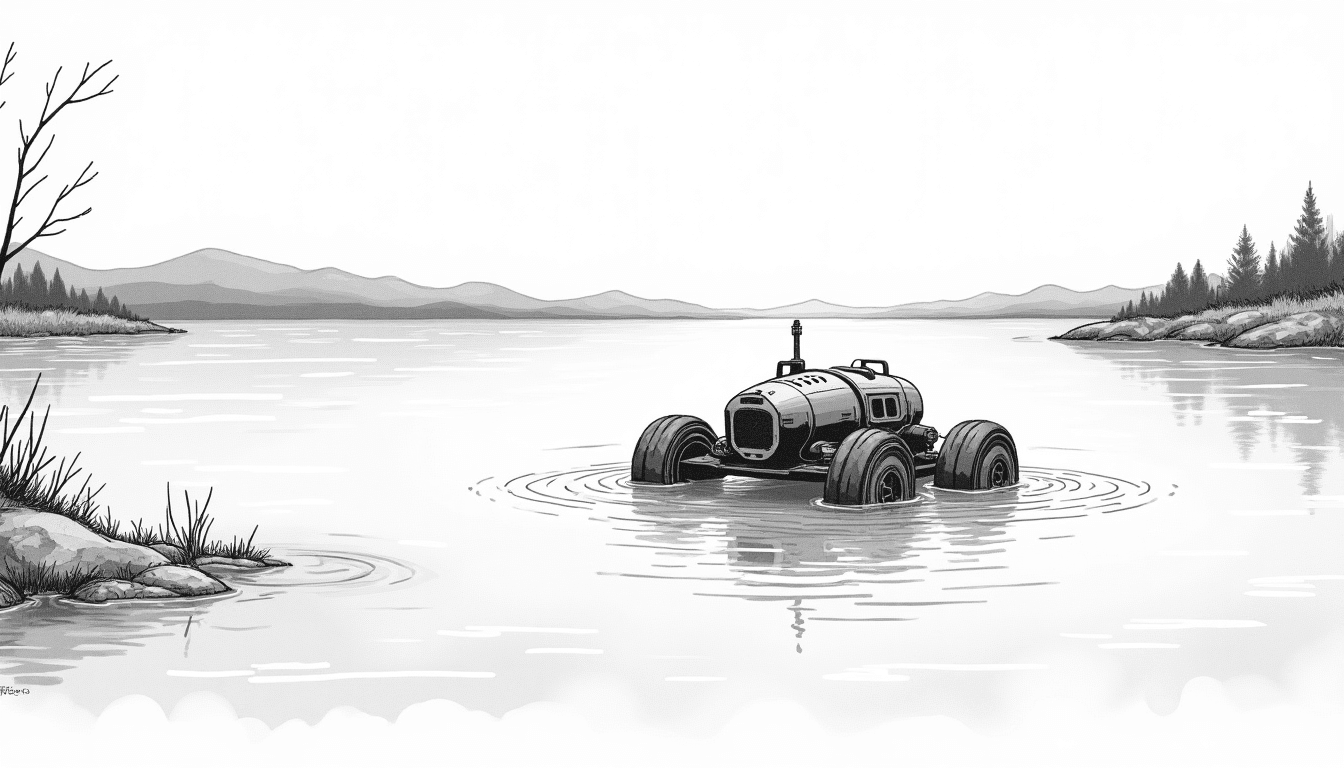
University of Florida scientists have built a device called BlueME, a magnetoelectric antenna that allows underwater robots to exchange information across distances exceeding 700 meters. The technology enables robot-to-robot communication in real time without retrieving the machines from the water, opening new possibilities for data collection in marine environments. The team has completed a working prototype and is now pursuing additional funding to advance the research.
Sources: UF News
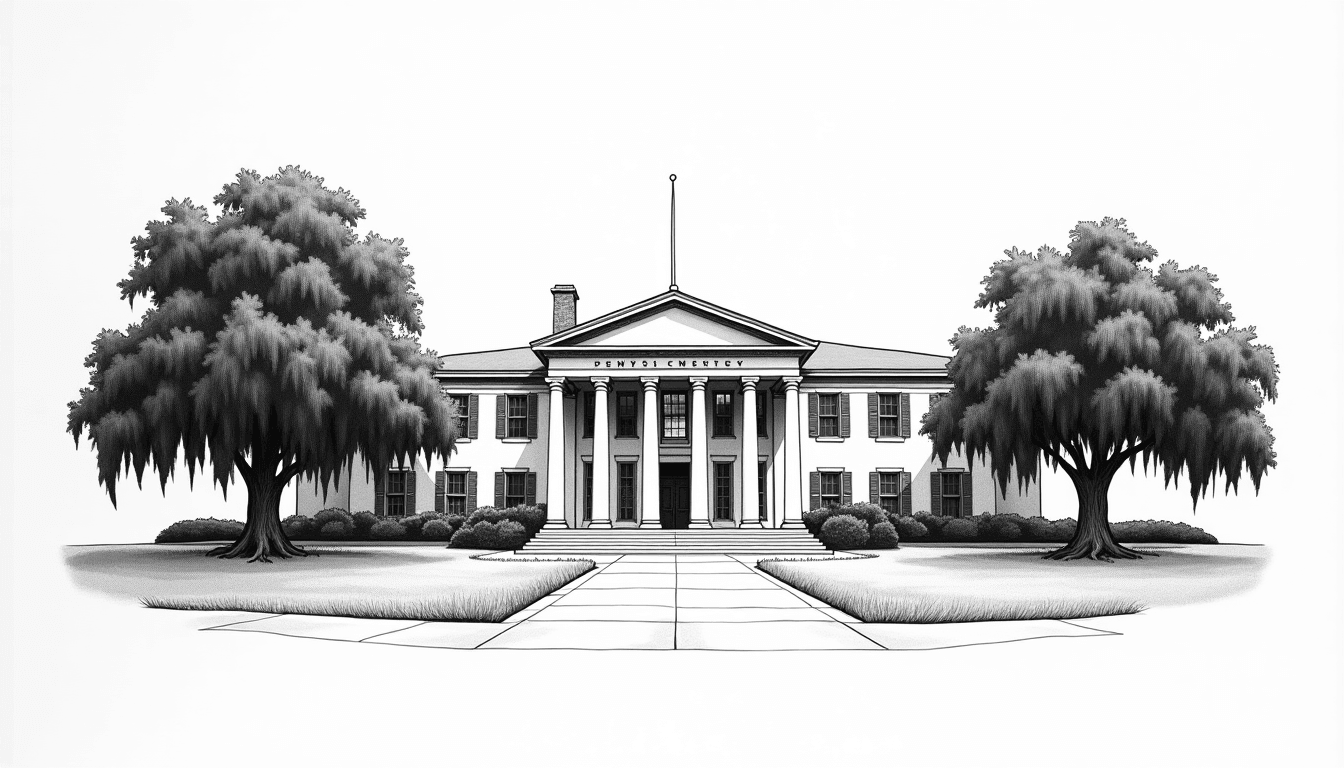
The University of Florida announced it will introduce an Early Decision application option for first-time students beginning with the Fall 2027 admissions cycle. Under the binding program, applicants can submit as early as August 1 and receive a decision by December 11, committing to enroll at UF and withdraw applications elsewhere if accepted. The university said the change was driven by feedback from high school guidance counselors and prospective students seeking an earlier commitment pathway.
Sources: UF News
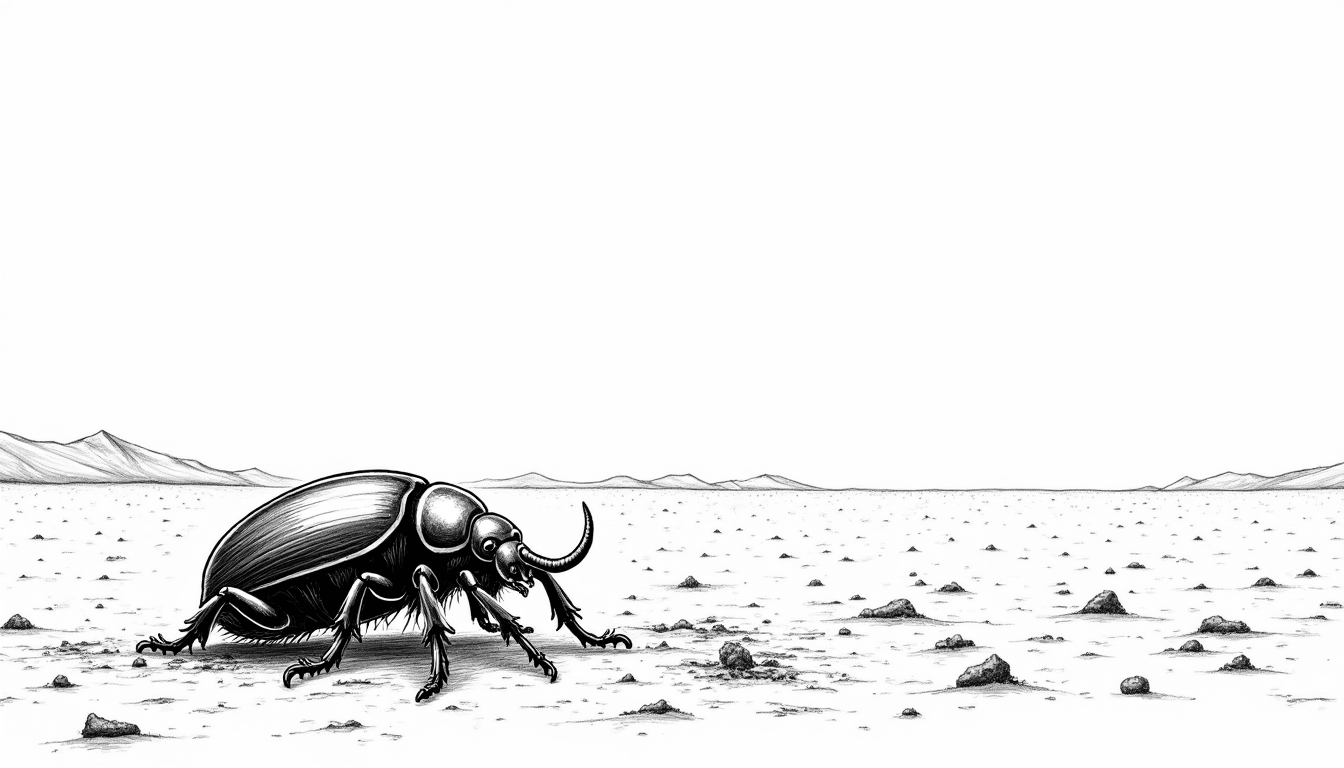
A new study co-authored by University of Florida researcher Todd Palmer and published in Science found that removing African elephants from experimental savanna landscapes in Kenya caused dung beetle populations and their ecological functions to collapse. Dung beetles play critical roles in nutrient recycling, seed dispersal, soil health, and parasite suppression, contributing billions of dollars in ecological value globally. The findings reinforce the idea that elephants act as a keystone species whose disappearance can set off broader ecosystem chain reactions.
Sources: UF News
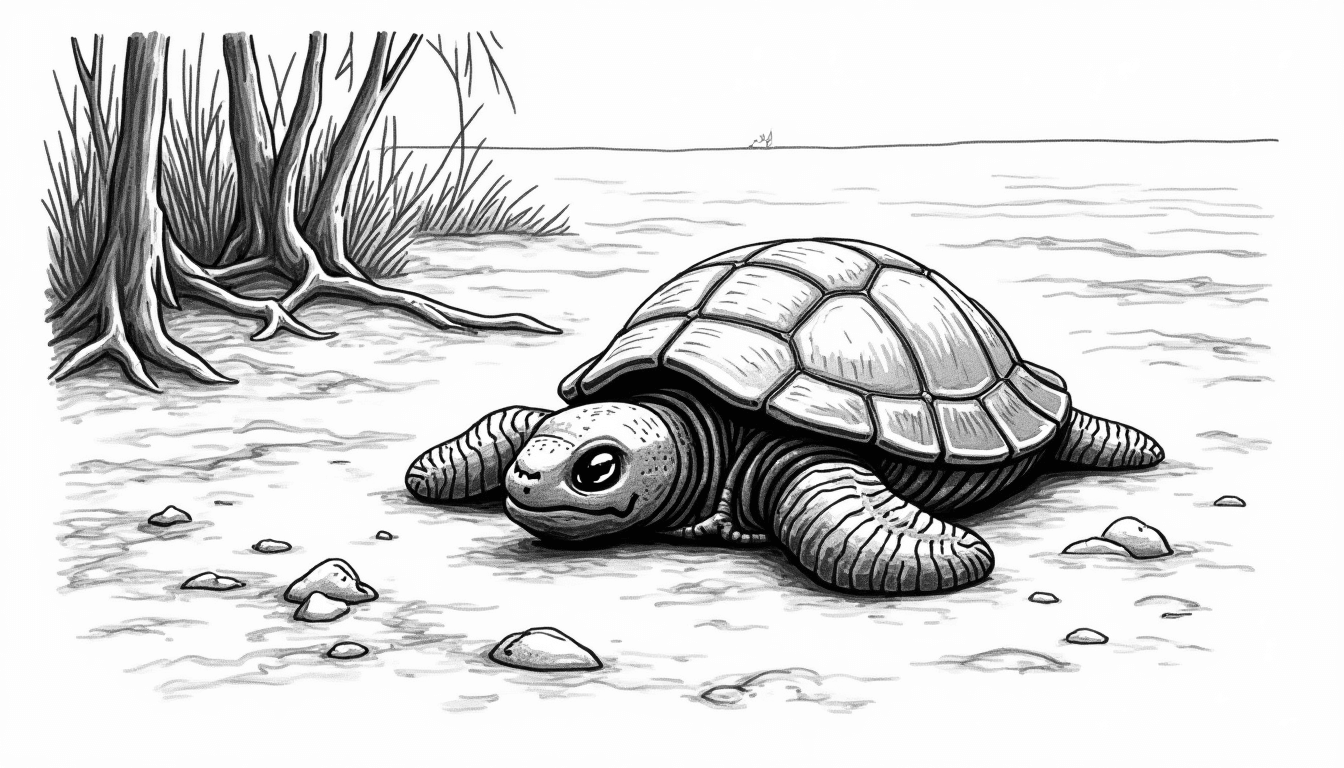
University of Florida paleontologist Jason Bourque has formally described a newly identified extinct musk turtle species, named Sternotherus pugnatus, which lived in Florida roughly 5.5 million years ago during the late Miocene. The name references the creature’s apparent combativeness, inferred from healed bite marks, scratches, and broken bones preserved in the fossil record. An alligator gar or close relative has been tentatively identified as one of the animals responsible for those injuries.
Sources: UF News
University of Florida researchers sequenced DNA and measured the mouthparts of 310 hawkmoth species to map how and when their feeding structures evolved. The study found that proboscises have repeatedly lengthened and shortened over the past 44 million years, driven by environmental pressures and geographic gradients. Some species developed elongated proboscises suited to specialized flowers, while others evolved shorter ones allowing access to a broader range of nectar sources.
Sources: UF News