

Education
School Board Tables Citizens Field Vote, Cites Last-Minute Document Delivery
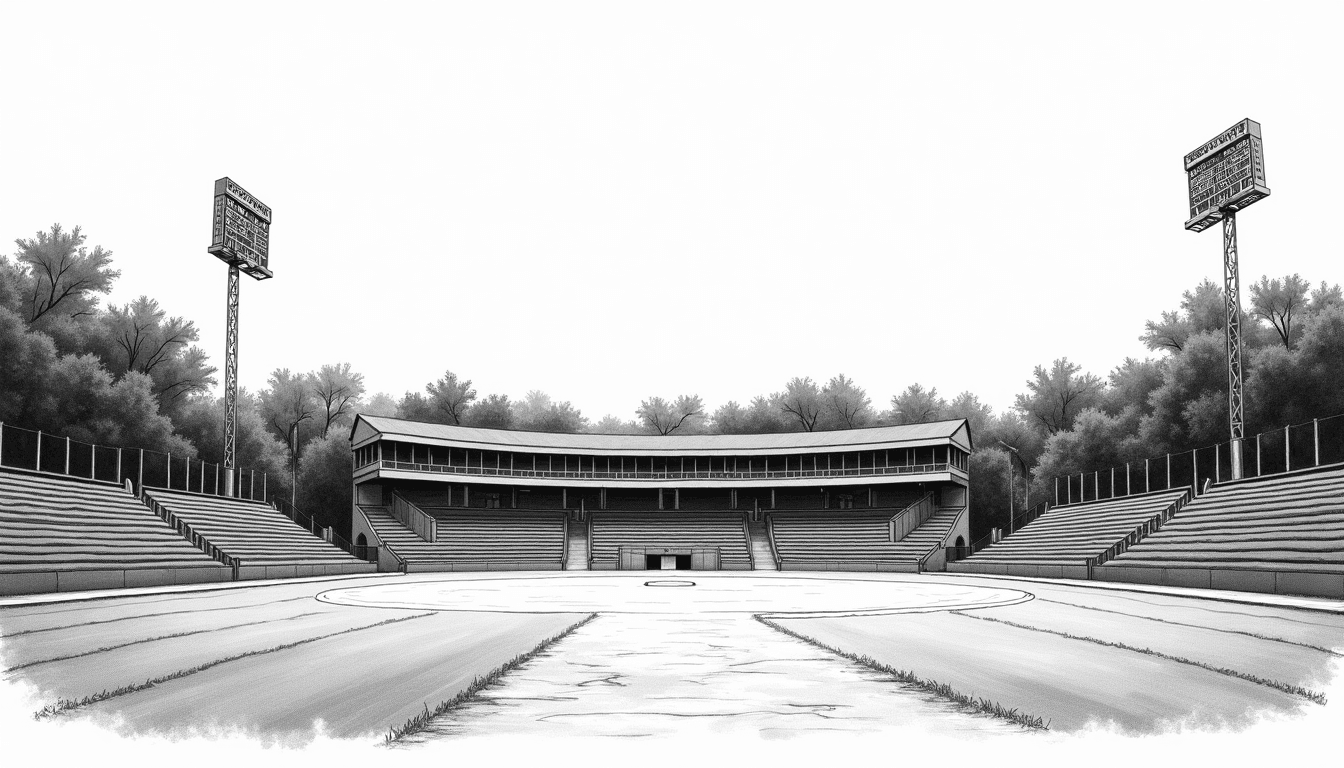
The Alachua County School Board unanimously delayed a vote Tuesday on a proposed agreement with the City of Gainesville that would eventually transfer sole ownership of Citizens Field to the school district for $500,000. Several board members said they had received the agreement documents only about an hour before the meeting and needed more time to review them. District estimates put the cost of fully demolishing and rebuilding the stadium at between $22 million and $25 million. The board also approved principal reassignments during the same meeting.
Point / Counterpoint
The Ledger is neutral; these essays are not. Each side, as steel-manned as we can make it.
Point
The school board’s decision to table the Citizens Field vote was not merely procedural caution — it was the right call, and it points to a deeper problem with how major financial decisions are being brought to the board. When elected officials are handed a half-million-dollar purchase agreement, attached to a potential reconstruction bill of up to $25 million in public funds, with barely an hour to review the terms before a vote, the process itself is broken. Board members are not rubber stamps. They are accountable to the taxpayers of Alachua County, and that accountability is impossible to exercise without adequate time for review.
The stakes here are significant. Citizens Field is a facility with a complicated history and a price tag that could balloon well beyond the $500,000 purchase figure once reconstruction costs are factored in. Estimates ranging from $22 million to $25 million represent a substantial public investment, and the school district has competing financial obligations — classrooms, staff, instructional materials — that must be weighed against infrastructure spending of this magnitude. Voting on such a commitment after an hour of review would have been irresponsible, regardless of whether the underlying deal is ultimately a good one.
Board member Thomas Vu’s frustration was plainly reasonable. When a major agreement arrives at the eleventh hour, it constrains deliberation — intentionally or not. Elected bodies function best when they have time to consult with constituents, request independent analysis, and ask hard questions about long-term fiscal impact. None of that is possible in sixty minutes. The unanimous decision to table the vote suggests this concern was not partisan or idiosyncratic; it reflected a shared institutional instinct that something was off about the timeline.
Gainesville residents should expect — and demand — that decisions of this financial scope move through a transparent, unhurried process. Tabling the vote was not obstruction; it was governance. The board should now insist that the full agreement be distributed well in advance of any rescheduled vote, that an independent cost assessment be presented, and that the public have a meaningful opportunity to weigh in before any ownership transfer is approved.
Counterpoint
There is a risk that the Alachua County School Board’s unanimous decision to table the Citizens Field vote, while framed as due diligence, becomes the first step in an indefinite delay that ultimately costs the district a genuinely valuable opportunity. The proposed deal — acquiring a longstanding public stadium for $500,000 — is, on its face, the kind of asset transfer that rarely comes to a school district on favorable terms. Allowing procedural frustration to derail substantive progress would be a disservice to the students and communities who stand to benefit from a modernized facility.
The board’s complaint about receiving documents too late is understandable, but it should not be conflated with opposition to the deal itself. No board member was reported to have raised substantive objections to the agreement’s terms — the concern was exclusively about timing. That is a process grievance, and process grievances have process remedies: a clear rescheduling date, a firm document-delivery deadline, and a commitment from city and district staff to better coordinate future negotiations. None of that requires the kind of open-ended delay that “tabling” can sometimes become in local government.
The financial picture, moreover, deserves more nuanced treatment than the sticker shock of a $22–25 million reconstruction estimate suggests. Infrastructure investments in public facilities are typically amortized over decades. A school district that owns Citizens Field outright controls its scheduling, its revenue, and its long-term disposition — advantages that have real dollar value. Districts across the country have used stadium partnerships and ownership arrangements to generate community programming, rental income, and athletic development opportunities that would otherwise be unavailable. Judging the deal solely on demolition-and-rebuild costs, without accounting for those benefits, is incomplete analysis.
The board should reconvene on this matter promptly, with a firm date set in advance and all relevant documents circulated at least a week prior. Legitimate oversight requires time, not indefinite postponement. The city of Gainesville and the school district share a long-term interest in making this partnership work, and that shared interest is best served by a board that moves deliberately but decisively — not one that lets a procedural complaint become a reason to walk away from the table.
Sources: WCJB TV20