
University of Florida engineers are developing a National Science Foundation-funded system that uses artificial intelligence and digital twin technology to simulate airport operations — including flights, passengers, and baggage — with the goal of reducing delays and improving efficiency. The team draws on analytical tools more commonly applied to studying animal migration, ecosystems, and water flow. Researchers aim to make the full travel experience, from parking to takeoff, run more smoothly.
Sources: UF News

The University of Florida Board of Trustees is scheduled to meet on June 10 at Emerson Alumni Hall to interview Dr. Stuart Bell and vote on his selection as UF’s 14th president. The meeting is set to begin at 2:30 p.m., with media credentialing available ahead of the vote.
Sources: UF News
The University of Florida has named ten students as recipients of Fulbright U.S. Student Program awards for 2026-2027. The recipients — Rocco Barbusca, Lisa Dias, Sebastian Gillespie, Daniela Gray, Divya Kishore Huilgol, Mikhail Mikhaylov, Avery Roe, Kate Rush, Neeva Sethi, and Cortney Smith — will pursue graduate study, research, or English teaching abroad. The Fulbright program sends roughly 2,000 American students to more than 160 countries each year.
Sources: UF News

University of Florida engineers are investigating whether lasers can be used to bend and shape materials in space, potentially allowing astronauts to build structures on the moon using local resources such as lunar soil converted into glass. The project, led by associate professor Victoria M. Miller of the Herbert Wertheim College of Engineering and UF’s Astraeus Space Institute, recently wrapped up a DARPA-funded phase of research. The approach could overcome the challenge of transporting large conventional manufacturing equipment to space.
Sources: UF News

University of Florida researchers say tick activity in Florida reaches its highest levels during the hottest summer months, with the lone star tick identified as the most common species to bite humans in the state. Beyond transmitting disease-causing pathogens, the lone star tick is also linked to alpha-gal syndrome, a potentially life-altering allergy to red meat and some dairy products. Experts recommend using insect repellent, wearing protective clothing, and checking for ticks after outdoor activities to reduce exposure.
Sources: UF News
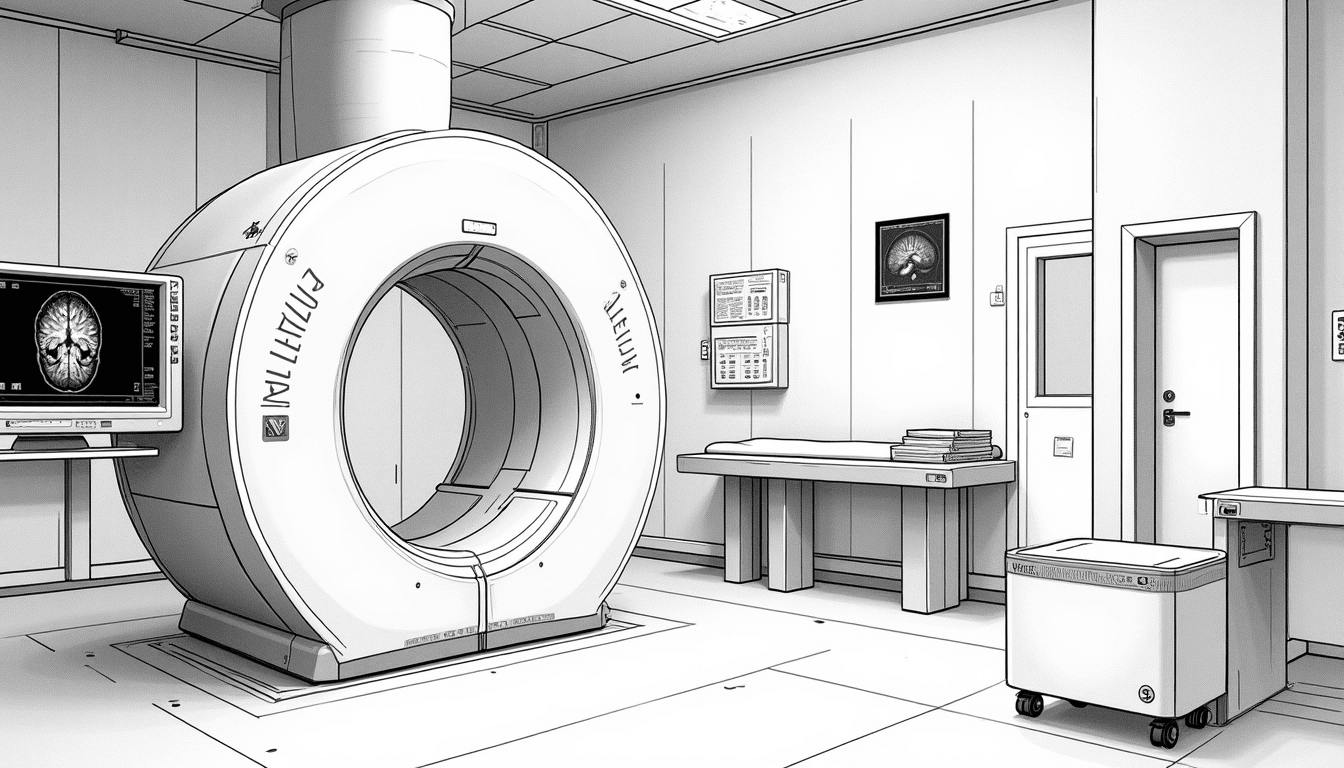
University of Florida researchers have created an artificial intelligence tool called AIDD that uses specialized MRI scans to differentiate Alzheimer’s disease from dementia with Lewy bodies with near-perfect accuracy. The tool maps subtle water-movement patterns in the brain caused by cell damage and inflammation to distinguish between the two conditions, which are frequently confused. Researchers say the technology could prevent misdiagnoses that lead to harmful treatments, an increasingly urgent concern as dementia cases are projected to more than double by 2060.
Sources: UF News

A University of Florida faculty member contends that the wave of AI legislation sweeping the country — more than 1,500 state bills introduced this year alone — is fundamentally misdirected because it focuses on regulating AI tools rather than the broader systems and human actors that deploy them. The piece also critiques a recent White House framework for simultaneously trying to limit state-level regulation while advancing its own policy priorities. The author calls for regulators to take a more holistic view of how AI is embedded in real-world contexts.
Sources: UF News

A University of Florida food science and human nutrition professor is cautioning against trendy hydration products as summer heat intensifies. Laura Acosta, with UF’s Institute of Food and Agricultural Sciences, says most people get adequate hydration from plain water and that alkaline water carries no proven advantage, while moderate caffeine intake does not typically cause dehydration. She also recommends drinking fluids in advance of exercise or extended time in the heat to reduce the risk of heat-related illness.
Sources: UF News