

Education
Alachua County School Board votes to reject Citizens Field stadium contract
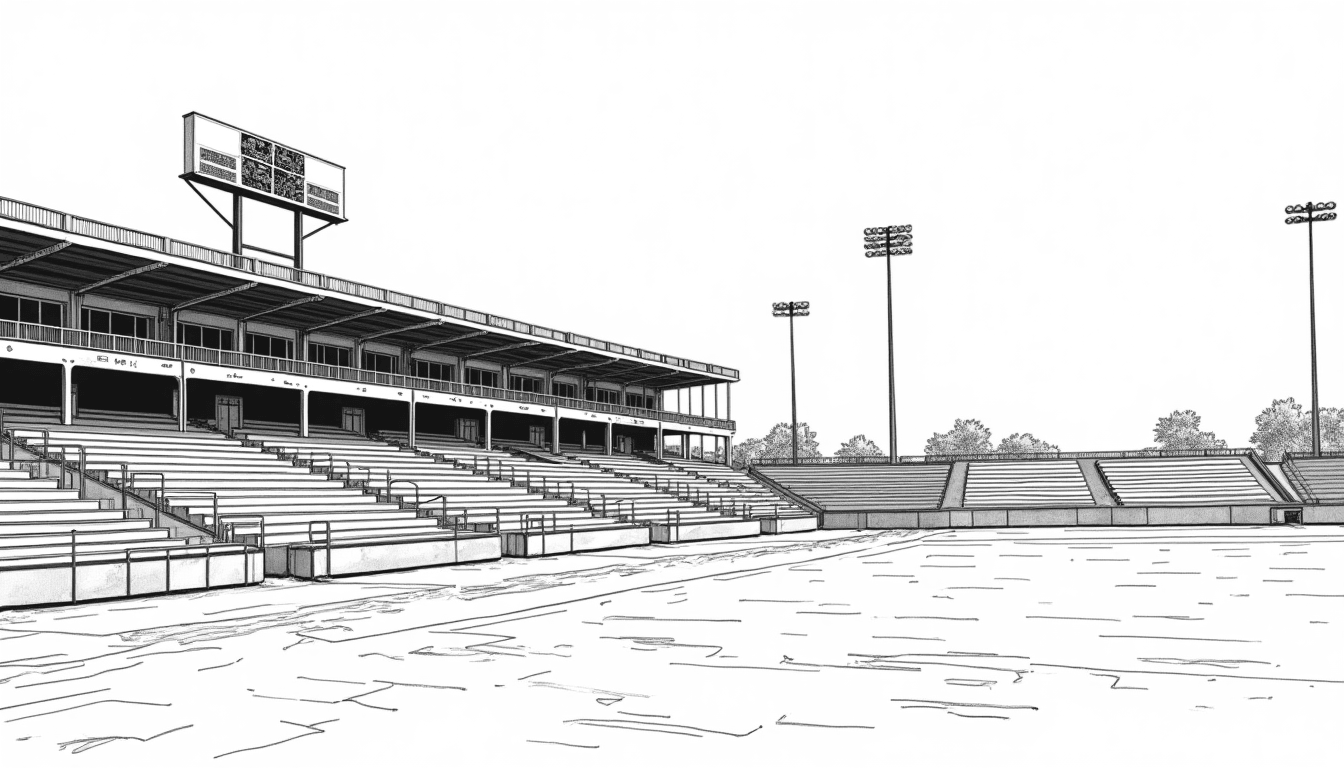
The Alachua County School Board voted against a contract related to the purchase or use of Citizens Field stadium in Gainesville. The headline indicates the board had specific reasons for the rejection, though the full details are behind a paywall.
Point / Counterpoint
The Ledger is neutral; these essays are not. Each side, as steel-manned as we can make it.
Point
The Alachua County School Board’s rejection of the Citizens Field stadium contract reflects a principled exercise of fiscal responsibility and democratic accountability. School boards exist to steward limited public education dollars on behalf of students and families — not to absorb real estate or infrastructure obligations that could divert funds from classrooms, teachers, and programs. Citizens Field is an aging municipal stadium whose maintenance and operational costs would reasonably fall to the district once a purchase contract was signed. For a school system already navigating the pressures of state funding formulas, rising insurance costs, and deferred facility maintenance across its own campuses, taking on an additional major asset of uncertain value raises serious questions about priorities.
Beyond the finances, the board’s vote signals an important institutional boundary. School districts are not municipal governments, and their authority — and responsibility — is specifically tied to educational outcomes. When boards stray into large-scale real estate acquisitions, they invite mission drift, exposure to unforeseen liabilities, and public skepticism about how education tax dollars are actually being spent. Voters and parents deserve to know their board is laser-focused on the core enterprise of educating children.
The decision also reflects a broader pattern of local governments in Florida grappling with aging public facilities and who should bear the cost of their upkeep or redevelopment. Citizens Field has a long history in Gainesville, but nostalgia is not a balance sheet. If the facility’s long-term economic case was strong, the private sector or the city itself — entities with broader mandates and revenue tools — would be better positioned to make that investment.
Rejecting the contract preserves the school board’s financial flexibility and keeps its focus squarely on students. That is exactly what an elected board of education should do.
Counterpoint
The Alachua County School Board’s rejection of the Citizens Field stadium contract may be a short-sighted decision that squanders a rare opportunity to secure a community asset that could directly benefit student-athletes and the broader Gainesville community for generations. School districts across Florida routinely manage athletic facilities, stadiums, and multi-use campuses — these are not distractions from education but extensions of it. High school athletics, band performances, graduation ceremonies, and community events are all part of the public school experience, and having access to a quality venue matters for the students who participate in them.
Citizens Field is an established Gainesville landmark with infrastructure already in place. Acquiring it could give the school district control over a venue it might otherwise have to rent or forgo, saving costs over the long run while expanding programming options. The argument that the district cannot afford such an asset assumes the contract terms were unfavorable — but without the full details of what was rejected, it is equally plausible that the deal represented genuine value. Boards that reflexively reject major opportunities out of risk aversion can leave their communities worse off than those willing to make strategic, long-term investments.
There is also a community equity dimension worth considering. Gainesville’s student population includes many young people from lower-income households who may not have access to high-quality athletic and event facilities outside of what the school district provides. A well-maintained, district-controlled stadium could expand access to sports, performing arts, and civic events in ways that rental agreements or shared-use arrangements may not reliably deliver.
The school board should ensure that its vote was based on a rigorous, transparent analysis of the contract’s actual terms — not institutional inertia or a reflexive aversion to complexity. If the deal truly was flawed, the board should say so clearly and challenge the city to bring a better one. A no vote without a constructive path forward is not leadership; it is an abdication of the opportunity to shape Gainesville’s future.
Sources: The Gainesville Sun