

City
Gainesville’s $4.5M streatery project stirs downtown debate over access and construction
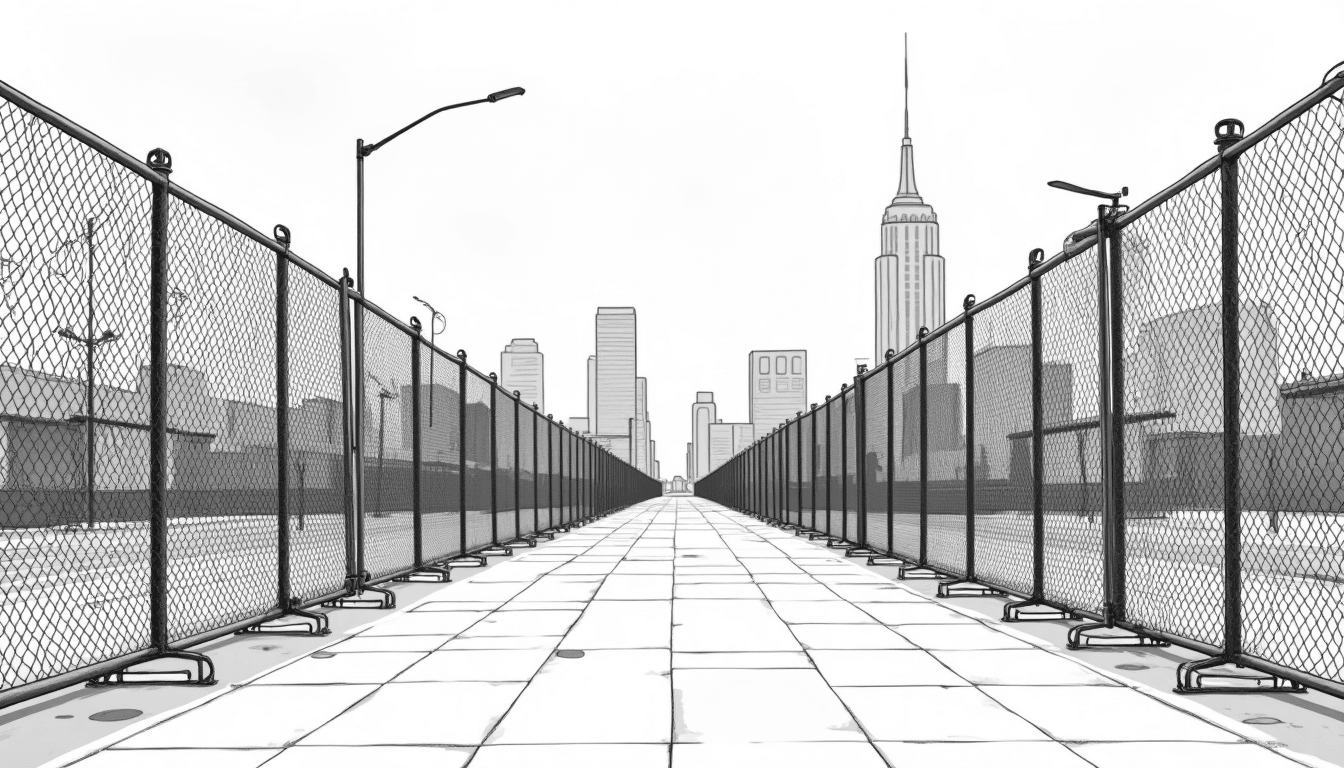
Construction fencing continues to line Southwest First Street as the city’s $4.5 million streatery project moves forward, with downtown businesses remaining open during the work. Residents are divided, with some welcoming the project’s potential for community growth and new amenities while others say ongoing construction has complicated parking and navigation in the area.
Point / Counterpoint
The Ledger is neutral; these essays are not. Each side, as steel-manned as we can make it.
Point
The Gainesville streatery project on Southwest First Street represents exactly the kind of deliberate, community-centered investment that mid-sized cities must make if they want vibrant, walkable downtowns that generate lasting economic activity. Streeteries — outdoor dining and gathering spaces carved out of former parking or travel lanes — have become one of the most well-documented tools for revitalizing urban corridors. Cities like Oklahoma City, Raleigh, and Tampa have used similar investments to anchor small business ecosystems and attract foot traffic that sustains local entrepreneurs far beyond any single restaurant or food truck.
The benefits don’t accrue only to the businesses directly adjacent. When a street is made more inviting and pedestrian-friendly, it draws residents who might not have ventured downtown otherwise. As one resident noted about the Gainesville project, the design is intentionally inclusive and family-oriented, which signals that the space is meant to welcome a broader cross-section of the community — not just the demographic that already frequents downtown. That kind of intentional design philosophy is worth $4.5 million if it produces the density of community life that sustains a downtown economy.
Temporary construction inconvenience is the price of permanent improvement. Every meaningful infrastructure upgrade — sidewalk widening, utility undergrounding, streetscape renovation — imposes short-term friction on the people who live and work nearby. The question is not whether disruption is occurring, but whether the end state justifies it. Gainesville’s downtown has struggled for years to compete with suburban retail corridors; a streatery that activates street-level commerce and offers outdoor gathering space is a plausible step toward closing that gap.
Far from making the city less accessible, the finished project is designed to do the opposite: create a destination where food trucks, small vendors, and community events can draw people in from across the city. Residents who are frustrated by the current fencing should hold that judgment until the construction is complete and the space is activated. If comparable projects in other cities are any guide, the result will be a public amenity that more than justifies the temporary disruption.
Counterpoint
A $4.5 million investment in a single block of Southwest First Street deserves hard scrutiny, especially when the most immediate feedback from the people actually trying to use downtown Gainesville is that the construction has made the area harder to navigate. Concerns about parking and traffic aren’t trivial complaints from people resistant to change — they reflect the practical reality that most Gainesville residents arrive downtown by car, and a project that reduces the legibility or accessibility of a commercial corridor risks driving away the very foot traffic it hopes to attract.
The streatery concept, borrowed from pandemic-era street-activation experiments in larger coastal cities, doesn’t translate automatically to every urban context. Gainesville is not San Francisco or New York, where density and transit make a car-free or car-reduced street block a seamless transition. Downtown Gainesville depends heavily on accessible parking and clear circulation routes to draw customers who have the option of driving to suburban shopping alternatives. When construction fencing obscures storefronts and disrupts parking patterns for an extended period, businesses suffer — and there is no guarantee that the post-construction amenity will fully compensate for the customers lost during the build.
The inclusivity language surrounding this project also deserves interrogation. Streeteries in other cities have sometimes accelerated gentrification dynamics, raising nearby property values and commercial rents in ways that eventually displace the very small businesses and working-class residents they were marketed to serve. A food truck plaza and outdoor dining destination can easily become a premium amenity that prices out the community members who were promised a seat at the table. Without enforceable commitments to affordable vendor access and community governance of the space, the project’s inclusive aspirations may not survive its own success.
At $4.5 million, this is not a trivial expenditure for a city that faces real fiscal constraints and competing infrastructure needs. Those funds could have addressed deferred maintenance, transit access, or capital improvements with broader utility across Gainesville’s neighborhoods. Before celebrating the streatery as urban progress, residents and officials should ask honestly whether this block of Southwest First Street was the highest-priority use of those dollars — and whether the people most affected by the construction were genuinely consulted before the shovels went in.
Sources: WCJB TV20