

State & National
AI data centers spark concerns over Florida water and power demands
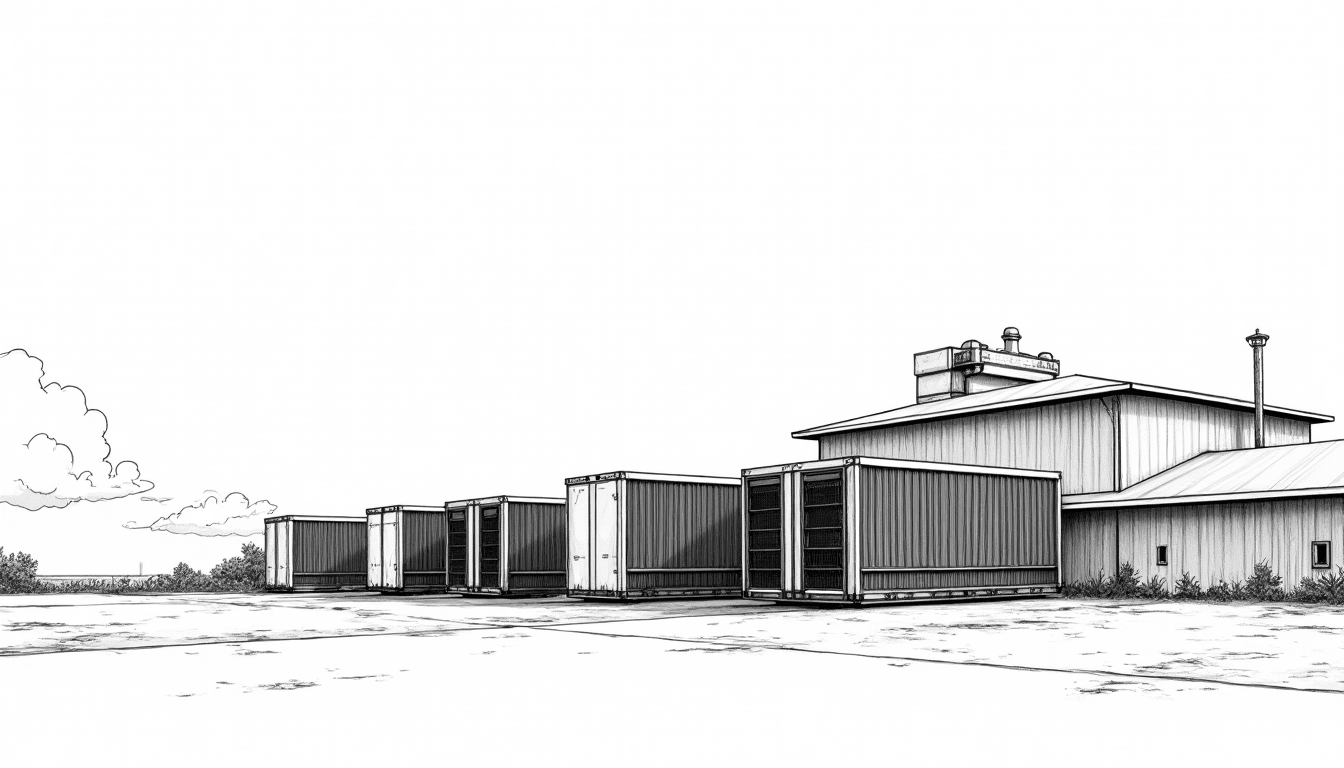
Growing interest in artificial intelligence data centers across Florida has prompted worries about the strain such facilities could place on water and electricity resources. Several counties and cities have responded by pausing or imposing moratoriums on new data center development as communities weigh the costs and benefits.
Point / Counterpoint
The Ledger is neutral; these essays are not. Each side, as steel-manned as we can make it.
Point
Florida communities are right to pump the brakes on AI data center expansion, and the moratoriums taking shape across the state reflect a hard-won lesson from decades of growth-at-all-costs development: when infrastructure demand outpaces planning, it is ordinary residents who pay the price.
Data centers purpose-built for artificial intelligence workloads are not ordinary office parks. They consume electricity at a scale that can stress regional power grids, and they require enormous volumes of water for cooling — in some cases millions of gallons per day for a single facility. Florida is already a state where water management is a perennial crisis. The Floridan Aquifer, which supplies drinking water across the peninsula, faces persistent overdraft pressures. Inviting industries with industrial-scale thirst into that environment, without rigorous environmental review, is reckless.
The power picture is equally troubling. Florida’s grid has faced reliability concerns during peak summer demand, and the state’s electricity comes heavily from natural gas — a source with its own supply-chain volatility. AI inference workloads run around the clock, every day of the year. Stacking that kind of baseload demand onto a grid not engineered to absorb it means higher rates, more frequent outages, and accelerated pressure to build fossil-fuel generation that undermines any climate commitments the state has made.
Counties and cities that have paused to study the question are exercising exactly the kind of deliberate governance that large capital projects require. A moratorium is not a ban; it is a request for information before an irreversible commitment is made. That is responsible stewardship. The economic promises dangled by data center developers — jobs, tax revenue, innovation spillovers — have historically proven thinner than advertised. These facilities are highly automated; they do not generate the dense local employment that justifies the infrastructure subsidy. Florida’s communities deserve a clear-eyed accounting before they sign over their water tables and grid capacity to serve a global tech industry’s computing needs.
Counterpoint
Moratoriums on AI data centers may feel like prudent caution, but in practice they risk locking Florida out of one of the defining economic transformations of the early 21st century — while doing little to actually address the environmental concerns motivating them.
Data centers are not going away because a county passes a pause ordinance. They will be built somewhere — in states or nations with looser environmental standards, older grid infrastructure, and less political will to require responsible siting. Florida’s existing regulatory frameworks, including water-use permitting under the state’s water management districts and interconnection review by utilities, already require developers to demonstrate that their projects can be accommodated without unacceptable strain. A blanket moratorium short-circuits that process and treats a case-by-case question as if it has a one-size-fits-all answer.
The water and power concerns, while real, are also susceptible to technological solutions that are advancing rapidly. Many hyperscale data center operators have committed to water-positive operations — returning more water to local watersheds than they consume — and are deploying air-cooling and immersion-cooling systems that dramatically reduce water draw. On the power side, several major operators are pairing new facilities with direct investments in solar generation and battery storage, effectively bringing new clean capacity onto the grid rather than simply burdening it. Moratoriums that freeze permitting also freeze these accompanying infrastructure investments.
Finally, the economic argument for welcoming thoughtfully sited data centers is stronger than critics allow. Florida has a genuine opportunity to position itself as a hub for AI infrastructure in the southeastern United States, attracting associated engineering talent, supply-chain businesses, and the property-tax base that funds schools and public services. The counties that have moved to pause new development should be asking what conditions — water-use caps, renewable energy mandates, cooling technology requirements — would make a project acceptable, rather than treating every application as a threat. Smart regulation is not the same as no development, and the communities that learn that distinction will be better positioned than those that simply say no.
Sources: The Gainesville Sun