

City
Gainesville holds first workshop on future of former Thelma Boltin Center site
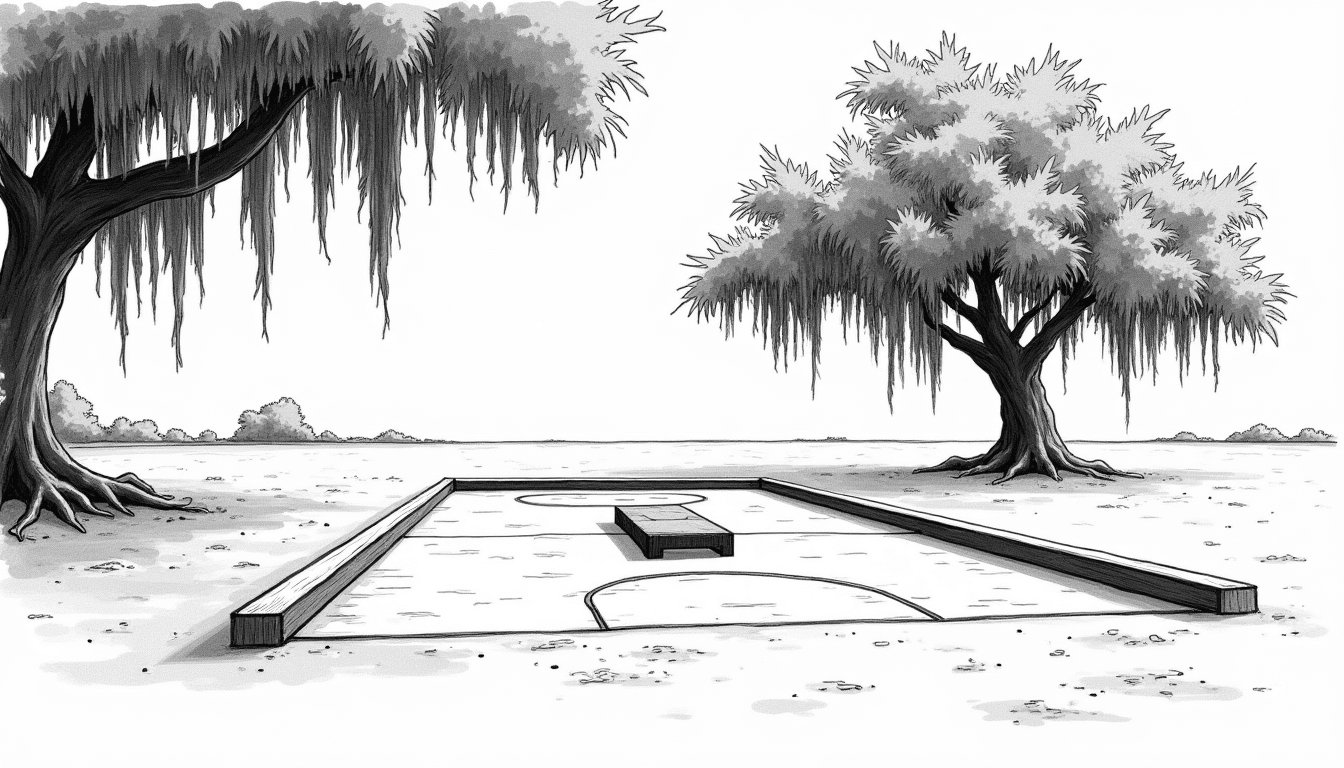
The City of Gainesville launched the first of three public workshops Tuesday to gather community input on redeveloping the former Thelma A. Boltin Center site into a trailhead along the Sweetwater Greenway Loop, with roughly $2 million budgeted through the Wild Spaces & Public Places program. City commissioners approved the demolition last September, with plans calling for outdoor community space, stormwater improvements, a community garden, and nods to the site’s World War II history and Boltin’s legacy. Some residents used the session to raise concerns about why historic elements — including a wartime fireplace, mature trees, and shuffleboard courts — were removed during demolition.
Point / Counterpoint
The Ledger is neutral; these essays are not. Each side, as steel-manned as we can make it.
Point
The demolition of the Thelma A. Boltin Center and the removal of its historic features before the public had any meaningful say in their fate represents exactly the kind of top-down decision-making that erodes trust in local government. Historic preservation activist Melanie Barr was right to raise the alarm at Tuesday’s workshop: the community is now being asked to weigh in on a future for a site whose most irreplaceable assets — a World War II-era fireplace, mature trees that took decades to grow, shuffleboard courts that served generations of residents — are already gone. That sequence is backwards.
Public input workshops are only meaningful when they come before irreversible actions, not after. Commissioning three community sessions to discuss how to honor the site’s wartime heritage is a hollow gesture if the physical artifacts of that heritage have already been hauled away. The city essentially pre-decided the outcome and is now asking residents to feel good about the cleanup. That is process theater, not genuine civic engagement.
The $2 million budgeted through Wild Spaces & Public Places is real money, and the community deserves to know why it couldn’t have been used to stabilize and incorporate those historic features rather than demolish them. Mature trees, in particular, cannot be reconstructed. A new fireplace is a replica, not a legacy. If the city’s stated goal is to recognize Thelma Boltin and the World War II soldier legacy, beginning that process by erasing the most tangible evidence of that legacy is a fundamental contradiction.
Gainesville has a complicated history with how it treats the physical memory of its past. The Boltin Center site deserved a preservation review before the wrecking equipment arrived. Residents at Tuesday’s workshop were right to demand answers, and the city owes them a transparent accounting of what was lost and why — not just a design charrette for what comes next.
Counterpoint
The city commission voted last September to reimagine the Thelma A. Boltin Center site after careful deliberation, and that vote reflected a legitimate policy judgment: that a deteriorating building and underused grounds could better serve the public as a modern trailhead anchoring the Sweetwater Greenway Loop. Criticism of that decision, voiced now by some residents at a workshop specifically designed to give them a voice, shouldn’t be conflated with a failure of democratic process — it’s the ordinary friction of any significant land-use change.
The Wild Spaces & Public Places program exists precisely to fund this kind of transformation. Two million dollars directed toward outdoor community space, stormwater infrastructure, and a community garden is a meaningful investment in a site that will be accessible to all Gainesville residents, not just those who previously used the Boltin Center. Trails and greenways consistently rank among the most-valued public amenities in surveys of Florida communities, and connecting this site to the Sweetwater Greenway Loop extends a network that benefits cyclists, walkers, and families across the city.
The loss of specific features — the fireplace, the shuffleboard courts, the mature trees — is genuinely regrettable, and it’s fair for residents to grieve those elements. But old buildings frequently contain features that are structurally incompatible with demolition scopes, and the city’s stated commitment to honoring both Thelma Boltin’s legacy and the World War II history through the new design shows that commemoration doesn’t require preservation of every original artifact. Memorials, interpretive elements, and thoughtfully designed public spaces can carry history forward just as powerfully as crumbling physical remnants.
Criticism that the public workshops are too late misunderstands how phased civic projects work. The commission set the direction; the workshops now let residents shape the details of what gets built. That is a meaningful form of participation. The city should take the concerns raised Tuesday seriously and incorporate them into the remaining two sessions — but the underlying decision to transform this site into a community greenway anchor was made openly, by elected officials, and it deserves a fair hearing on its merits.
Sources: WCJB TV20