

State & National
Federal appeals court strikes down Florida Stop WOKE Act’s university restrictions
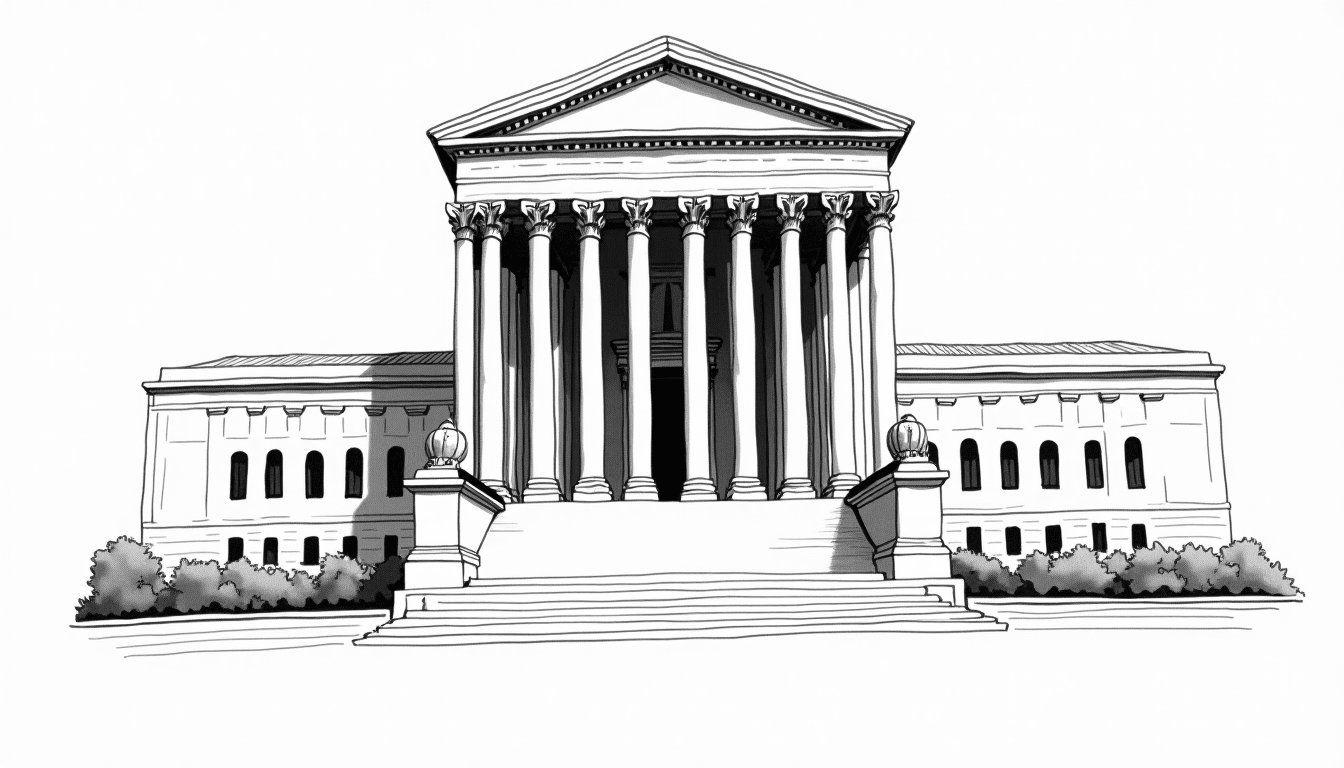
A divided 11th U.S. Circuit Court of Appeals panel ruled 2-1 that the higher education provisions of Florida’s Stop WOKE Act are unconstitutional, finding the state cannot use its role as employer to ban certain viewpoints from university classrooms. The law had barred Florida educators from promoting or endorsing ideas related to race, color, sex, and national origin that the state deemed objectionable. The 85-page ruling rejected Florida’s argument that paying a professor’s salary gave it total control over classroom speech.
Point / Counterpoint
The Ledger is neutral; these essays are not. Each side, as steel-manned as we can make it.
Point
The 11th Circuit’s ruling is a straightforward application of First Amendment principles that courts have long recognized as especially vital inside the university. The Stop WOKE Act’s higher education provisions were not a modest content guideline — they were a sweeping prohibition on entire categories of viewpoint, enforced by the coercive power of the state over its own employees. When government uses the salary relationship to dictate what ideas a professor may explore with students, it transforms the public university from a marketplace of ideas into a state-curated message board.
The Supreme Court has repeatedly affirmed that academic freedom occupies a special place in the constitutional order. In Keyishian v. Board of Regents (1967), the Court called the university ‘a marketplace of ideas’ and made clear that government loyalty oaths and speech restrictions in that setting face the highest constitutional scrutiny. Florida’s argument — that because it pays professors’ salaries it may control what they say in the classroom — would, if accepted, effectively eliminate that protection for every public university employee in the country. The 11th Circuit was right to call it a ‘breathtaking assertion of power.‘
The practical stakes are not abstract. When educators fear that discussing certain historical or sociological frameworks — even critically — could cost them their jobs, they self-censor. Students are deprived not just of discomfiting ideas but of the intellectual friction that higher education is supposed to produce. A law that forbids professors from ‘endorsing’ viewpoints relating to race or sex without defining exactly where endorsement ends and examination begins is precisely the kind of vague, chilling restriction the First Amendment was designed to prevent.
Florida’s legislature retains wide authority over its universities: it sets budgets, accredits programs, and shapes curricula through many legitimate channels. What it may not do is declare certain ideas too dangerous for adults enrolled in degree programs to encounter. The court’s ruling protects not a political agenda but a structural feature of liberal education — the idea that universities exist to pursue truth, not to ratify what the government has already decided is true.
Counterpoint
The 11th Circuit’s ruling treats a reasonable exercise of legislative authority over public institutions as though it were Soviet-style censorship, and in doing so it conflates two very different things: the robust academic freedom that should protect scholars’ research and publication, and the question of what a state may require of employees it hires to teach in publicly funded classrooms.
Public universities are creatures of the state. Florida taxpayers fund them, the legislature charters them, and elected officials are accountable to voters for what happens inside them. The Stop WOKE Act’s higher education provisions were not aimed at suppressing outside scholarship or punishing professors for what they write or say off campus. They addressed the instructional relationship — the moment when a professor stands in front of students who are, in a meaningful sense, a captive audience. Governments routinely impose content and viewpoint requirements on employees in instructional and communicative roles; a state may require its driver’s education instructors to teach safe-driving habits and not undermine them. The analogy is imperfect but the principle is not.
Moreover, the law addressed a real and documented concern: that certain ideological frameworks — rooted in the idea that individuals bear collective guilt based on immutable characteristics — were being presented in public classrooms not as contested theories but as settled fact. Whatever one thinks of those frameworks intellectually, there is a legitimate democratic interest in ensuring that state-employed instructors do not use the authority of their position to impose contested political conclusions on students who may feel social pressure to agree. The First Amendment protects individual conscience, and students have consciences too.
The dissent in this very ruling suggests the majority overreached, and that dissenting judge’s view deserves serious consideration. Courts have generally distinguished between government speech — where the state may set the message — and private speech that government regulates. A professor speaking in an official instructional capacity is, under one well-established line of precedent, engaged in something closer to government speech. The question the 11th Circuit treated as settled is genuinely contested, and Florida has strong grounds to seek further review. Voters who disagree with what is being taught in publicly funded classrooms should not be told by federal judges that they have no democratic recourse whatsoever.
Sources: WCJB TV20 · WUFT News · The Gainesville Sun