
Correction, July 29, 2026: An earlier version of this article misstated the professional backgrounds of two candidates in the Florida House District 21 primary. Malik J. Moore, not Xavier J. Monroe, served as chief of staff to state Rep. Dianne Hart, D-Tampa. Moore also worked on Yvonne Hayes Hinson's 2018 congressional campaign. An accompanying analysis incorrectly credited Monroe with being the only candidate in the field to have run a legislative office; that was Moore's record. Monroe holds a doctorate from Stanford University and is a Science and Technology Policy Fellow at the National Science Foundation. The Ledger regrets the error.
That's the key point to know before anything else. Florida primaries usually narrow a field. This one closes it. And two of the contests that close it are open to every registered voter regardless of party, which has not happened here in years.
Settled Tuesday night:
Gainesville mayor. Alachua County Commission District 2. School Board District 3. County Judge, Group 5. Florida House District 21. And Gainesville City Commission District 4, which was over in June, when Bryan Eastman drew no opponent and has been reelected to a second term.
Still alive after Tuesday: Gainesville City Commission Districts 2 and 3, and School Board District 1, all of which send their top two finishers into November unless somebody clears 50 percent outright. Everything federal and statewide is a nomination fight, not a finish.
Two forces run underneath nearly every local answer on this ballot. One is Amendment 3, the property tax measure that Florida voters decide on Nov. 3 and that Gainesville estimates would cost it $12.6 million a year. The other is the fight over who runs GRU, which the Legislature settled in June and the courts have not. Every candidate below was asked about both.
How to vote:
Election Day: Tuesday, Aug. 18. Polls open 7 a.m. to 7 p.m. Vote at your assigned precinct.
Early voting: Friday, Aug. 7 through Saturday, Aug. 15, 9 a.m. to 6 p.m. daily. Any voter may use any site. Per the Alachua County Supervisor of Elections, the eight sites are:
Supervisor of Elections Office, 515 N. Main St.
Millhopper Branch Library, 3145 NW 43rd St.
Tower Road Branch Library, 3020 SW 75th St.
J. Wayne Reitz Union, 655 Reitz Union Drive
Santa Fe College, S-029, 3000 NW 83rd St.
Alachua County Agriculture and Equestrian Center, 23100 W. Newberry Road, Newberry
Legacy Park Multipurpose Center, 15400 Peggy Road, Alachua
Hawthorne Community Center, 6700 SE 221st St., Hawthorne
Vote-by-mail: Request deadline is Aug. 6. Returned ballots must reach the Supervisor of Elections office by 7 p.m. on Aug. 18. A postmark does not count.
Closed primary, two exceptions. Florida closes its primaries, and the registration and party-change deadline passed on July 20, so the affiliation you had a month ago is the one you have Tuesday. Nonpartisan races, meaning city, school board and judicial, appear on every ballot.
The exceptions are Universal Primary Contests, which occur when every candidate for an office shares one party and nobody else qualified, not even a write-in. With no November opposition possible, state law opens the primary to everyone. The Supervisor of Elections confirms two: Alachua County Commission District 2, which appears on every ballot in the county, and Florida House District 21, which appears on every ballot inside that district.
So a registered Republican in Hawthorne will help choose a Democratic state representative Tuesday, and an independent in Jonesville will help choose a county commissioner. Both should know that before they see the ballot.
GAINESVILLE CITY COMMISSION
Four of seven seats came open this cycle. Handled well, that is a majority. Handled the way it actually went, it is one uncontested seat, one two-person mayor's race and two three-way scrambles.
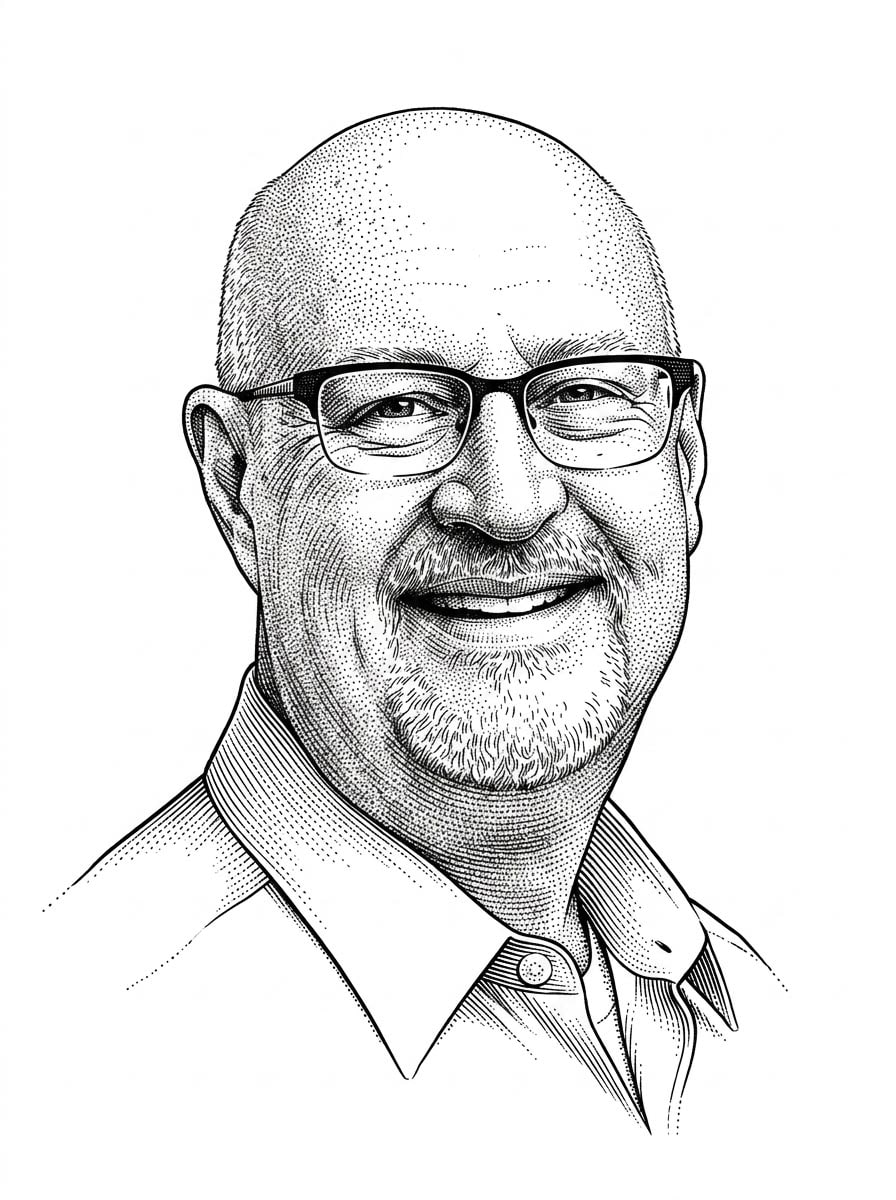
Mayor: Harvey Ward vs. Evan Moon
Ward joined the City Commission in 2017, won the mayor's office in November 2022 and took over that January. A Gainesville native, he graduated from Eastside High School, Santa Fe College and the University of Florida, and spent decades in local nonprofits, including as executive director of the Holy Trinity Episcopal Foundation and in leadership roles at WUFT. Term limits make this his last run for the job. Moon works in the deli at Walmart, previously co-managed the 2nd & Charles bookstore, and has never held office.
Four years ago this seat drew nine candidates and 21,074 primary votes, with Ward finishing first at 27.9 percent and going to a runoff against Ed Bielarski. This year it drew one challenger, and one of them will be mayor by Wednesday morning.
The case for Ward. He runs on a record and produces it on request. In Mainstreet Daily News' questionnaire, Ward cited clinics, parks, streets and more than 800 affordable homes built over four years, free RTS rides for seniors and youth, and tens of millions committed to east Gainesville with partners. The Ledger has not independently verified the 800-home figure, which the city has not published in a form that lets a resident locate the units; we are working on it. He wants another 1,000 affordable homes and another 1,000 acres conserved. He has been the most visible official in the county arguing against Amendment 3, and he has managed the GRU standoff without burning the relationship: he says he has sent the GRU Authority multiple letters at the commission's direction and gotten no reply, while keeping cordial relations with both of its chairs. He also gave the most interesting answer of the cycle on a vote he regrets, saying the commission backed a large bond issuance at the Authority's request earlier this year and that the good faith was not returned. An incumbent naming his own vote as the mistake is not a common sight.

The case for Moon. Strip away the delivery and there is a real argument in here. Moon wants 40 percent of new housing to be genuinely affordable, against the city's current inclusionary zoning floor of 10 percent. He wants a permanent fairgrounds, a live issue since the Hoggetowne Medieval Faire's move to Gainesville Raceway after three decades at the Alachua County Fairgrounds. He wants a binding master transit agreement with the University of Florida rather than the current arrangement, in which UF withdrew funding and RTS absorbed the damage. And he is the only person on this ballot pressing the mayor to show his work on the 800 homes. In a city where the working poor are the largest group with the least representation on the dais, he is the only candidate campaigning as one of them.
The read: Moon's questionnaire answers wander, digress and periodically land somewhere genuinely funny, which is not the same thing as being wrong. Ward is heavily favored and knows it. The number worth watching is his margin, because a soft win against an unfunded first-timer is the only real measure available of how the GRU fight and this year's budget have landed with the people who pay for both.
Gainesville City Commission District 2: Nathan Crabbe, Nelida Jean-Baptiste Pellot, Wyatt Zintiz
Ed Book is leaving after one term, so Northwest Gainesville gets a new commissioner. Three candidates means the smart play is finishing second, not first, and all three know it.
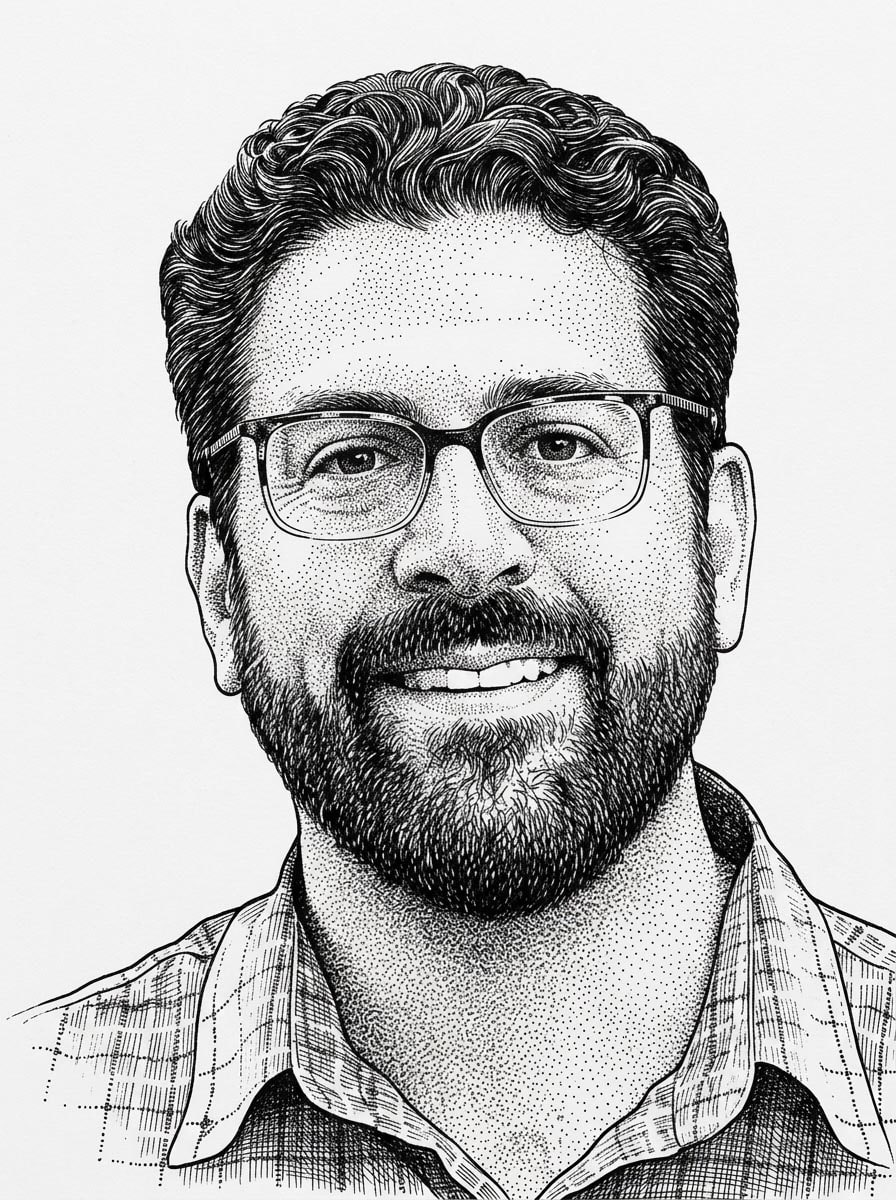
Nathan Crabbe spent more than 17 years at The Gainesville Sun, over a decade of it writing and editing opinion, and now edits The Invading Sea, an environmental site. He helped James Lawrence launch Gainesville for All and led its education team. He did a year in AmeriCorps.
His case: Environment, affordability, infrastructure, in that order. He wants energy-efficiency programs that cut utility bills and emissions at once, protected green space, and housing that is not another student high-rise: starter homes for young workers, and options that let seniors age in place.
The vote he names as wrong is the commission's decision to kill residential composting, a pilot that covered 681 homes and diverted 52 tons of food waste from the landfill in fiscal 2025 alone. He argues the commission should have found a fee structure rather than ending it. On GRU, he goes furthest of the three: he wants the Authority replaced by a board of local residents, and in the meantime a transparent, predictable formula for how much utility revenue flows to the city budget, modeled on what investor-owned utilities pay the communities they serve. He also puts a number on the current dysfunction, saying the Authority's move to pull garbage and stormwater charges off GRU bills costs the utility and city around $1 million a year.
The knock: He has never held office, and his answer to nearly every problem routes through more process. A commission that already moves slowly may not need another deliberator.
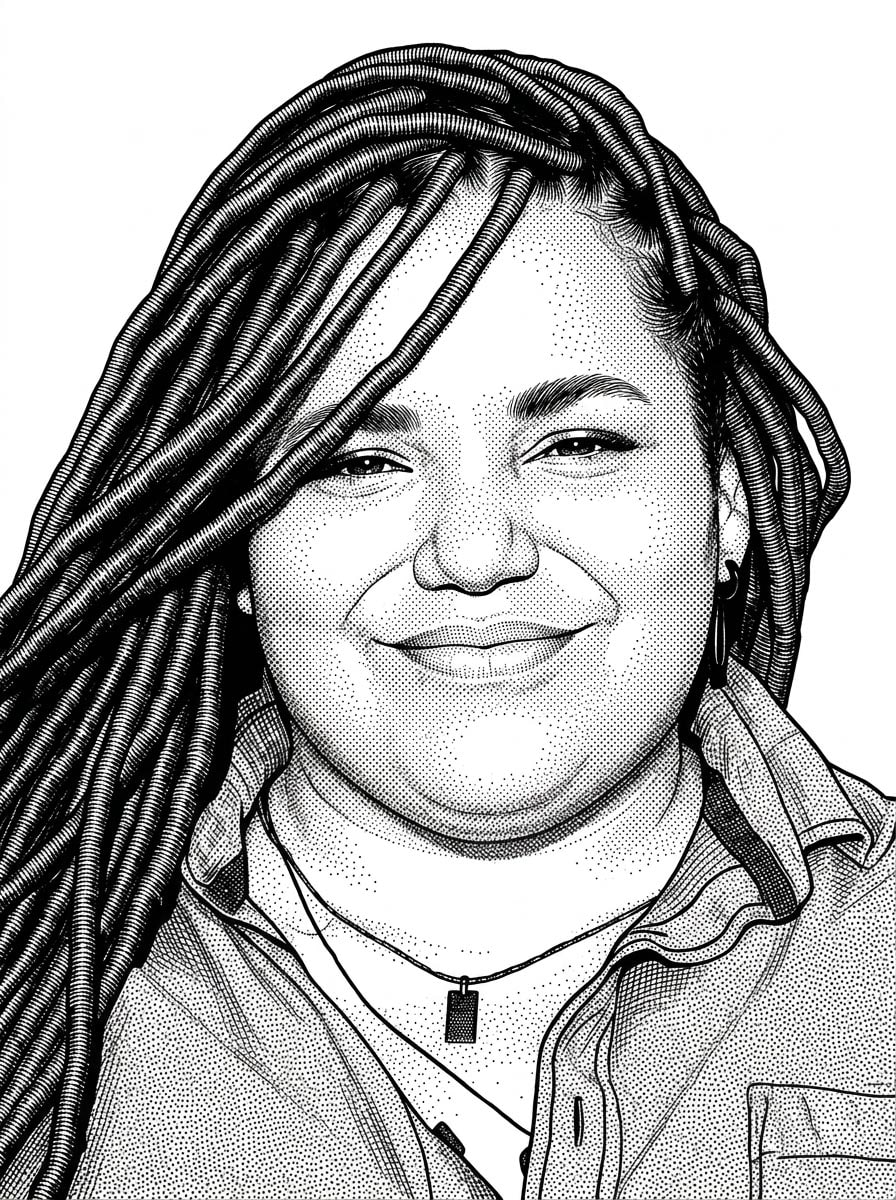
Nelida Jean-Baptiste Pellot is a housing inspector at the Gainesville Housing Authority, a director at the Pride Community Center of North Central Florida and, by their own job title, chaos coordinator at Theatre Connect. They came to Gainesville from South Florida after a fire destroyed their home.
Their case: They are the only candidate in this race who inspects the housing everyone else is talking about. Their platform runs to affordable housing, neighborhood infrastructure, transparency, climate resilience, safer streets, gun violence reduction and economic mobility. Asked to name a vote they disagreed with, they declined to pick one and argued the real problem is sequence: residents get informed after decisions are shaped rather than while they are being made. On housing they want zoning that adds supply while protecting neighborhood stability and keeping student housing from inflating property values. On GRU they are the most cautious of the three, saying they would support litigation only after a public review showed it protected the city's authority or finances, and never as a political statement. They describe themselves as a Black, bilingual, first-generation American, LGBTQ+ grassroots candidate, and say the point is showing up after Election Day.
The knock: Caution reads as vagueness. On the biggest live question in city government, wanting more facts before deciding is a defensible position and also the one that commits to nothing.
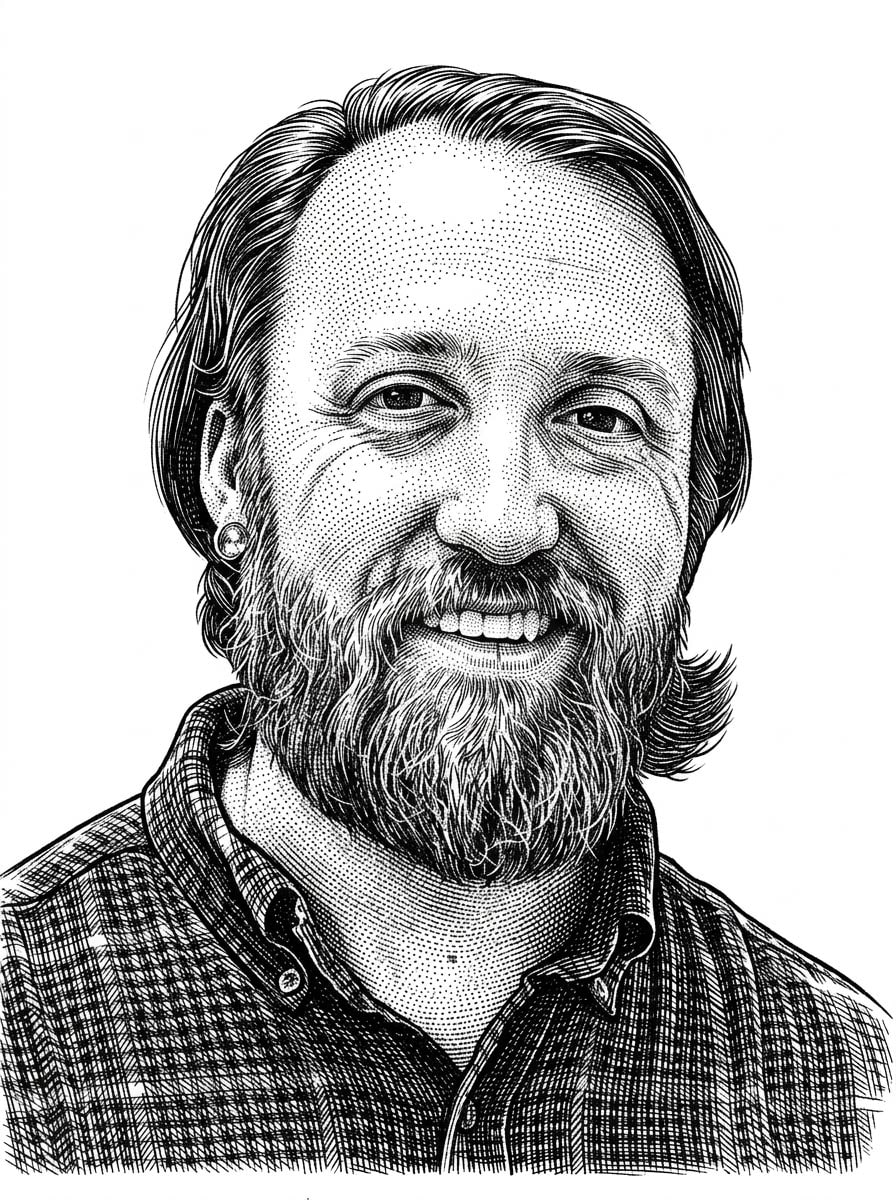
Wyatt Zintiz is a full-time stay-at-home father of two who runs an all-electric landscaping business. He served in the Marine Corps as an infantry rifleman and later rifle team leader, including two combat deployments during Operation Iraqi Freedom, then worked for Gainesville Public Works, rising to Labor Crew Leader II before stepping down after his wife suffered life-threatening complications delivering their second child. He grew up in Northwest Gainesville and holds a political science degree by way of Santa Fe College and the University of Central Florida.
His case: He is the only candidate who has done city work with his hands, and he pitches himself as the person standing at the gap between the people who make plans and the people who execute them. He is running explicitly against culture-war posturing at City Hall and promises nonpartisanship as a working method rather than a slogan. His named disagreement is the sharpest specific in either city race: the Downtown Ambassador Program, a $3.1 million contract with a for-profit company based in Louisville, Kentucky, doing work he says the police, fire and public works departments already do. He says he would move to end it on day one. On Amendment 3 he says he voted for city control of GRU but accepts that the state has won for now and wants the fight to stop; if the $12.6 million hit lands, he would cut charter officer and executive salaries first, which he says have grown while worker pay has not.
The knock: Ending one out-of-state contract does not close a $12.6 million gap, and "trim executive salaries" is the easiest applause line in municipal politics precisely because the math rarely works. He also has no experience setting policy, only carrying it out.
How to read it. Crabbe is the institutional-knowledge candidate, Pellot the lived-experience candidate, Zintiz the operations candidate. All three are new to elected office, which is itself the story: the district's outgoing commissioner served one term and left, and nobody with a record came forward to replace him. Read all three at length here.
Gainesville City Commission District 3: Casey Willits, DeJeon Cain, James Gardner
A rematch with a new third opponent in it. Willits has held the southwest Gainesville seat since 2022, when he beat Cain by roughly 200 votes. Cain is back. Gardner is new to the ballot and did not answer Mainstreet's questionnaire.
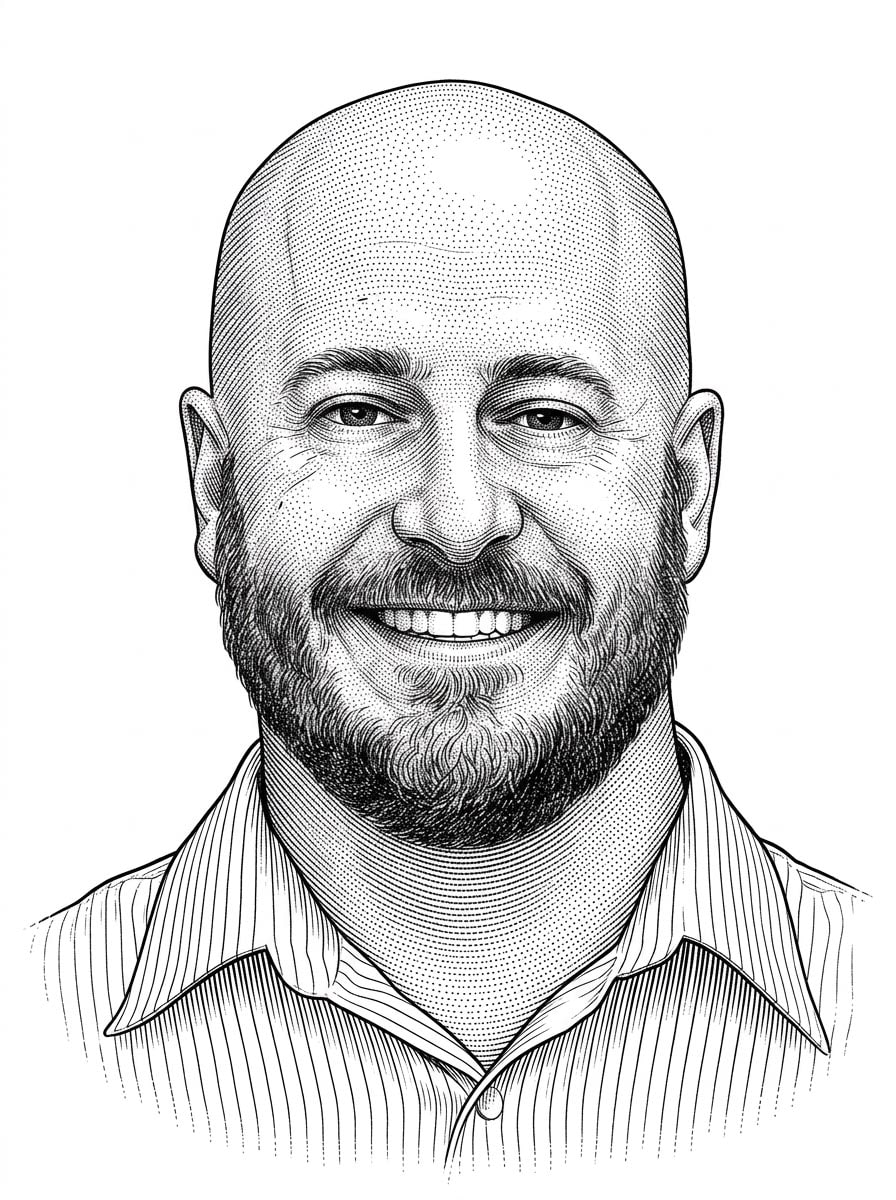
Casey Willits is a fiscal assistant in UF's College of Medicine, elected in November 2022. He worked as a civil rights advocate with groups including Equality Florida and on the 2008 and 2012 presidential campaigns in Florida, held leadership roles in the Alachua County Democratic Party and Stonewall Democrats of Alachua County, and served on the steering committee of United Campus Workers of UF.
His case: He is running on three things he can point at. The commission has funded or supported more than 800 affordable housing units, reversed many of UF's cuts to RTS, and identified land for a park in southwest Gainesville that he wants to finish. His named disagreement is with his own board: he fought to require affordable set-asides in developments of 10 units or more, and lost when the threshold landed at 50. In a built-out city, he argues, infill is the only remaining leverage over developers, and the commission gave most of it away. On GRU he is the most confrontational candidate in either city race, promising to lobby Tallahassee to reverse HB 1451, call out the Authority when it acts against community values, and pursue whatever legal options the city attorney offers.
The knock: Four years in, the affordability problem is worse, and the set-aside fight he lost was one he was in the room for. Gardner, in comments posted under his name on Mainstreet's site, accuses Willits of participating in the loss of Robbinswood, an existing affordable neighborhood near Butler Plaza, and questions whether the identified park parcel is usable. The Ledger has not independently verified those claims, and Gardner has not made them in a candidate questionnaire, but they are the sharpest attack circulating in this race.
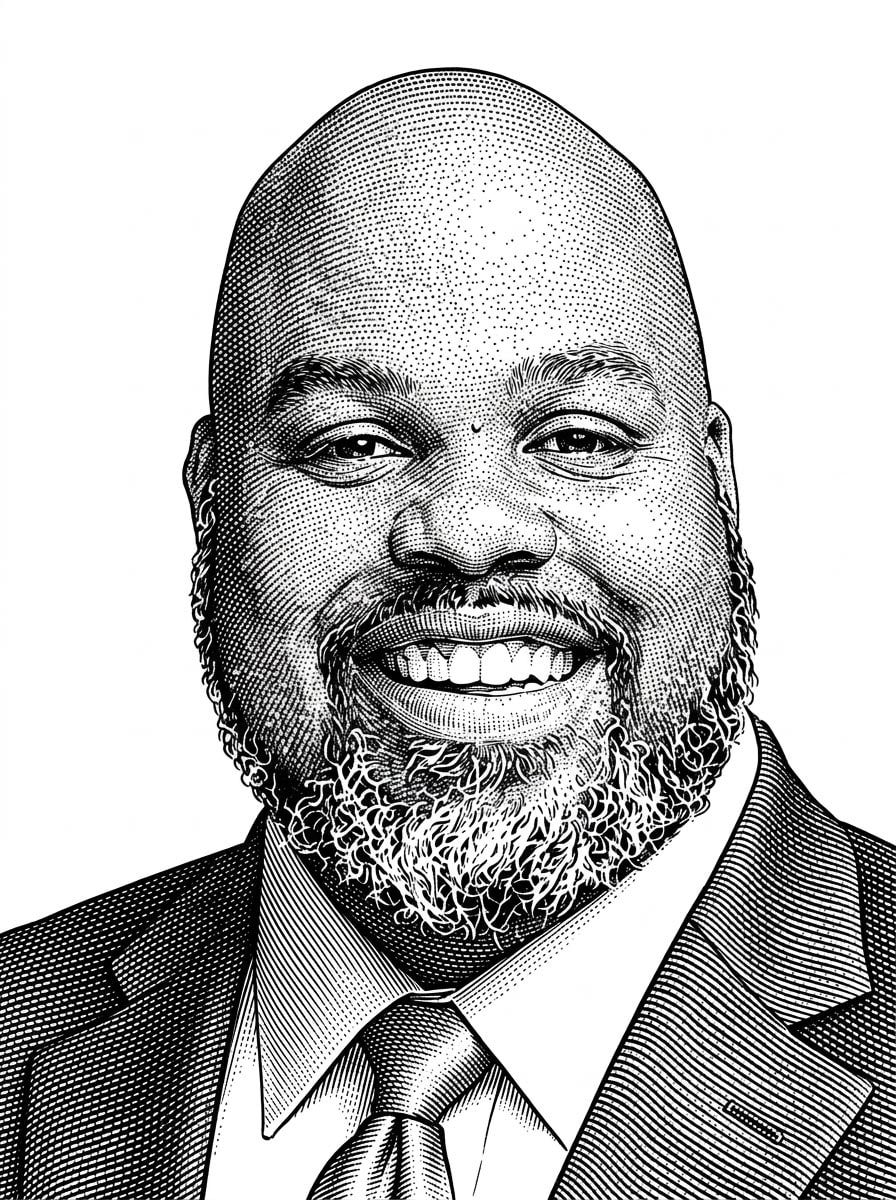
DeJeon Cain owns and operates Fortitude Security, a Gainesville company he founded. He has a long record on citizen boards: chair of the Alachua County Affordable Housing Advisory Committee, the Gainesville Human Rights Board, the city's Development Review Board, the Citizens Advisory Committee for Community Development, the Black on Black Crime Task Force and the Gainesville Police Explorer program.
His case: It is the most specific set of answers any city candidate gave. He wants the one-stop permitting shop the city promised in 2016 and never built. He wants density on transit corridors, commercial centers and infill sites rather than dropped on every street by right. And he brings receipts on the budget: the commission raised the millage rate to 6.7297 mills in September, about 12 percent above the rolled-back rate and roughly $9.4 million more in property taxes, up from 4.7474 mills in 2018. In June it voted unanimously to shift garbage and stormwater fees off the utility bill and onto the annual property tax bill, with rates up about 8.7 percent per unit and liens now possible for nonpayment. His summary of the GRU standoff is the line the whole race turns on: a family's bill goes up and their leverage goes down every time two boards cannot agree. On Amendment 3 he says plan as though it passes, publish both scenarios, protect public safety first and stop treating one-time reserves as a plan.
The knock: He has never held elected office, and the seat he is running for is the one he lost in 2022. His record is deep but it is advisory: the boards he has chaired recommend, and the commission decides. Several of the roles he leads with are county rather than city. Willits has spent four years casting the votes Cain is running to reverse, which is an advantage no amount of board service substitutes for.
James Gardner is a former U.S. Coast Guard member who went on to Military Sealift Command in the Department of the Navy and worked with at-risk youth as captain of the Gainesville/Ocala Marine Institute. He attended Santa Fe College.
His case: Gardner is the only candidate in this race running flatly against the southwest Gainesville growth model rather than proposing to manage it. He has argued publicly and under his own name that the city presided over the loss of Robbinswood, an existing affordable neighborhood near Butler Plaza, and that development pressure is now moving toward the Ricelands area between Archer Road and Williston Road west of I-75.
The knock: He did not answer Mainstreet's questionnaire and has published no platform the Ledger could locate. A candidate who skips the one forum where every rival is answering identical questions is asking voters to take the rest on faith. He has also not showed up at local candidate forums.
Already decided: District 4
Bryan Eastman drew no opponent, will not appear on any ballot and has a second term. He is also the reason Districts 2 and 3 matter more than their turnout will suggest.
Eastman was elected in November 2022. He is a UCF graduate, born in Tallahassee, who worked in workforce development as statewide program manager of Startup Quest and served as vice chair of the Alachua County Coalition for the Homeless and Hungry. Since taking office he has been, in Mainstreet's words, the commissioner who "spearheaded the housing discussions," pushing for more flexibility for developers and more starter homes.
The record is specific. In November 2023 he took his own proposal to cut minimum lot sizes across the city's single-family zoning directly to residents at Albert "Ray" Massey Park. In January 2024 the commission voted 4 to 3 to move those lot-size amendments forward, with Eastman, Reina Saco, Casey Willits and Mayor Harvey Ward in support. In July 2024 a fuller version of the same package passed on the same 4 to 3 split, same four names. Eastman had earlier argued against the current commission's 4 to 3 repeal of the previous commission's housing ordinances, saying the repeal threw out the good with the bad. And when the commission voted 4 to 3 to reinstate exclusionary zoning citywide, Eastman, Willits and Saco were the three votes against.
The bloc is smaller than it was. Saco left the commission in January 2025, replaced at-large by James Ingle. Eastman's dependable partner on the current dais is Willits. Ed Book, the most consistent vote against the housing package and the lone dissenter on inclusionary zoning in January 2024, is the commissioner leaving now.
That is the whole game on Tuesday. Two of the seven seats are in play, Eastman holds a third for four more years, and the two in play sit on opposite sides of the same question.
District 2 is Book's seat. Gainesville is for People, the local chapter of YIMBY Action, endorsed Crabbe for it after a July 13 forum, which suggests one thing. What Crabbe actually says suggests something more particular: he wants transit-oriented development districts along high-frequency RTS routes, housing "beyond the student-oriented high-rises," starter homes, and protected green space inside neighborhoods. That is density aimed at corridors, which is not the same proposition as reducing minimum lot sizes across every single-family zone in the city. Where he lands when those two ideas conflict is the thing to ask him before Tuesday.
District 3 is Willits' seat, and Gainesville is for People endorsed him too. Cain is the candidate in either city race who has drawn the sharpest line against the citywide approach, arguing density belongs on transit corridors, in commercial centers and on infill sites, "not dropped on every street by right." That is a direct answer to the lot-size reform Eastman built.
So the arithmetic is live and nobody should pretend to know the answer. A Cain win removes Eastman's steadiest partner from the dais and replaces him with the candidate who has drawn the sharpest line against by-right citywide density. What District 2 does is genuinely open: Crabbe carries the YIMBY endorsement but describes a corridor-first approach that sounds closer to Cain than to a citywide lot-size rewrite. Zintiz wants the culture-war posturing to stop and Pellot wants residents consulted before decisions harden, and neither has said plainly where they would put the housing.
Which is the useful question for all five of them, and the one no forum has forced yet. Not whether Gainesville needs more housing, since every candidate says yes. Where it goes.
One caution against reading Willits as an extension of Eastman. They diverge, and the biggest housing vote of the term is where. In September 2024 the commission finalized inclusionary zoning at the 50-unit threshold rather than 10, on a 5 to 2 vote on Cynthia Chestnut's motion. Eastman voted yes and said he looked forward to reviewing the policy in a year and expanding it. Willits and Saco were the two no votes. "Relishing in a half measure isn't good enough for me," Willits said. "I don't think we did as well as we could, as well as we should. I think that we will regret it." Willits broke with Eastman by going further, not less far. That is the vote he now names as his own biggest disagreement with his commission.
The city races, taken together. One reading: this is a commission that has spent four years as a defendant, with the state rewriting its charter and its budget from Tallahassee, and continuity has real value when you are the one being sued. The other: four seats came open, one drew nobody at all, the mayor's race drew a Walmart deli worker, and District 2 produced three candidates who have never held office. That is not a satisfied electorate. It is a tired one. Either way, the person with the clearest agenda on this commission just won four more years without printing a yard sign, and the two races that decide whether he can pass it are the ones almost nobody will turn out for.
ALACHUA COUNTY COMMISSION
Alachua County Commission District 2: the universal primary
On every ballot in the county, open to every voter, and over Tuesday night.
Marihelen Wheeler is not seeking re-election. Seven people filed, four qualified, all Democrats, which is what opens this contest to the whole county.
Donna Bradbrook, a division and project manager for the county with 20 years inside county government. Wheeler stepped off the canvassing board specifically to endorse her.
Tina Certain, a certified management accountant, eight-year School Board member and 23-year GRU accountant, giving up her school board seat to run.
Charlie Ray Jackson, county facilities manager and director from 2001 to 2022, who says he delivered more than 300 capital projects worth over $140 million.
Byran Williams, pastor at Mount Carmel United Methodist Church in High Springs for 28 years and the city's former mayor, vice mayor and commissioner.
From Mainstreet's questionnaire:
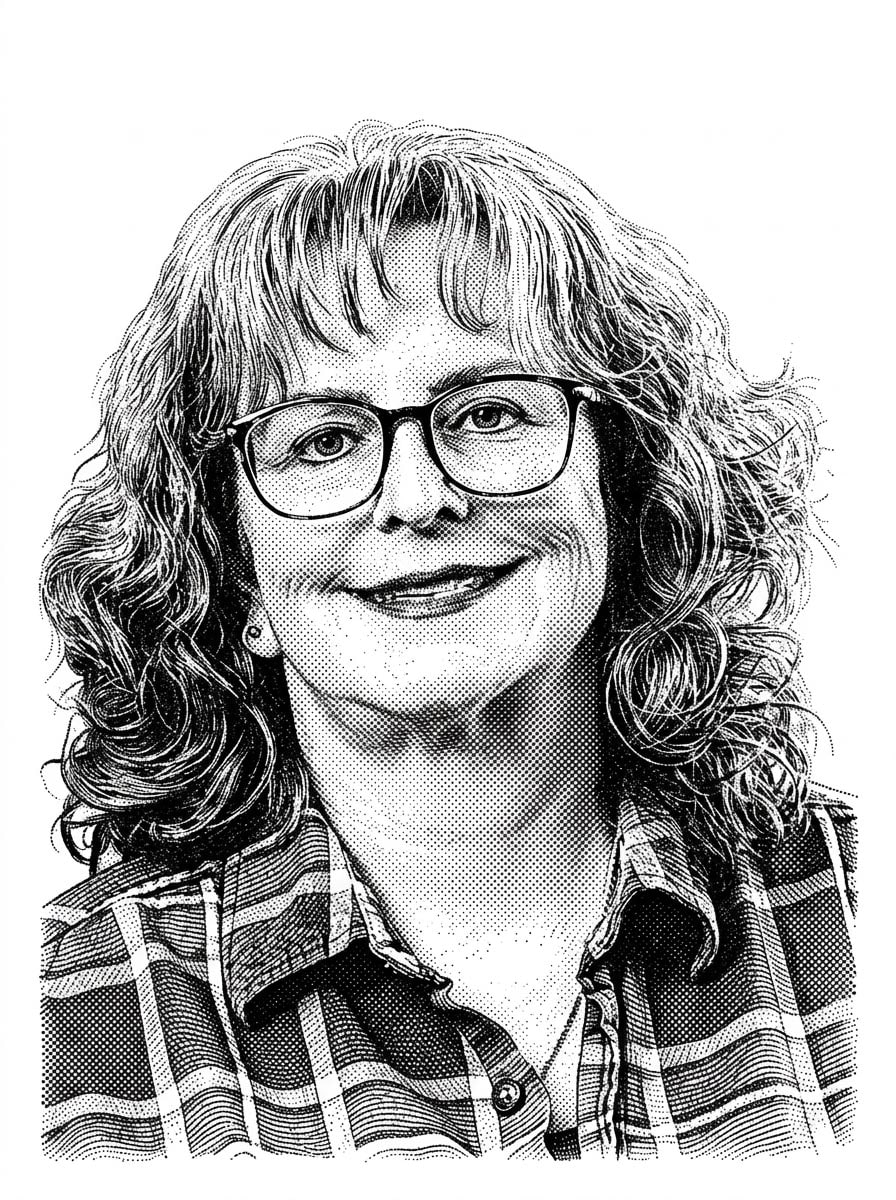
Bradbrook argues the seat needs someone who already knows where the money is and which state mandates are actually binding. She declined to name a commission vote she disagreed with, on the grounds that a sitting county employee should not second-guess the board publicly. Read that as admirable discipline or as a preview of a commissioner who will not make waves.
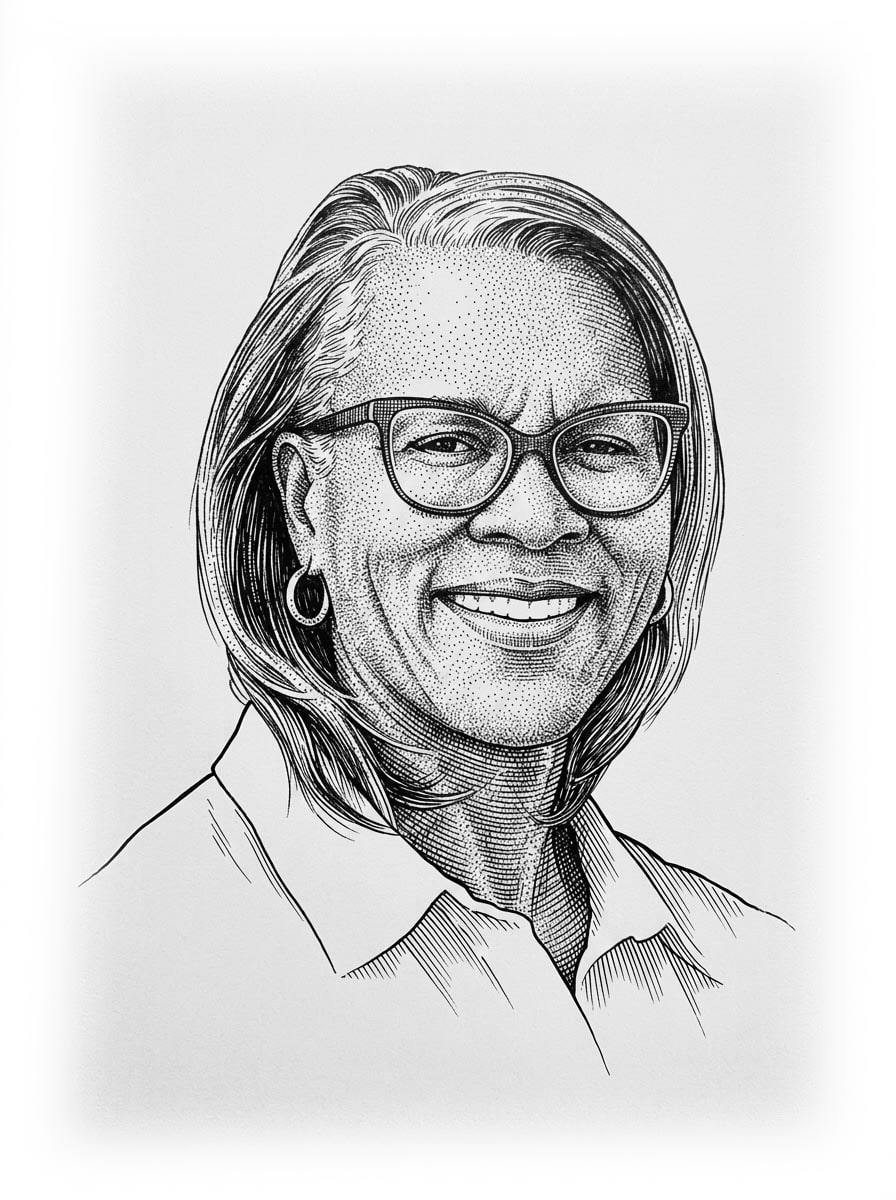
Certain argues that budgets reflect values and that the county has approved development before confirming the infrastructure to carry it. Her pitch is discipline learned from a board that had to staff, bus and heat everything it built.
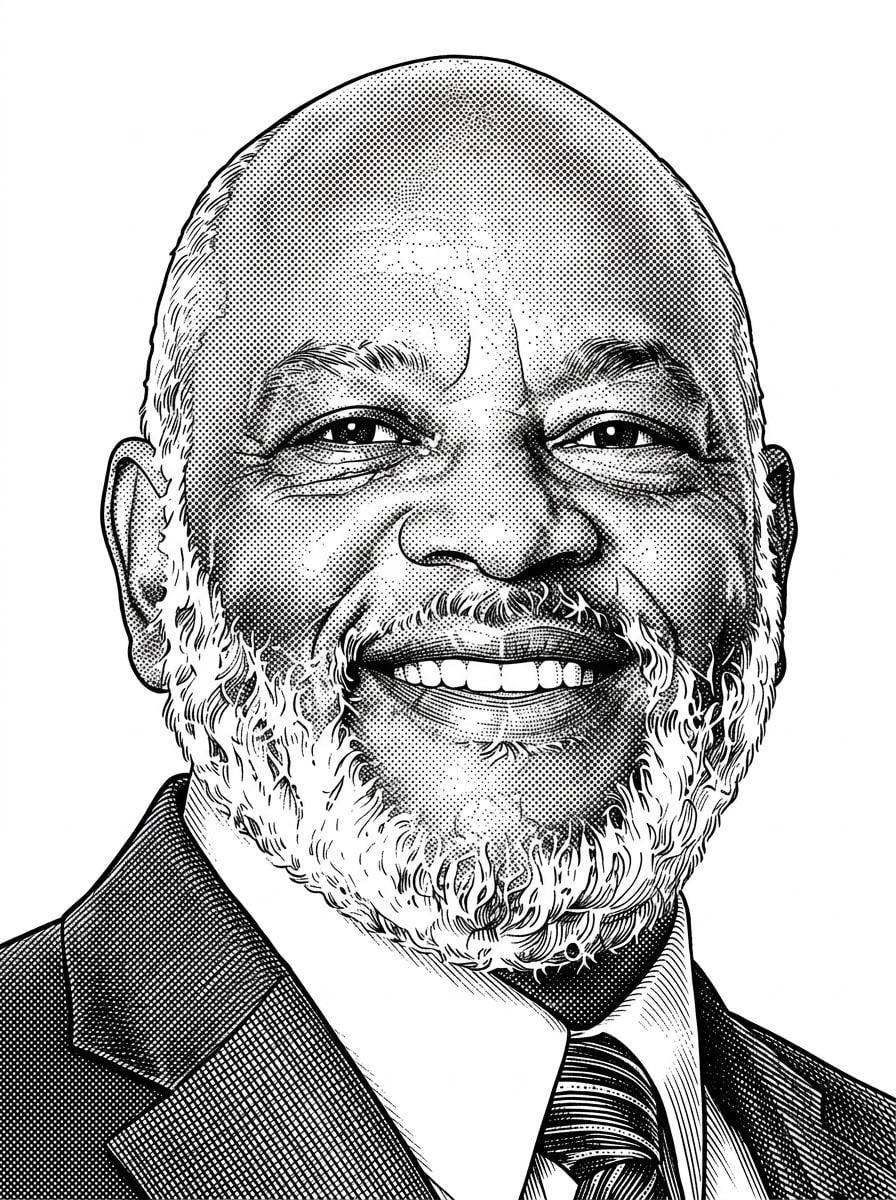
Jackson was the only one of the four to name a specific disagreement and take the locally unpopular side of it. He objected to the commission delaying action in May on the Gainesville/Alachua Immigrant Safety and Inclusion Blueprint, saying immigration law should be enforced consistently at every level. In a four-way Democratic primary in Alachua County, that position costs votes, which is usually a sign someone means it.
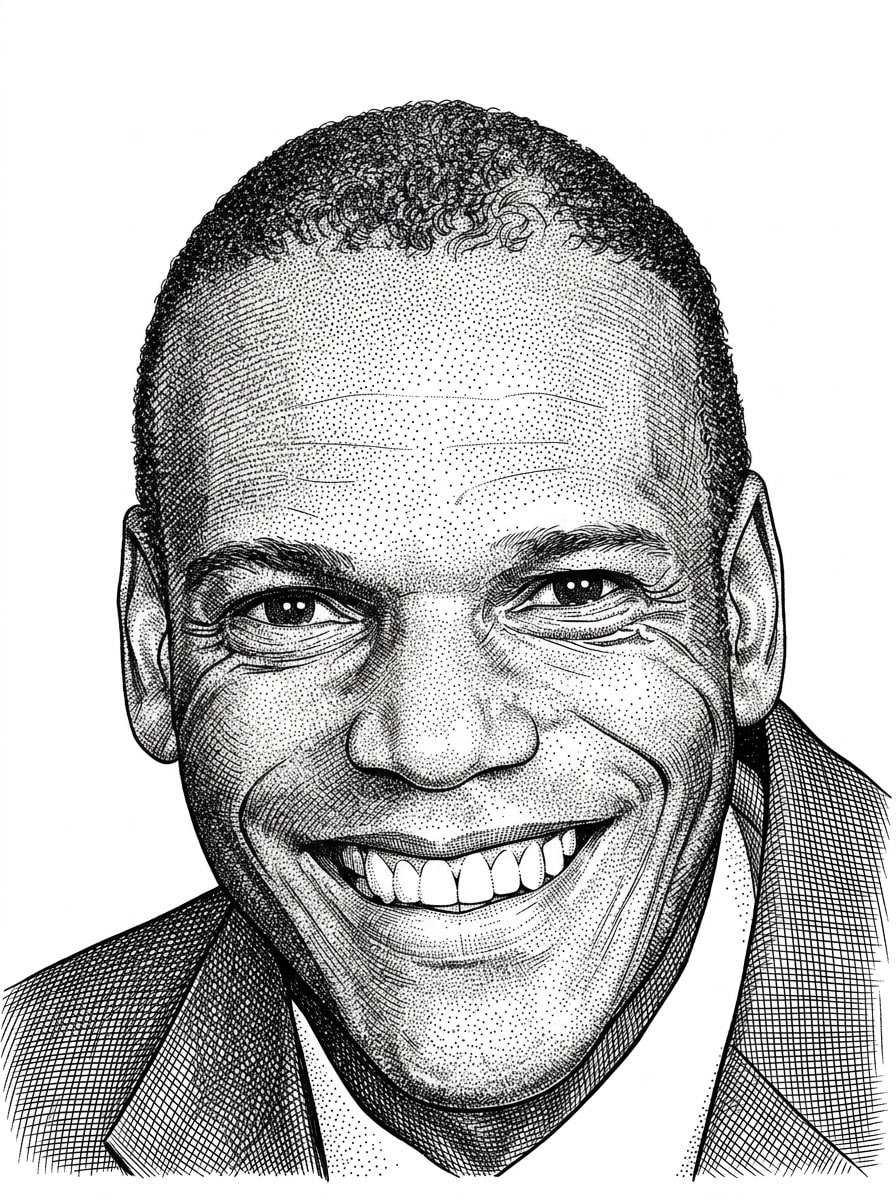
Williams runs on 20 years of actually holding local office and gives the most concrete Amendment 3 answer of the four: joint town halls with every municipality in the county, a public tax calculator, and worked examples at $200,000, $300,000, $400,000 and $600,000 of assessed value so people can see their own number.
How to read it. The insider argument is that the county is about to absorb a revenue shock and this is the wrong year for on-the-job training. The outsider argument is that this commission approved the growth pattern everyone is now campaigning against, and promoting from inside the building is how you get more of it. Bradbrook and Certain answer the first. Jackson and Williams answer the second.
Alachua County Commission District 4
Democrat Ken Cornell faces Dewayne Baines, who has no party affiliation. That one waits for November.
SCHOOL BOARD OF ALACHUA COUNTY
All three races are nonpartisan and appear on every ballot in the district.
Alachua County Commission District 5
Jancie Vinson, a retired correctional probation specialist, qualified unopposed after two other candidates did not. Her name will not appear anywhere. She ran unsuccessfully in 2010 and 2014. The district covers southernmost Gainesville and Micanopy.
Alachua County Commission District 3: Sarah Rockwell vs. Gregory E. Pelham Sr.
Head to head, so one of them is a school board member by Wednesday.
Rockwell is a special education teacher and administrator with more than 20 years in the field. She took office in 2022, when the district had seven D and F schools. Pelham, 69, has spent more than 13 years as a case manager for the Alachua County Sheriff's Office's Teen Court diversion program and 27 years in ministry. His slogan is "less politics, more progress."
The case for Rockwell: She has a record on academic achievement, which is the metric school boards are actually graded on, and she is in the middle of a permanent superintendent search that will outlast this term. She runs on achievement, operations and fiscal responsibility, and she has the resources to finish: $19,610 raised to Pelham's $7,200.
The case for Pelham: In July 2025, after Hulk Hogan's death, Rockwell posted on Facebook: "Oh, did Hulk die? I didn't even know. Good. One less MAGA in the world." It drew national attention. Pelham's campaign is built on the argument that someone representing every family in a district should not publicly celebrate the death of people who vote differently, and that this board's temperament has become the problem. He has spent 13 years in a program built on giving teenagers a second chance, which is a credential that speaks directly to the point he is making.
Alachua County Commission District 1: Gabriel Lopez, Hunter Miller, Janine Plavac
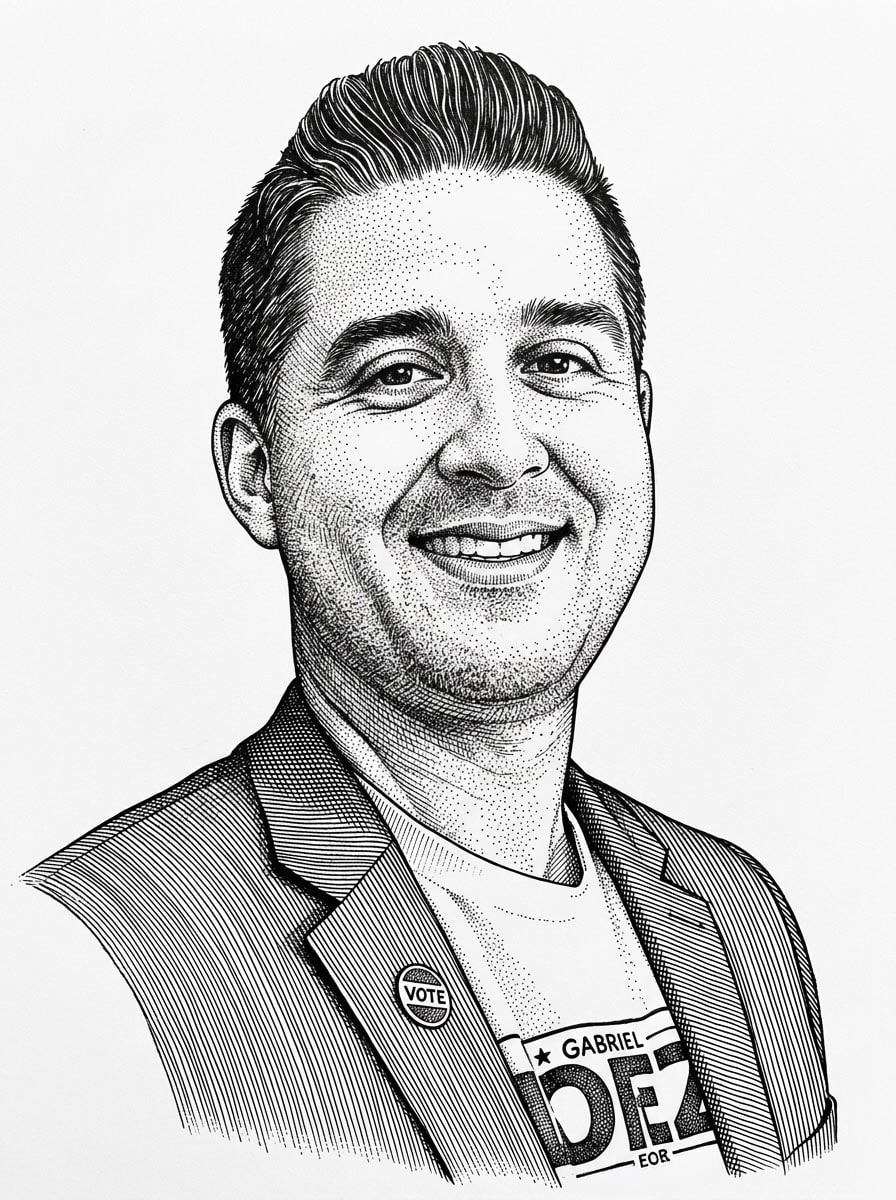
Certain's seat is open, and this is the one school board race that can survive into November.
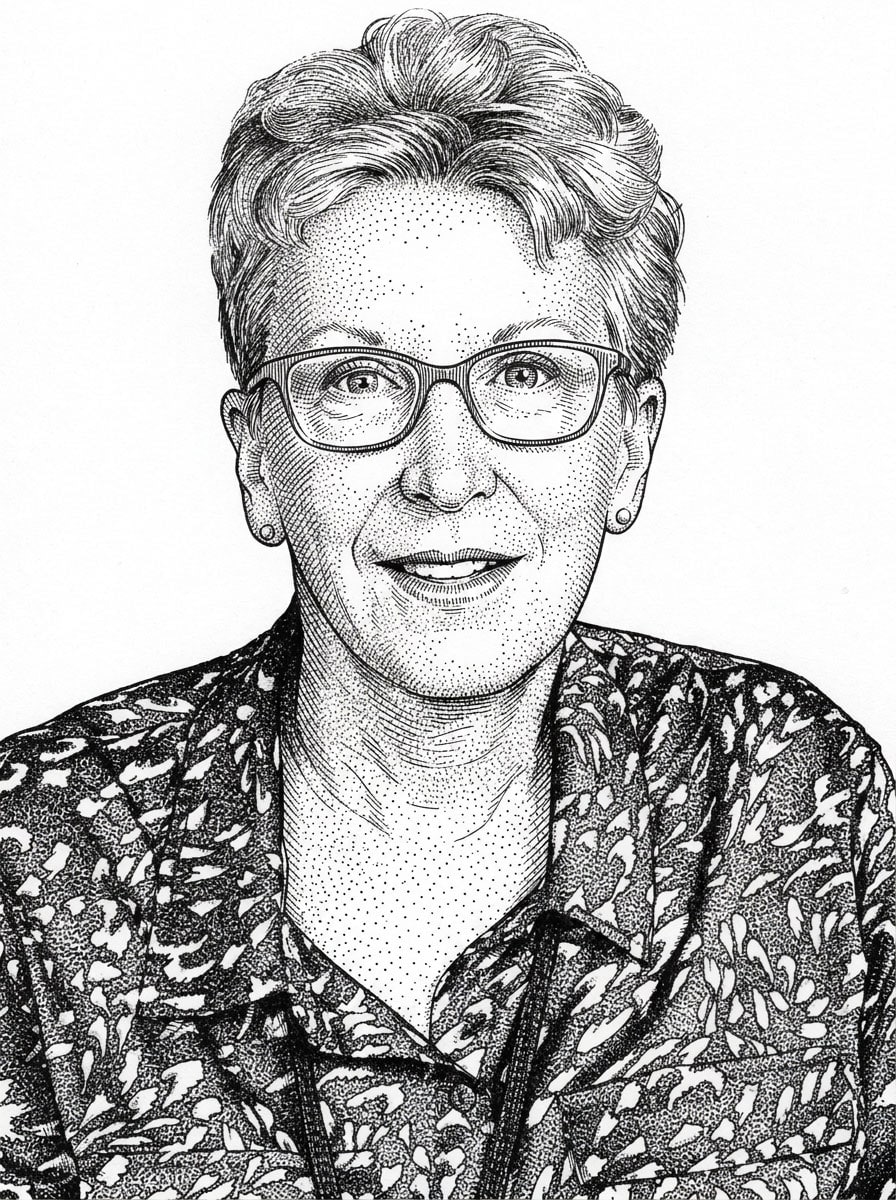
Plavac is the sitting District 5 board member, appointed by DeSantis in April 2025 to finish Kay Abbitt's term. She lives in District 1 and is running there because Florida law requires board members to live in the district they represent. She spent 16 years directing Gainesville High School's Academy of Health Professions, was Alachua County Teacher of the Year in 2008, and now directs the Health Sciences Institute at St. Francis Catholic Academy. Lopez is a UF graduate running on budget discipline, teacher pay and behavioral support. Miller teaches at Bishop Middle School.
Money is thin all around: Plavac $4,960, mostly self-funded; Miller $4,057; Lopez $2,540. The district covers a large rural stretch of north and west Alachua County, including Newberry, High Springs, LaCrosse, Alachua and Waldo.
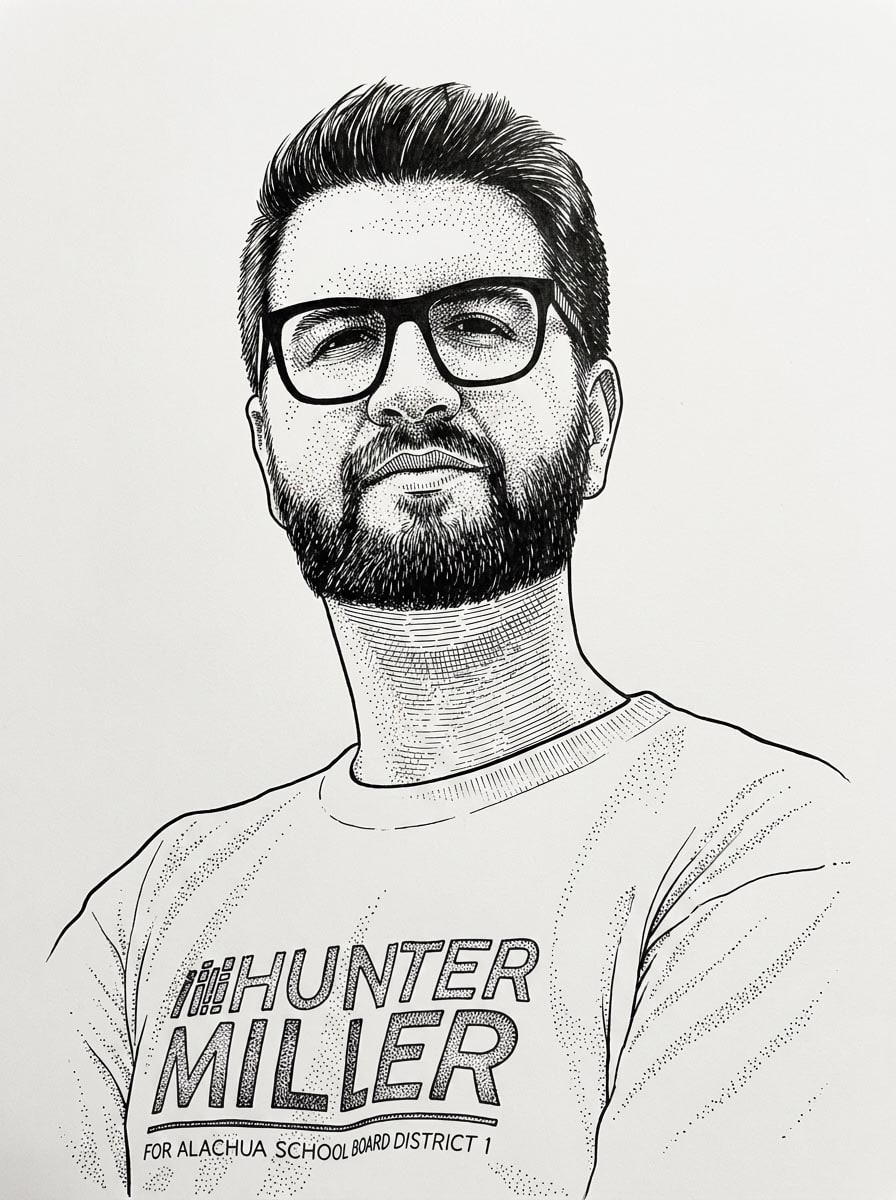
Three ways to see it. Plavac argues she has spent 18 months demanding accountability from district staff and that a board needs someone who has worked in both public and private classrooms. Lopez argues, directly, that he is not part of the group that has run things here for years, which is a pointed thing to say to a member appointed by the governor and seeking voter approval after the fact. Miller argues the narrowest and possibly most useful case: he is the only candidate currently teaching in an Alachua County public school.
Coverage: The Alligator's rundown, WCJB on the Democratic Party forum, and Mainstreet's District 1 questionnaire.
ALACHUA COUNTY JUDGE, GROUP 5: Eric Atria vs. AuBroncee Starlin Martin
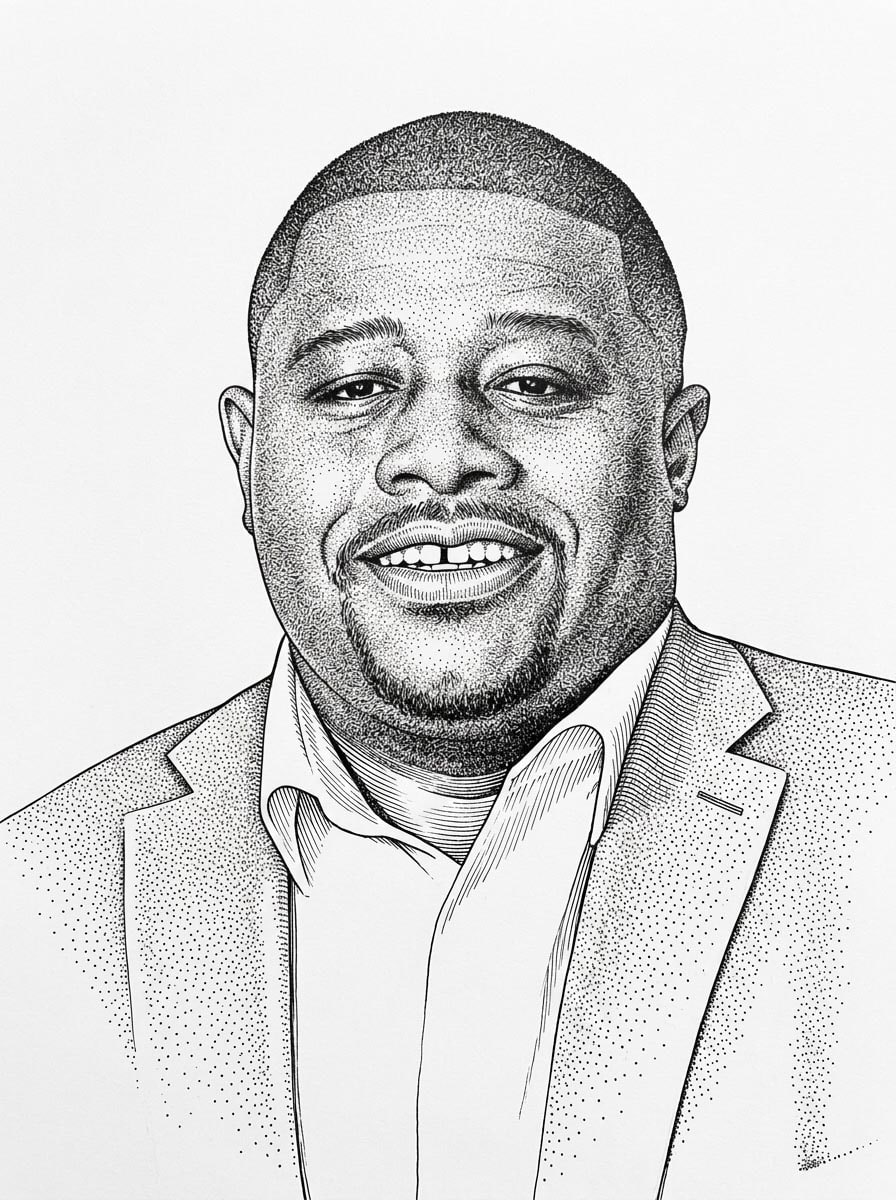
Nonpartisan, countywide, six-year term, and finished Tuesday.
This is the race nobody researches and one of the few on the ballot that touches thousands of residents directly. County judges handle misdemeanors, criminal traffic, municipal ordinance violations, landlord-tenant cases, small claims up to $8,000 and civil disputes up to $50,000. If you are evicted in Alachua County, this is your judge.
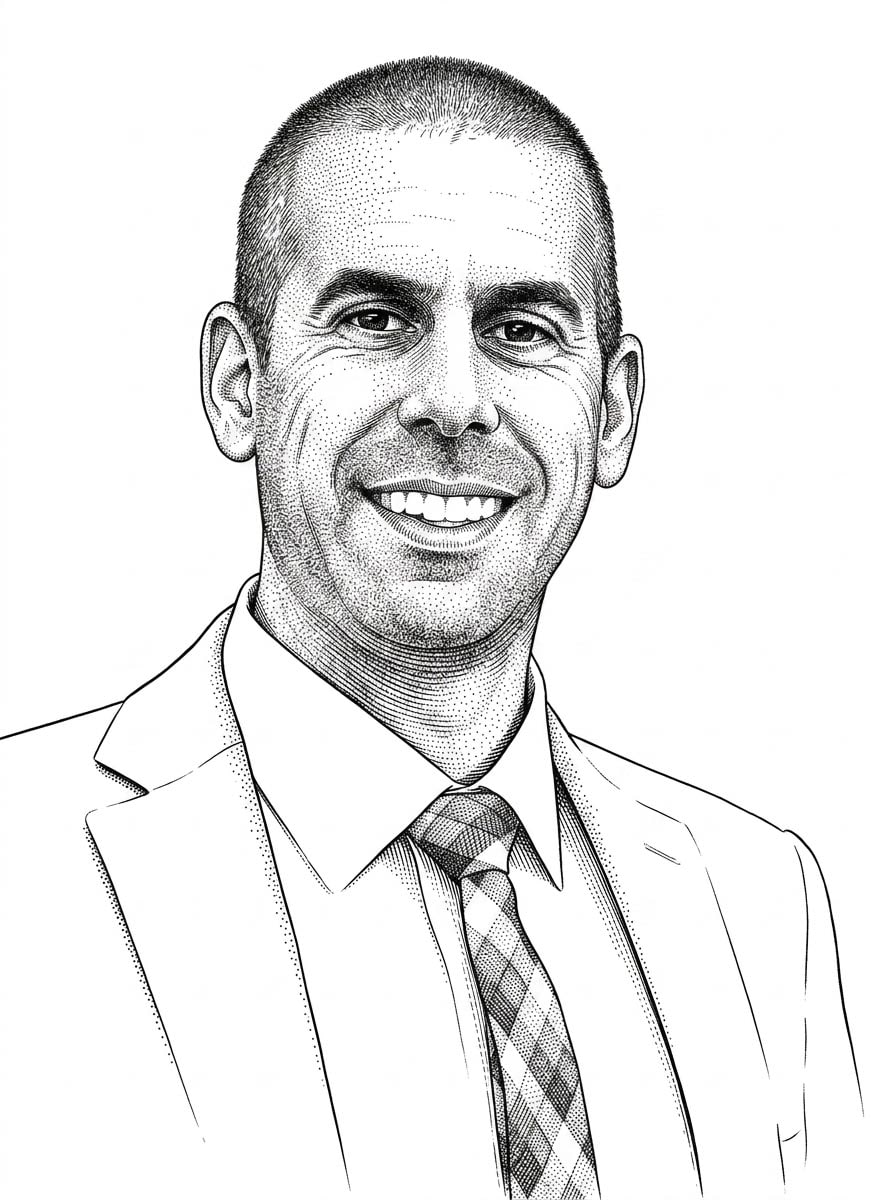
Atria is a 23-year county resident and UF Law graduate who has spent 20 years in public defense and won the 2025 Florida Bar President's Pro Bono Award. Martin has 27 years of legal experience, has tried more than 100 jury trials from minor offenses to first-degree murder, served as Felony Division Chief and taught the academic component of the criminal clinic as an adjunct at UF's Levin College of Law.
Two ways to see it. Both come from the defense and trial side, which is notable on a bench often filled from prosecution, and there is no obvious ideological daylight between them. Atria's case is two decades of depth in one lane plus a demonstrated record of unpaid work for people who could not pay. Martin's case is breadth, supervisory experience and having taught the next class of lawyers how the room actually works. Read both campaign sites, which is more than most voters in a judicial race will do.
FLORIDA STATE RACES
Florida House District 21: the other universal primary
Southeast Alachua County and northwest Marion County, including Hawthorne, Micanopy and eastern Gainesville. Every registered voter in the district can vote in it, and it ends Tuesday.
Rep. Yvonne Hayes Hinson announced in September that she would not seek a final term. She has been the only Democrat on the Alachua County Legislative Delegation since 2020. Five Democrats qualified. No Republican did.
Sylvain Doré
Antione Fields, of Ocala, running as a progressive on affordability
Xavier J. Monroe, of Gainesville, an Eastside High School graduate with a doctorate from Stanford, now a Science and Technology Policy Fellow at the National Science Foundation, former president of the Alachua County NAACP Youth Council and a former Alachua County Library District trustee. He is the only candidate in the race who qualified by petition rather than paying the filing fee.
Malik J. Moore, of Gainesville, chief of staff to Rep. Dianne Hart, D-Tampa, and a legislative aide in her office. He worked on Hinson's 2018 congressional campaign and was North Florida political director for Charlie Crist's 2022 run for governor. He now manages community and public affairs for Cox Communications. Endorsed by Hinson.
Jacquelyn "Jackie" Randall, mayor of Hawthorne, first elected to that commission in 2019.
Where they agree. All of them opposed the GRU preemption. Fields' version, from Mainstreet's session questionnaire, is representative and worth the space: a party that campaigns on small government and local control abandoned both the moment Gainesville voted the wrong way, and GRU is a public utility in a state otherwise dominated by investor-owned monopolies.
That is not an abstraction for this seat. Hinson filed the floor amendment to strip the preemption out of HB 1451 and lost. Whoever wins Tuesday inherits that fight.
How to read it. The continuity case: Hinson held this seat alone and endorsed Moore, who has run a member's office as chief of staff and knows the delegation and the file. The change case: holding it alone is the record, and Randall is the only candidate who has actually run a municipality, while Monroe brings a research doctorate and federal science policy experience that nobody else in the field can match. In a seat whose occupant will sit in a superminority and lose nearly every vote, the real question is what you want the seat for. To legislate, to represent, or to make enough noise that Tallahassee has to answer.
The Alligator covered the July 2 forum at the Cotton Club Museum & Cultural Center.
Florida House District 10: contested Republican primary
Northern Alachua County votes here, along with Baker, Bradford, Columbia and Union counties. Rep. Chuck Brannan is term-limited after eight years.
Chase Brannan, a Baker County real estate business owner and the incumbent's son, who has worked with DeSantis and former CFO Jimmy Patronis
Marshall Rawson, a Bradford County farmer who runs Free State Growers, a 2022 UF Levin College of Law graduate and former legal aide to Secretary of State Cord Byrd
Through June 26, Brannan had raised $178,000 to Rawson's $124,000, with much of Brannan's edge from political committees tied to homebuilders, real estate, medical associations and the Florida Police Benevolent Association. Rawson leans on individual donors.
Two ways to see it. Brannan has 42 public endorsements across all five counties and a family name that took 74 percent in 2024. Rawson has the sharper line on the issue that will define the seat, telling WCJB that local development is out of control enough without Tallahassee hitting the gas and favoring outside investment firms over Floridians. Brannan's answer on property tax relief is more cautious and, for five fiscally constrained counties, arguably more honest: somebody still has to pay the deputies and the firefighters. The winner faces Democrat Merrillee Malwitz-Jipson in November in a district where that has not been close. Both are on the record here.
Not on the ballot Tuesday:
Florida House District 22: Rep. Chad Johnson, R, faces Democrat Amy Trask in November.
Florida Senate District 6: Sen. Jennifer Bradley, R, faces Democrat Jason Bellamy-Fults in November. One candidate per party, so no primary. Sen. Stan McClain's seat is not up this cycle.
FEDERAL AND STATEWIDE
U.S. House, District 3
Rep. Kat Cammack, R-Gainesville, drew no primary opponent and is seeking a fourth term. The district came through this year's mid-decade redistricting untouched. The new map reworked 21 of Florida's 28 districts and left 1 through 7 alone. It remains R+10 by Cook's index, and Cammack took 61.6 percent in 2024.
The Democratic primary is contested four ways: Troy Albers, a Navy veteran; Seth Harp, a University of Florida media professor; George Hubac, president of Kaia Ventures; and Tom Wells, a physicist and the 2024 nominee, running for this seat for the sixth time.
Advancing straight to November: Mike Klein, no party affiliation, who announced on July 4; Anthony Stebbins, Libertarian; and Angela Wiman, unaffiliated.
Two ways to see it. The optimistic case is that Cammack has never faced a well-funded, non-perennial challenger in a district containing Gainesville and part of Ocala, and that a fresh nominee would at least test the number. The realistic case is R+10, a Trump endorsement, a delegation-wide endorsement list and a nominee who will be outraised many times over. What this primary actually decides is whether the party wants to keep running the same race.
Governor
DeSantis is term-limited. Both major primaries are contested.
Republican: 12 candidates, including U.S. Rep. Byron Donalds, endorsed by President Trump; Lt. Gov. Jay Collins, whom DeSantis appointed in August 2025 and has not endorsed; former House Speaker Paul Renner; and investment executive James Fishback. An Emerson College poll taken March 29 to 31 had Donalds at 46 percent, Collins and Fishback at 4 percent each, and 39 percent undecided.
Democratic: Six candidates, led by David Jolly, the former Republican congressman who changed his registration in 2025 and has named former U.S. Rep. Gwen Graham as his running mate. Also on the ballot: state Rep. Dotie Joseph, Evelyn Castillo-Bach, Thomas Fernandez, Dayna Foster and Stephann Norman. Orange County Mayor Jerry Demings withdrew.
State Sen. Jason Pizzo, who left the Democratic Party in April 2025, goes straight to November with no party affiliation. Cook, Inside Elections and Sabato all rate the general Solid or Safe Republican.
Two ways to see the Democratic primary. For Jolly: the party has lost every governor's race since 1994 running conventional Democrats, and a candidate who can talk to people who used to vote Republican is the last untested variable. Against Jolly: Florida Democrats nominated a former Republican in 2022 and lost by 19 points, and Jolly's record on abortion has drawn public objection from inside the coalition, most prominently from the Florida Women's Freedom Coalition. Pizzo's independent bid complicates the arithmetic either way.
U.S. Senate, special election
Sen. Ashley Moody, appointed by DeSantis in January 2025 to replace Marco Rubio, faces voters for the first time. Because Rubio held a Class III seat, the winner serves two years and runs again in 2028.
Republican: Moody vs. Chris Gleason, Neelam Taneja Perry and Ernest "Ernie" Rivera. Moody has raised roughly $8.4 million this cycle and holds endorsements from most of the state's Republican congressional delegation, Cammack included.
Democratic: Alex Vindman, the retired Army lieutenant colonel fired from the National Security Council in 2020 after testifying in Trump's first impeachment, vs. state Rep. Angie Nixon of Jacksonville, a labor organizer.
Two ways to see it. Vindman brings national name recognition, real money and a clean anti-corruption frame against an appointed incumbent who has never won this office. Nixon is an actual Florida Democrat with a legislative record and a base, and her case is that importing a nationally famous face has not once produced a Senate win in this state.
Florida Cabinet
Attorney General: No primary. Republican James Uthmeier faces Democrat Jose Javier Rodriguez in November. Worth noting Uthmeier's name below, because if the courts strike the Amendment 3 ballot language, rewriting it is his job.
Chief Financial Officer: Republicans choose between incumbent Blaise Ingoglia and Frank Collige. Democrats choose between former state Sen. Annette Taddeo and Earle Ford, an Army veteran and former state prosecutor.
Agriculture Commissioner: Republicans choose between incumbent Wilton Simpson, the former Senate president, and Matt Taylor, who appears on some listings under the ballot name "Matt The Welder." Democrats choose between attorney Joey Mendoza Atkins and Donald "Don" Prichard, a retired police captain and rancher.
FLORIDA BALLOT MEASURES:
AMENDMENT 3: the issue behind almost every answer above
It is not on Tuesday's ballot. It is the reason half of Tuesday's ballot sounds the way it does.
On Nov. 3, Florida voters decide a constitutional amendment, passed as HJR 1-F during a three-day special session in June, that would:
Raise the homestead exemption on non-school property taxes to $150,000 in 2027 and $250,000 in 2028, up from $50,000 today
Cut the annual assessment growth cap on non-homestead residential and commercial property from 10 percent to 5 percent
Create a framework for eliminating non-school homestead property taxes entirely over time
Require anyone establishing Florida residency after Jan. 1, 2027 to hold it five years before receiving the full expanded exemption
It needs 60 percent to pass. If it does, it takes effect Jan. 1, 2027, and the first trim notices reflecting it arrive that year.
The money. A House staff analysis put the annual hit to local government revenue at roughly $8.4 billion. Florida's Revenue Estimating Conference put the recurring cost at about $12 billion, and that figure does not include the cost of full elimination later. Gainesville puts its own exposure at $12.6 million a year, roughly seven percent of the general fund, on top of a city budget that already closed a $10.4 million gap this cycle with $1.4 million in departmental cuts, $1.2 million from excess funds and a $7.8 million increase in fire assessment fees.
The politics are stranger than the money. DeSantis called the special session that produced this, and on June 29 he said he will not formally campaign for it, because the Legislature stripped out his path to a future $500,000 exemption, the trust fund meant to backfill local budgets, and $5.5 million for promotional mailers. He says he will still vote for it. That is the governor who forced the issue declining to work for it, and Ward flagged exactly that in his questionnaire answer when he warned against treating passage as a foregone conclusion.
The ballot language is in court, and the hearing is Wednesday. Three separate lawsuits now challenge the wording, filed by the nonprofit Save Our Voters, former South Miami Mayor Philip Stoddard, and former lawmakers Jeff Brandes and Al Lawson. The cases are expected to be consolidated before Leon County Circuit Judge Angela Dempsey at a July 29 hearing, fast-tracked so it lands before counties print November ballots.
None of the suits tries to remove the amendment. They target the title, "Save Our Homes From Excessive Property Taxes," and phrases in the summary like "protecting small businesses" and "ensuring fairness." The plaintiffs argue the measure has nothing to do with the actual Save Our Homes cap voters approved in 1992, whose own ballot title was the flatly neutral "Homestead Valuation Limitation," and they lean on a 1994 Florida Supreme Court decision that struck "Save Our Everglades" for the same kind of emotional framing. They also argue the summary implies services stay funded and that the $250,000 exemption arrives immediately, when it would be $150,000 in 2027. If they win, Uthmeier rewrites it. The amendment stays on the ballot either way.
The case for. Florida homeowners have watched insurance premiums and tax bills climb faster than wages for a decade. The Save Our Homes cap protects long-tenured owners at the direct expense of everyone who bought recently, which means a teacher who bought in 2023 can pay multiples of what a neighbor in an identical house pays. Local governments grew their budgets through a long run of rising valuations, and Gainesville's own numbers make the point: the city's millage went from 4.7474 mills in 2018 to 6.7297 today, about 12 percent above the rolled-back rate this year alone. The lower assessment cap on commercial property is the piece small-business groups want most.
The case against. It delivers nothing to renters, who are the Gainesville residents in the worst affordability position and the majority of the city's households. Because the exemption is homestead-only, it shifts burden toward non-homestead property, which is the rental stock, and Crabbe's argument is that those costs reach renters and small businesses anyway with none of the offsetting relief. The five-year residency rule creates two classes of homeowner. The rural counties in House District 10 have the least capacity to absorb the loss and the fewest alternative revenue tools. And the Legislature put the measure on the ballot before completing a fiscal impact study, then removed the backfill fund that was supposed to keep fiscally constrained counties solvent.
Why it matters Tuesday. Nobody you elect on Aug. 18 gets a vote on Amendment 3. Every one of them will spend their term governing under the result. The county commission candidates were asked how they would prepare and gave four different answers. The city candidates were asked and gave five. Those answers are the closest thing on this ballot to a job interview for the next four years.
What is not on this ballot at all
No sheriff, no clerk, no property appraiser, no tax collector, no supervisor of elections. Those ran in 2024 and return in 2028. Every Eighth Judicial Circuit judge qualified unopposed: incumbents Craig C. DeThomasis, Phillip Andrew Pena and Kristine Van Vorst, plus Adam J. Lee.
Sources include the Alachua County Supervisor of Elections, the Alachua Chronicle's qualifying list, Mainstreet Daily News' Meet the Candidates series, The Independent Florida Alligator, WCJB TV20, WUFT, Florida Politics, Florida Phoenix, the Florida Policy Institute and Ballotpedia. Candidate claims are attributed to the candidate. Verify your own ballot at VoteAlachua.gov.