Tuesday, October 20, 2026

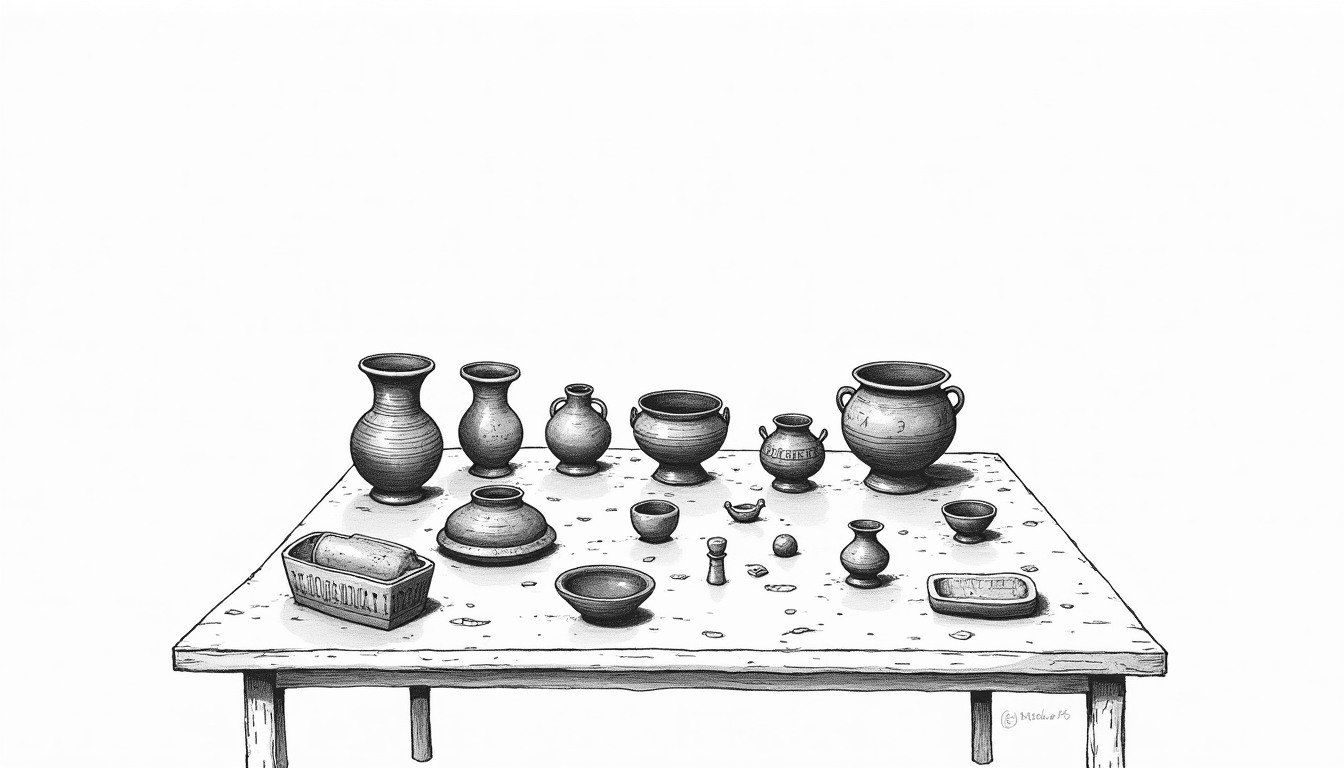
University of Florida anthropology professor Gabriel Prieto received a $245,000 grant from the U.S. State Department’s Ambassadors Fund for Cultural Preservation to conserve roughly 2,000 to 2,500 ancient artifacts held at the National Museum of Archaeology, Anthropology, and History at the University of Trujillo in Peru. The work, conducted in partnership with the Peruvian university, focuses on pre-Hispanic cultures including the Chimú, who built the largest urban site in ancient South America. The grant will also support new research opportunities for UF graduate and undergraduate students, including an existing study abroad program tied to ongoing excavations.
Sources: UF News
The University of Florida has been selected for a five-year, $2.3 million federal grant through the LEND program, which trains a broad range of professionals — from counselors and psychologists to educators and physicians — to work with children who have neurodevelopmental disabilities. The award places UF among a nationwide network of training sites and is expected to increase the number of providers able to conduct diagnostic assessments and deliver behavioral support in schools and communities across the North Central Florida region.
Sources: UF News
University of Florida professor Eric Jing Du is researching whether large language models exhibit consistent, built-in attitudes toward risk — a dimension largely absent from current AI safety testing. His team tested models on repeated medical triage scenarios with erased memory and found the models produced remarkably consistent assessments, suggesting an internal mechanism beyond simple probability. The work will be presented at the NeurIPS conference in December 2026 and aims to make risk-tolerance benchmarking a standard step before AI deployment.
Sources: UF News
Six University of Florida researchers and trainees flew aboard parabolic aircraft over Zurich, Switzerland in early September, experiencing brief periods of weightlessness to observe how human cells behave in microgravity. The experiments, organized through UF’s In-Space Biomanufacturing Innovation Hub, focused on potential therapies for cancer, heart disease, and muscle conditions, as well as the development of ultraviolet-protective compounds. Researchers from the College of Pharmacy, the Wertheim College of Engineering, and UF/IFAS all participated in the flights.
Sources: UF News
