

Public Safety
Teen arrested for pointing gun at student at Gainesville High during summer school
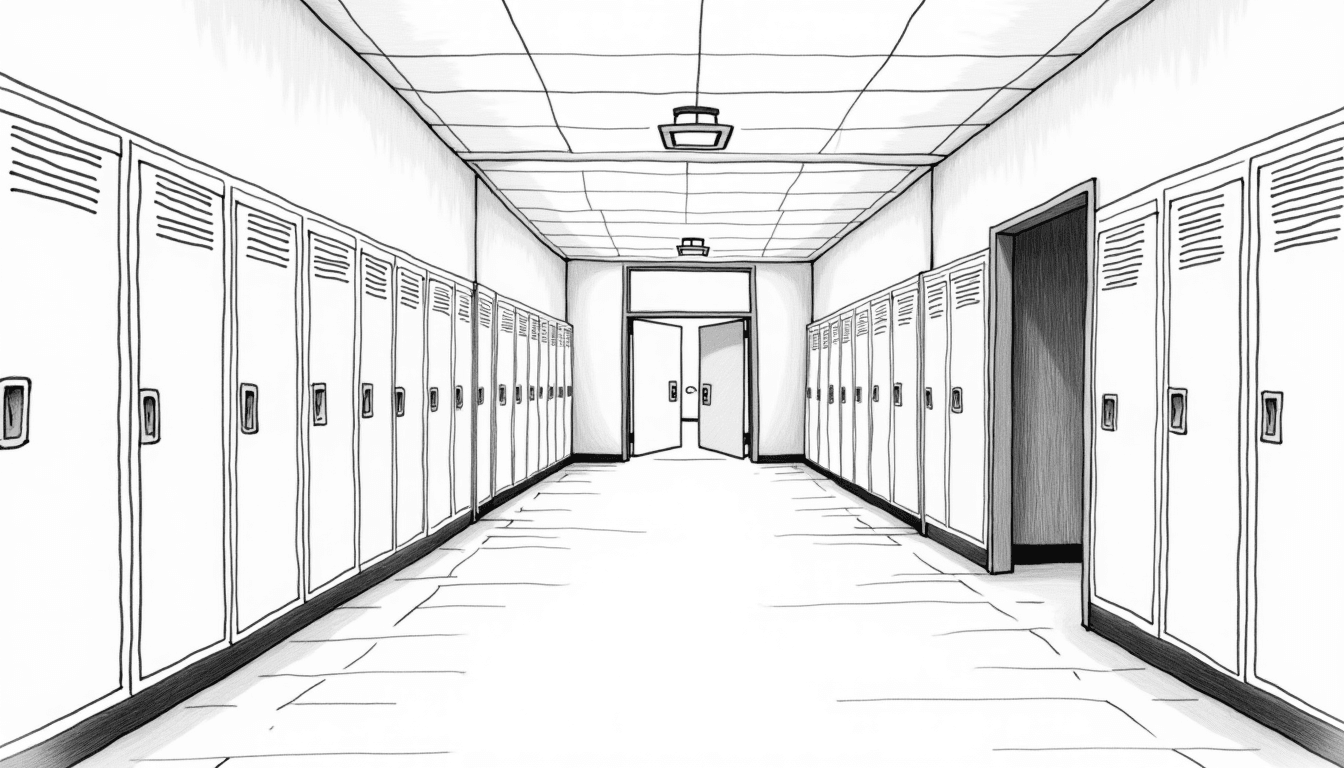
A 15-year-old was arrested Wednesday at Gainesville High School after pointing a gun at another student as summer school let out, according to Gainesville Police Department. The victim’s family says the incident was not isolated — his mother had filed a police report just the day before over ongoing death threats, including people showing up at the family’s home. Relatives are now speaking out about what they describe as inadequate school safety protections.
Point / Counterpoint
The Ledger is neutral; these essays are not. Each side, as steel-manned as we can make it.
Point
The arrest at Gainesville High School on Wednesday is not simply a story about one troubled teenager — it is a story about a system that failed a child. According to the family, Kyrie had been threatened repeatedly before a gun was ever brought onto campus. His mother filed a police report the day before the incident, documenting death threats and people showing up at their home. That means adults in positions of authority had information that a student was in danger, and the situation still escalated to a firearm being pointed at him in front of his mother as school released.
This is the central failure that demands accountability. School safety protocols are not designed merely to respond to weapons incidents after they happen — they are supposed to prevent them. If a family is filing police reports about credible death threats against a student, and the school is not notified, or is notified and takes no action, then the safety infrastructure has broken down at a fundamental level. The question is not whether this outcome was foreseeable. The family is saying clearly that it was.
Gainesville High, like many large urban high schools, faces genuine challenges: resource constraints, high student enrollment, and the difficulty of monitoring threats that originate off campus. But those structural pressures do not absolve administrators of the obligation to act when a family raises alarms. Schools across the country have implemented threat assessment teams — multidisciplinary groups that evaluate warning signs before they turn violent — and research consistently shows early intervention reduces campus weapons incidents.
The family’s willingness to speak publicly is itself a form of civic accountability. When institutions do not self-examine after a near-tragedy, it falls to affected families to force the conversation. Alachua County School District owes the community a transparent accounting of what protocols were in place, what information was available before Wednesday, and what changes will be made so that the next threatened student does not have to wait for a gun to appear before they receive protection.
Counterpoint
The arrest of a 15-year-old for pointing a gun at a fellow student at Gainesville High is a serious matter, and the family’s distress is entirely understandable. But before the school district is put on trial in the court of public opinion, it is worth examining what schools can realistically be expected to do — and what lies beyond their authority.
Threats that originate off campus, in neighborhoods and on social media, are primarily a law enforcement matter. The family reportedly filed a police report on Tuesday about death threats and people appearing at their home. That is exactly the right step — but it implicates the Gainesville Police Department’s response capacity, not solely the school’s. Schools are not equipped to conduct criminal threat investigations, and they lack the legal authority to detain or discipline students for conduct that has not yet occurred on school property. Holding administrators responsible for an off-campus threat chain they may not have fully known about conflates the roles of educators and law enforcement.
It is also worth being precise about what happened on Wednesday. An arrest was made. The system, imperfect as it is, did respond — officers were on scene and took the suspect into custody. No one was physically harmed. That is not a defense of complacency, but it is relevant context when evaluating whether a wholesale failure occurred or whether a genuinely difficult situation was managed as well as the available tools allowed.
Broader school safety improvements — more school resource officers, expanded mental health counseling, threat assessment teams — are legitimate policy discussions worth having. But those conversations require funding, community input, and careful balancing against concerns about over-policing in school environments, concerns that Gainesville’s own community has raised in past years. Good policy is not made in the immediate emotional aftermath of a single incident. The district deserves the space to conduct a thorough internal review before conclusions about systemic failure are drawn.
Sources: WCJB TV20