

Education
UF trustees name Stuart Bell interim president as governance dispute with state board continues
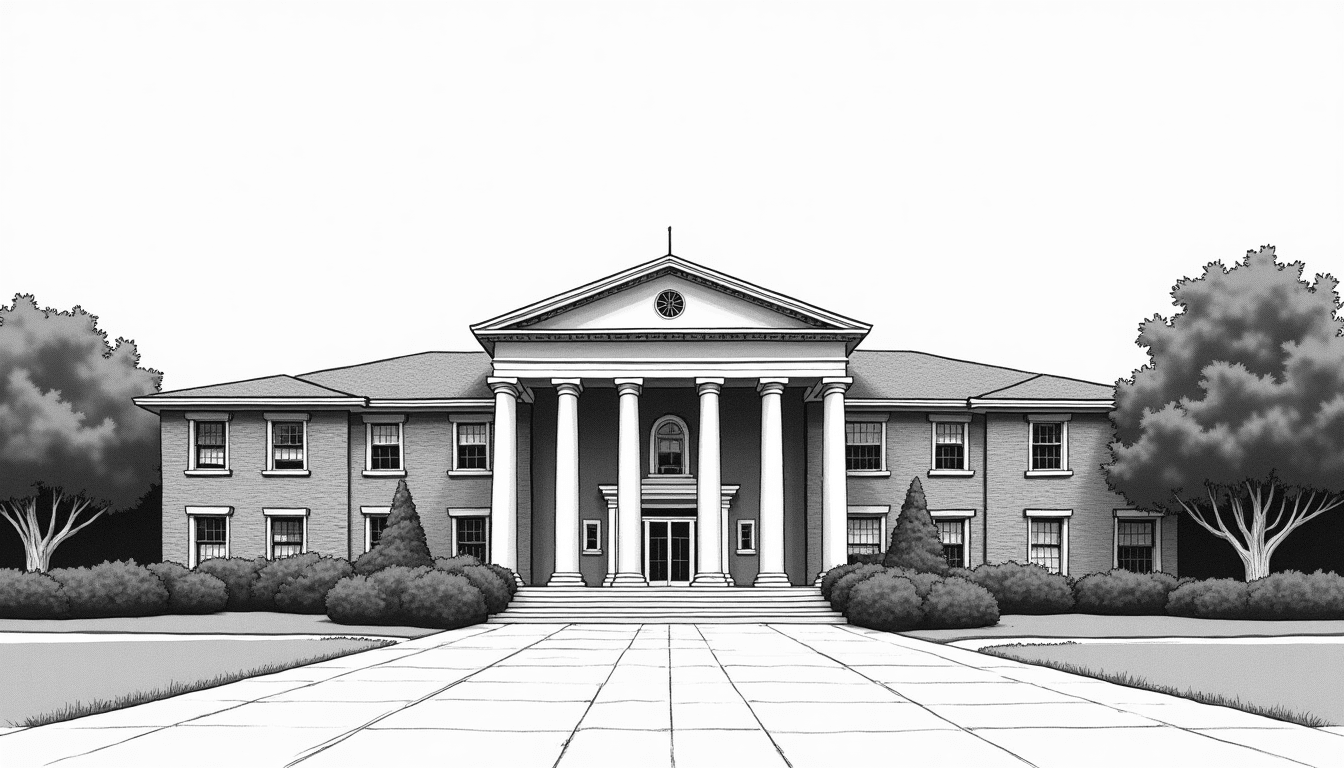
The University of Florida Board of Trustees voted unanimously Monday to appoint Dr. Stuart Bell as interim president, effective July 1, while a broader conflict with the Florida Board of Governors remains unresolved. The state board’s chair, Alan Levine, had postponed a vote on confirming Bell as permanent president, citing concerns that UF Board of Trustees Chair Mori Hosseini holds excessive authority under university governance policies. Trustees defended their practices and characterized the delay as unrelated to Bell’s qualifications; the interim appointment still requires ratification by the Board of Governors.
Point / Counterpoint
The Ledger is neutral; these essays are not. Each side, as steel-manned as we can make it.
Point
The University of Florida Board of Trustees was right to move forward with Dr. Stuart Bell’s interim appointment, and the Florida Board of Governors’ intervention represents an overreach that threatens the integrity of university governance. The trustees followed every required step: they convened a 15-member Presidential Search Committee, vetted hundreds of candidates, publicly named Bell as the sole finalist in accordance with Florida’s sunshine requirements, and voted unanimously twice — first to select him as permanent president and then to install him as interim leader. That degree of institutional consensus is rare and meaningful. It reflects a board fulfilling its core fiduciary responsibility to the university.
The dispute over Chair Mori Hosseini’s authority is a governance question that should be addressed on its own terms, through proper channels — not weaponized to block a presidential transition that affects thousands of students, faculty, and staff. UF officials said plainly that the university cannot afford to remain in leadership limbo. Every day without a confirmed president is a day in which hiring decisions stall, donor relationships cool, and the strategic momentum of one of the nation’s top public universities slows. The cost of delay is real, even if it is invisible in a governance memo.
The Florida Board of Governors oversees the State University System, but that oversight role does not give its chair unilateral authority to postpone a ratification vote indefinitely over contract language disputes. The problematic language Levine originally cited was removed from Bell’s proposed contract. If residual policy concerns remain, those are proper subjects for negotiation — not grounds to hold an incoming president hostage. The UF trustees’ characterization that the institution is being drawn into a dispute unrelated to Bell’s candidacy is accurate and important: Bell himself has done nothing to warrant this delay.
UF’s trustees were elected precisely to exercise independent judgment about university leadership. A research university of UF’s stature — pursuing top-ten national rankings, managing a complex academic medical center, competing globally for faculty and research talent — requires stable, empowered local governance. Allowing the Board of Governors to functionally veto a unanimous trustee decision over a contractual side dispute would set a precedent that subordinates campus governance to Tallahassee politics in ways the law does not require and institutional health cannot afford.
Counterpoint
The Florida Board of Governors’ decision to pause ratification of Dr. Stuart Bell’s permanent appointment is not obstruction — it is exactly the kind of oversight the state university system was designed to provide. The concerns raised by Board of Governors Chair Alan Levine go to something fundamental: whether a single trustee chair is accumulating authority over the university presidency that state regulations do not permit. If that concern is well-founded, no amount of enthusiasm for Bell as a candidate changes the underlying structural problem. Approving a president under a governance arrangement that may violate state law would not fix the problem; it would entrench it.
The history of Florida higher education includes episodes where unchecked concentration of power within university boards produced serious institutional damage. The Board of Governors exists precisely to provide a check on local governance bodies that might otherwise serve parochial interests rather than statewide ones. When the chair of that body raises a formal concern about authority granted to a trustee chair — and does so in writing, citing specific language — the responsible response is to resolve the question before proceeding, not to route around the dispute by installing the same candidate in an interim role and presenting the state board with a fait accompli.
It is worth noting that the objectionable contract language was removed from Bell’s proposed agreement only after Levine raised the alarm. That sequence suggests the concern was legitimate, not pretextual. And Levine’s argument that equivalent authority persists through other UF policies means the removal of specific contract language may not have addressed the underlying structural issue. Ratifying Bell’s permanent appointment without resolving that question would leave the governance dispute intact while adding the complication of a permanent president who took office under a cloud.
Dr. Bell may well be an excellent choice to lead the University of Florida — his decade at the University of Alabama included genuine academic achievements. But the question before the Board of Governors is not whether Bell is qualified; it is whether the governance structure around his appointment complies with state law. Legitimate oversight does not evaporate because the underlying candidate is strong or because trustees feel urgency. Florida’s system of checks on its public universities exists for good reasons, and the Board of Governors has both the authority and the responsibility to exercise them.
Sources: Mainstreet Daily News · WCJB TV20 · The Gainesville Sun · UF News · The Independent Florida Alligator