
The University of Florida Board of Trustees voted unanimously Monday to appoint Dr. Stuart Bell as interim president, effective July 1, while a broader conflict with the Florida Board of Governors remains unresolved. The state board’s chair, Alan Levine, had postponed a vote on confirming Bell as permanent president, citing concerns that UF Board of Trustees Chair Mori Hosseini holds excessive authority under university governance policies. Trustees defended their practices and characterized the delay as unrelated to Bell’s qualifications; the interim appointment still requires ratification by the Board of Governors.
Read both sides →
Sources: Mainstreet Daily News · WCJB TV20 · The Gainesville Sun · UF News · The Independent Florida Alligator

A new study co-authored by University of Florida advertising professor Yuan Sun found that people who rely on social media to deliver news to them — rather than actively seeking it out — still tend to view professional news editors as more trustworthy than algorithms or social media friends. However, those same passive news consumers are more likely to engage with algorithmically recommended content without carefully evaluating it first, which researchers say may increase the spread of misinformation. The study, conducted with researchers from the University of Georgia and Penn State, was published in the journal Social Media and Society.
Sources: UF News

University of Florida researchers found that standard retinal photographs, already taken during routine eye exams, can be used to detect risk factors associated with Alzheimer’s disease long before symptoms emerge. An AI model trained on data from more than 40,000 patients identified retinal signals linked to blood pressure, smoking, alcohol use, insomnia, and other risk indicators. The study, published in the Journal of Alzheimer’s Disease, was led by UF biomedical engineering professor Ruogu Fang and supported in part by the National Science Foundation.
Sources: UF News
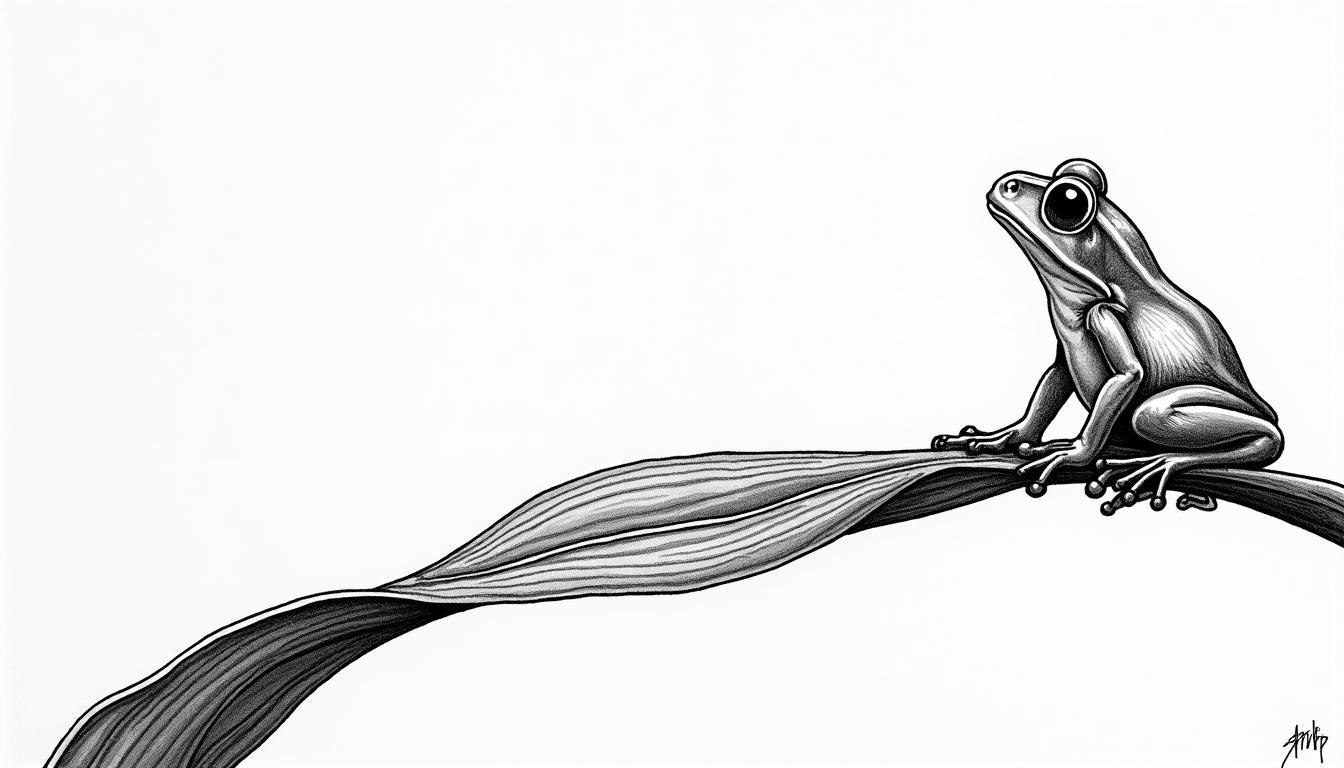
University of Florida researchers found that juvenile coqui frogs continue investing energy in growth even after contracting the deadly chytrid fungus, only shifting resources toward immune defense when infections become severe. The study, published in the Journal of Animal Ecology, used computer models built from field data to show how seasonal changes in food availability affect frogs’ survival odds. Researchers say the findings could help improve conservation strategies for amphibian species threatened by disease and environmental change.
Sources: UF News
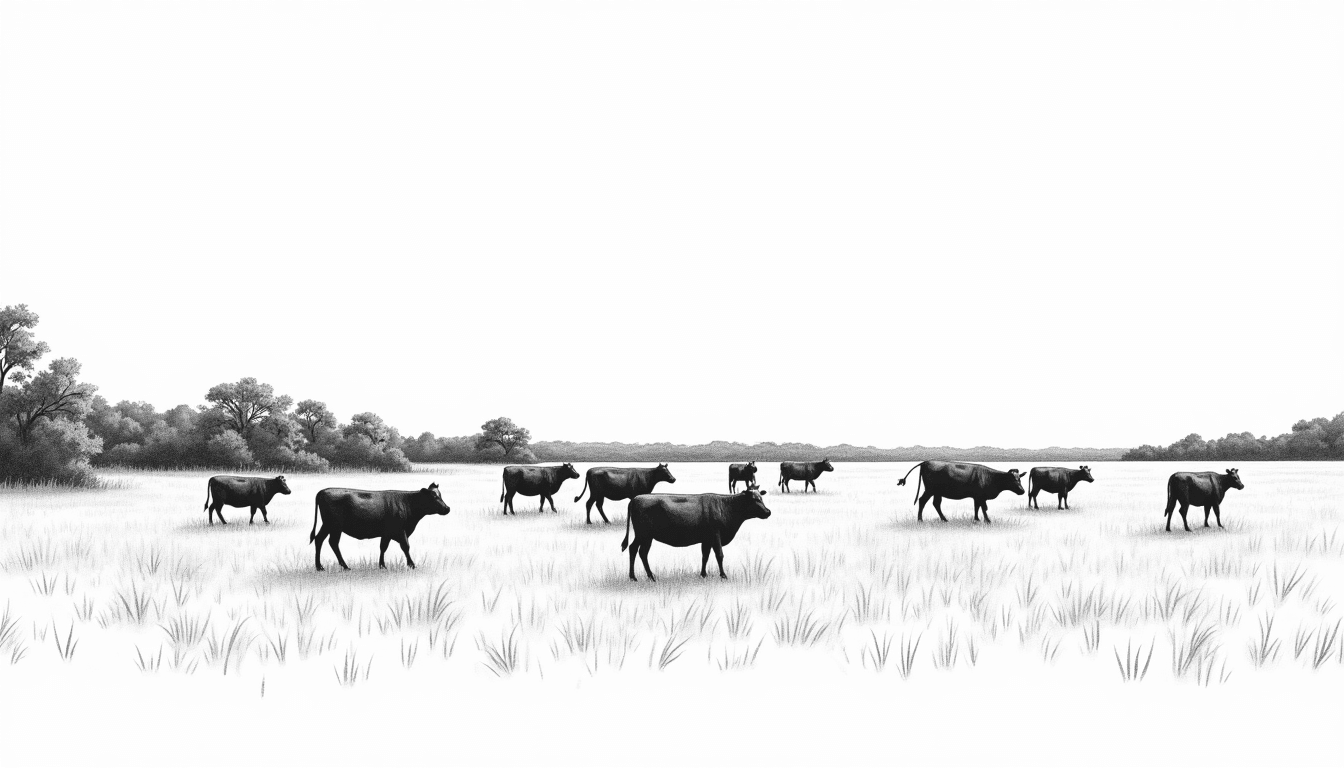
A $9.5 million estate gift from the family of Irene and Walter Earls has created the Carrie W. Earls Mosquito and Pest Eradication in Beef Cattle Fund at the University of Florida. The endowment will support research and outreach across UF’s Institute of Food and Agricultural Sciences and College of Veterinary Medicine, targeting mosquitoes, biting flies, and other pests that harm livestock. Researchers plan to apply the funds immediately, in part to address the resurgent threat of the New World screwworm to Florida cattle producers.
Sources: UF News
A University of Florida physician who directs the UF Sepsis and Critical Illness Research Center wrote a commentary arguing that the May death of NASCAR driver Kyle Busch from sepsis-related complications should prompt wider public and medical attention to the condition. The author notes that sepsis — in which the body enters organ failure in response to infection — is one of the most costly and deadly conditions in hospitals yet remains far less understood than heart attacks or strokes. UF researchers are using AI-driven methods to improve detection and treatment, and have found that up to a third of sepsis survivors may enter a prolonged state of chronic critical illness sometimes compared to long COVID.
Sources: UF News
University of Florida neuroscientists have identified an association between glucosamine — a widely used over-the-counter joint pain supplement — and a greater likelihood of advancing from mild cognitive impairment to Alzheimer’s disease. The findings, published in Nature Metabolism, draw on a large retrospective review of patient records as well as brain imaging data from human specimens and mouse models. Researchers caution the results are preliminary and call for validation through a human clinical trial.
Sources: UF News

Orlando Laitano, an assistant professor at UF’s College of Health and Human Performance, has spent more than a decade developing individualized hydration strategies for Brazil’s national soccer team ahead of the 2026 FIFA World Cup. Using sweat-collection patches and monitoring systems during a recent training camp in Orlando, Laitano measures each player’s fluid, sodium, and chloride losses to build personalized hydration plans. The same research, funded in part by the U.S. Department of Defense and the National Institutes of Health, also targets exertional heat illness affecting soldiers and laborers.
Sources: UF News

The University of Florida has launched a certificate program called PATHS that prepares neurodivergent adults for careers in semiconductor manufacturing using virtual reality, hands-on cleanroom training, and one-on-one mentoring with industry professionals. The inaugural spring 2026 class enrolled 16 students from across the country, with the goal of converting internships into full-time employment. The National Science Foundation-funded initiative is driven partly by a national shortage of semiconductor workers and the fact that up to 85% of neurodivergent adults are unemployed or underemployed.
Sources: UF News
University of Florida chemical engineers have created a gel-based material that removes PFAS contaminants from water more efficiently than many commercial filters currently on the market. The material works by using electrical charges to bind PFOA molecules throughout the gel rather than just on its surface, and can be reused by flushing it with common solvents. Notably, the filter itself contains no fluorinated compounds, avoiding the risk of adding new PFAS-related pollution to the environment.
Sources: UF News