Advertisement

Vol. 1 · No. 62 · Thursday, July 2, 2026

The Gainesville Ledger

Education

Florida Board of Governors confirms Stuart Bell as UF’s 14th president

The Florida Board of Governors voted 16-1 on July 1 to confirm Dr. Stuart R. Bell as the 14th president of the University of Florida, with board member Aubrey Edge casting the sole dissenting vote. Bell, who previously served a decade as president of the University of Alabama, takes over effective immediately following a national search and unanimous support from the UF Board of Trustees. His formal inauguration is planned for later this year.

Read the point / counterpoint →

Sources: UF News · WCJB TV20 · The Gainesville Sun · WUFT News · The Independent Florida Alligator · Mainstreet Daily News

Environment

Alachua County’s annual fertilizer ban takes effect through February

Alachua County’s seasonal prohibition on landscape fertilizers containing nitrogen or phosphorus began Wednesday and runs through February 28. The countywide ban aims to prevent fertilizer runoff from reaching stormwater systems, lakes, and the aquifer, where it can trigger algae outbreaks. Exemptions exist for vegetable gardens and fruit trees, but fertilizer cannot be applied within 10 feet of any body of water, and any spills on paved surfaces must be cleaned up immediately.

Sources: WCJB TV20 · Alachua County

City

Levy County commissioners move toward one-year moratorium on data centers

Levy County commissioners directed staff to draft a one-year moratorium on data centers after a public workshop Tuesday drew nearly 100 residents to a Bronson auditorium. A University of Florida expert told commissioners that data centers generate only one to two permanent jobs per 10,000 square feet and should not be sited near residential areas without noise mitigation. The county attorney noted that current county code does not legally define data centers, meaning any proposed facility would currently require an application process.

Sources: WCJB TV20

Education

UF Books & Cooks program expands statewide, adds diabetes prevention focus

The University of Florida’s Books & Cooks program, a free 12-week initiative combining family literacy and nutrition education, has expanded into 11 Florida counties including Alachua, as well as one county in Arkansas. The program, a collaboration between UF/IFAS and the UF Lastinger Center for Learning, will now also incorporate Type 2 diabetes prevention content for adults and children. More than 500 families have participated since the program began, receiving free books, produce, and weekly cooking and reading activities.

Sources: UF News
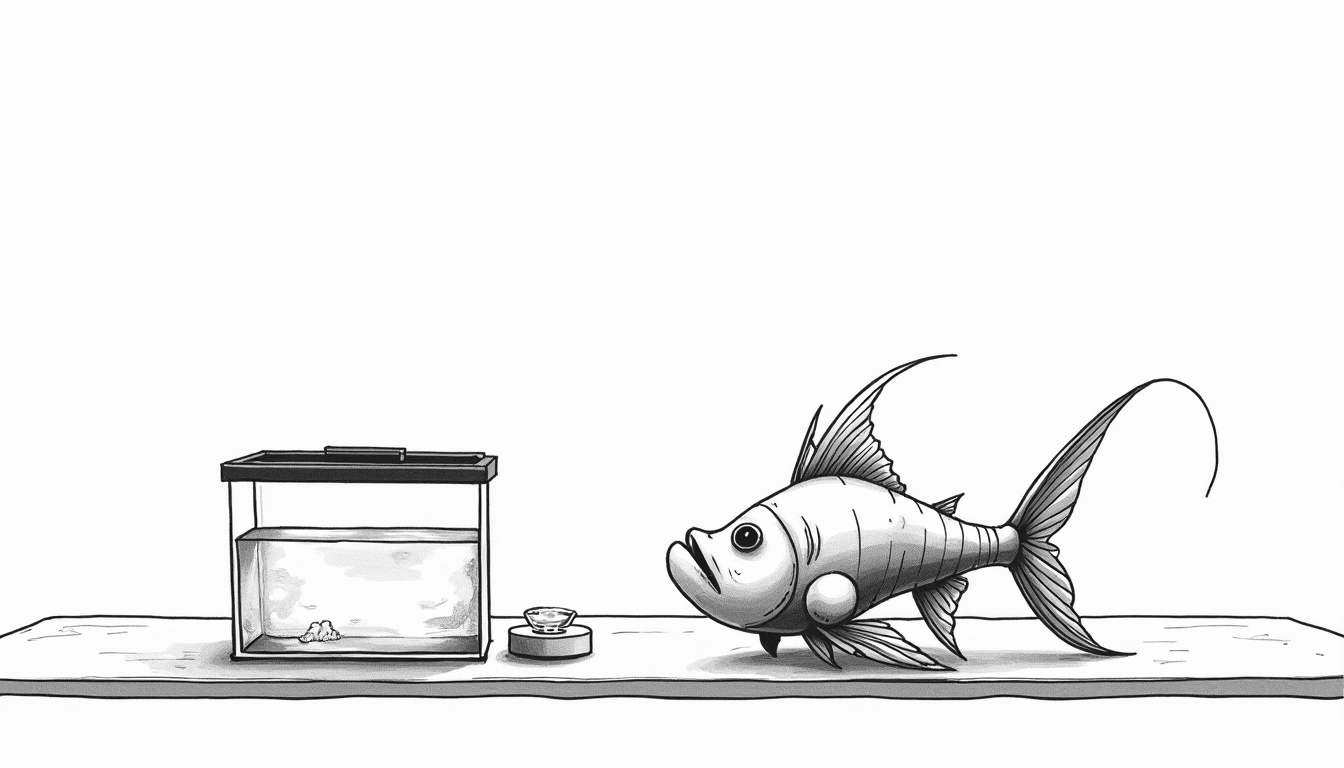
UF partnership puts robotic fish in Florida elementary classrooms

A collaboration between UF’s Department of Mechanical and Aerospace Engineering and the Florida Museum of Natural History’s Thompson Earth Systems Institute is bringing robotic fish kits into Florida elementary school classrooms to teach students the scientific method through hands-on experimentation. The roughly 12-inch robotic swimmers allow students to manipulate variables like tail speed and fin shape, then observe how those changes affect performance in classroom tanks. Teachers from across Florida participated in professional development workshops to help translate the university’s bio-inspired robotics research into classroom curriculum.

Sources: UF News

UF researchers develop tool that detects crop drought stress days before it shows

A team from UF/IFAS, the USDA, and NASA developed a hyperspectral imaging method that can identify drought stress in lettuce plants within days of reduced watering — well before wilting or discoloration appears. The system achieved roughly 97% accuracy by the fifth day and works without damaging the plants. Researchers say the technology could help greenhouse growers optimize irrigation and may eventually support crop monitoring on future space missions.

Sources: UF News
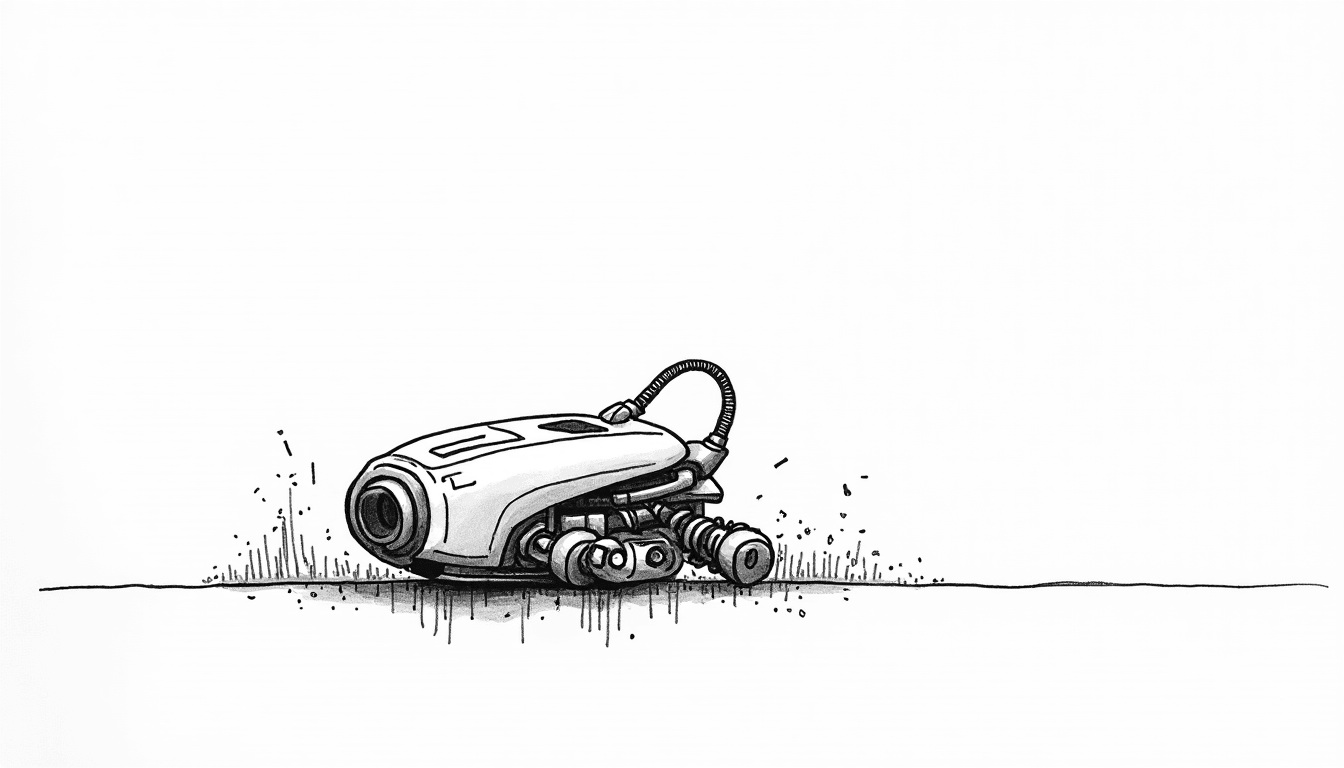
UF researchers build AI-powered robotic camera that works like a human eye

A team led by University of Florida associate professor Shuai Li and University of Tennessee researcher Jindong Tan has developed a soft, magnetically driven robotic camera that replicates the eye’s self-cleaning functions — blinking, producing fluid to wash away debris, and repositioning automatically. The device, funded by the National Science Foundation, is aimed at laparoscopic surgery, where camera obstruction can interrupt procedures and cost critical time. The researchers note the same technology could help robots maintain clear sightlines while building structures on the lunar surface.

Sources: UF News

UF researchers develop AI tool to forecast flesh-eating bacteria in coastal waters

University of Florida scientists, backed by a $3.6 million National Institutes of Health grant, are building an AI-powered platform called VIGOR to predict dangerous Vibrio bacteria outbreaks in coastal waters up to three to four weeks in advance. The system will combine satellite data, environmental sensors, and genomic sequencing to identify high-risk conditions tied to factors like sea surface temperature, algal blooms, and hurricane flooding. UF is leading the project in collaboration with the University of Maryland, with the ultimate aim of delivering real-time public health alerts to government agencies and coastal communities.

Sources: UF News

UF researchers find healthy infant gut microbiomes may guard against malaria

A small UF-led study conducted in the Democratic Republic of Congo found that 6-week-old infants with healthier gut microbiomes were less likely to develop malaria during their first year of life. Babies who remained malaria-free tended to carry gut bacteria associated with healthy breastfed infants, while those who contracted malaria showed higher levels of inflammation-linked microbes. The preliminary findings, published in Frontiers in Cellular and Infection Microbiology, raise the possibility that probiotic-based interventions could one day offer protection, though researchers say larger studies are needed.

Sources: UF News

Public Safety

Sports

Arts & Culture

Environment

UF/IFAS taps Florida’s Spanish-era heritage cattle to advance sustainable ranching

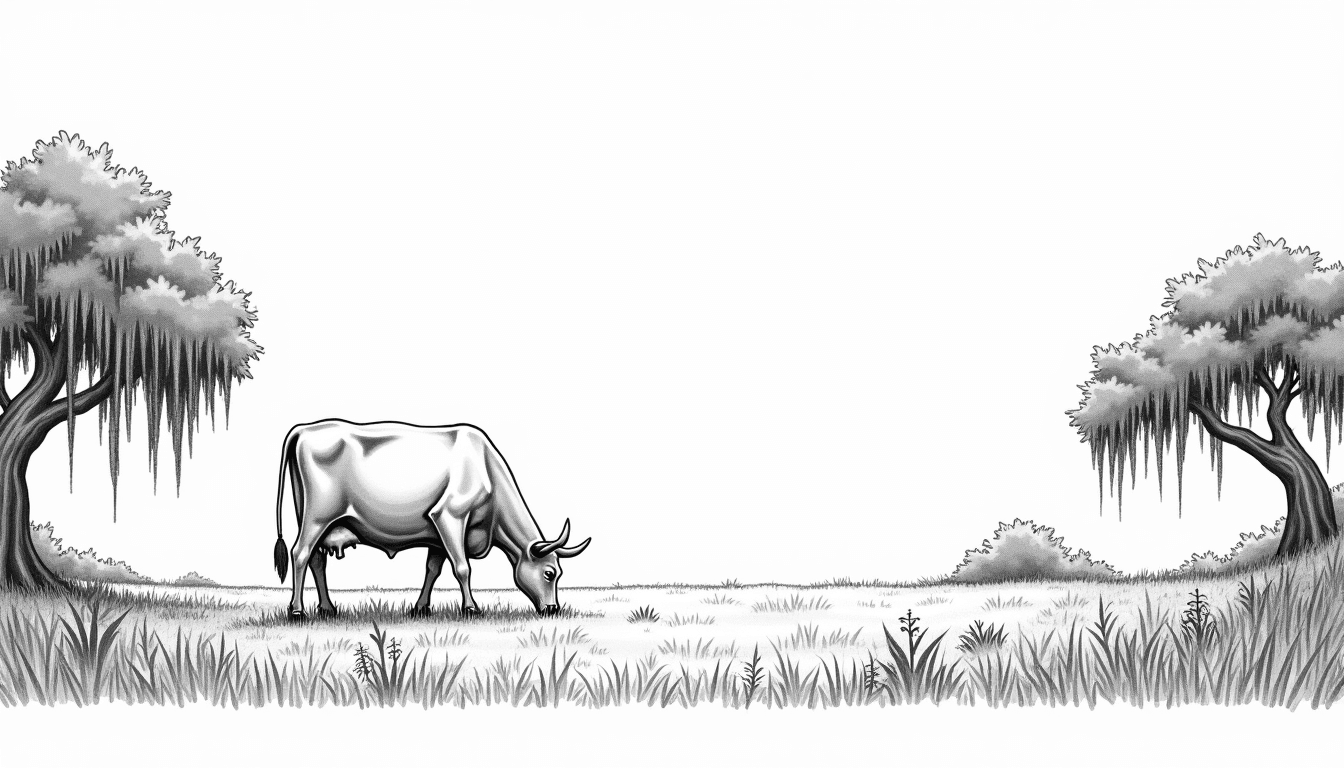
Florida’s heritage cattle — descended from livestock brought by Spanish settlers as far back as 1521 and still grazing lands like Paynes Prairie near Gainesville — are drawing renewed interest for their natural resilience to heat, parasites, and rough terrain. UF/IFAS Extension, working alongside St. Johns County ranchers, is studying the breed’s low-maintenance traits to help modern agricultural operations adapt to a changing climate. Genetic testing has confirmed that surviving north Florida herds are direct descendants of cattle tied to the original Spanish settlement at St. Augustine.

Sources: UF News

UF defends Graham Woods tree removal as part of watershed restoration plan

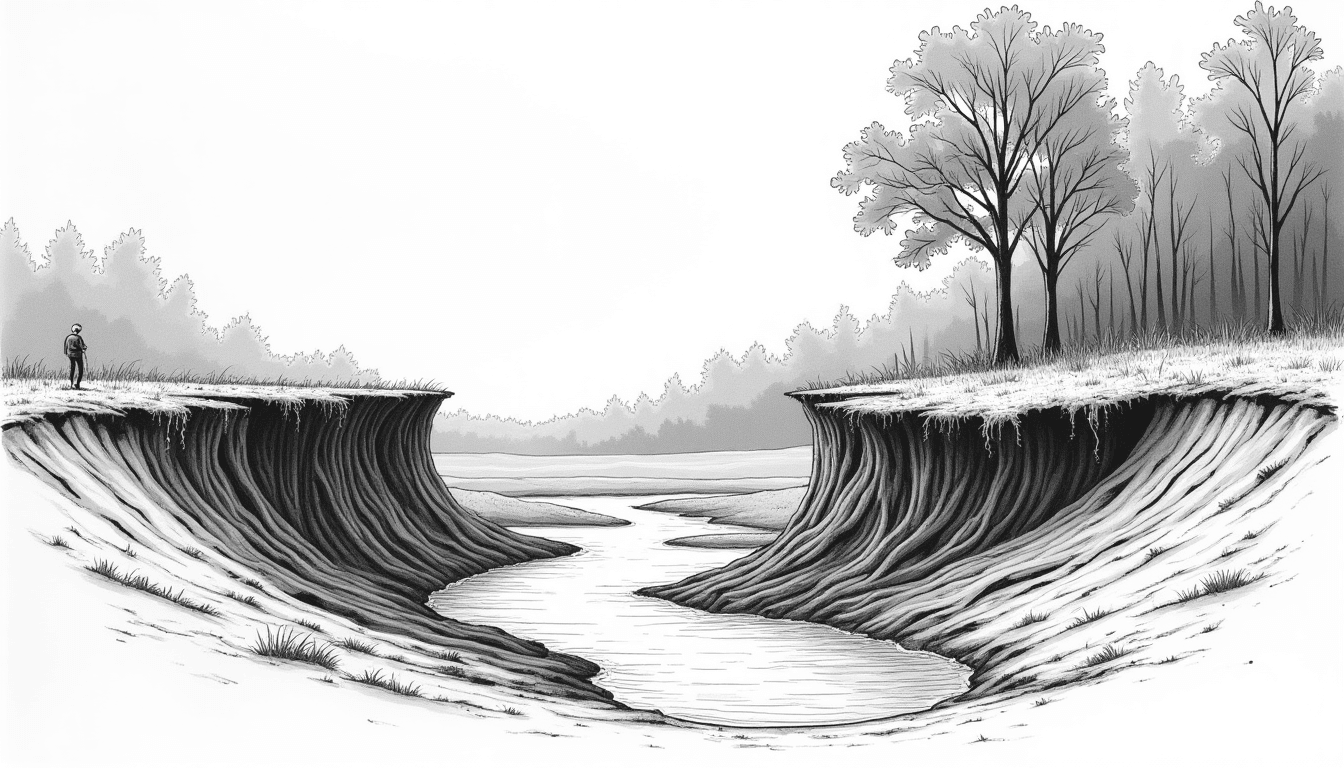
The University of Florida’s Graham Woods Stormwater Improvement Project has drawn public scrutiny over plans to remove trees from a campus woodland, but UF officials argue the work is necessary to address severe erosion, failing stormwater infrastructure, and sediment flowing into Graham Pond and Lake Alice. The 2024 Lake Alice Watershed Plan identified Graham Woods as a priority restoration site due to deep channeling, destabilized streambanks, and public safety hazards caused by increasingly concentrated stormwater flows. UF contends the project’s broader goals — stabilizing slopes, removing invasive species, and reestablishing native vegetation — make tree removal a component of environmental repair rather than destruction.

Read both sides →

Sources: UF News

Community

Gainesville Latinos describe lasting impact of ‘no sabo’ language shaming

A feature by the Independent Florida Alligator examines how the term ‘no sé, no sabo’ — a label applied to Latinos seen as insufficiently fluent in Spanish — has shaped the identities of Gainesville-area residents. The piece explores how the phrase has historically been used to shame people out of their heritage language, while also documenting efforts by local Latinos to reclaim their linguistic identity.

Sources: The Independent Florida Alligator

State & National

New Florida domestic violence law, spurred by Starke case, takes effect

A Florida law stiffening penalties for repeat domestic violence offenders and expanding protections to survivors’ pets took effect Wednesday after receiving unanimous approval in both chambers. Gov. Ron DeSantis signed the measure in May following advocacy by State Rep. Debra Tendrich, who cited the Bradford County case of Rachael Kerr — killed in a Starke murder-suicide in late January despite having documented abuse and sought court protections.

Sources: WCJB TV20

DeSantis backs constitutional convention to reverse birthright citizenship ruling

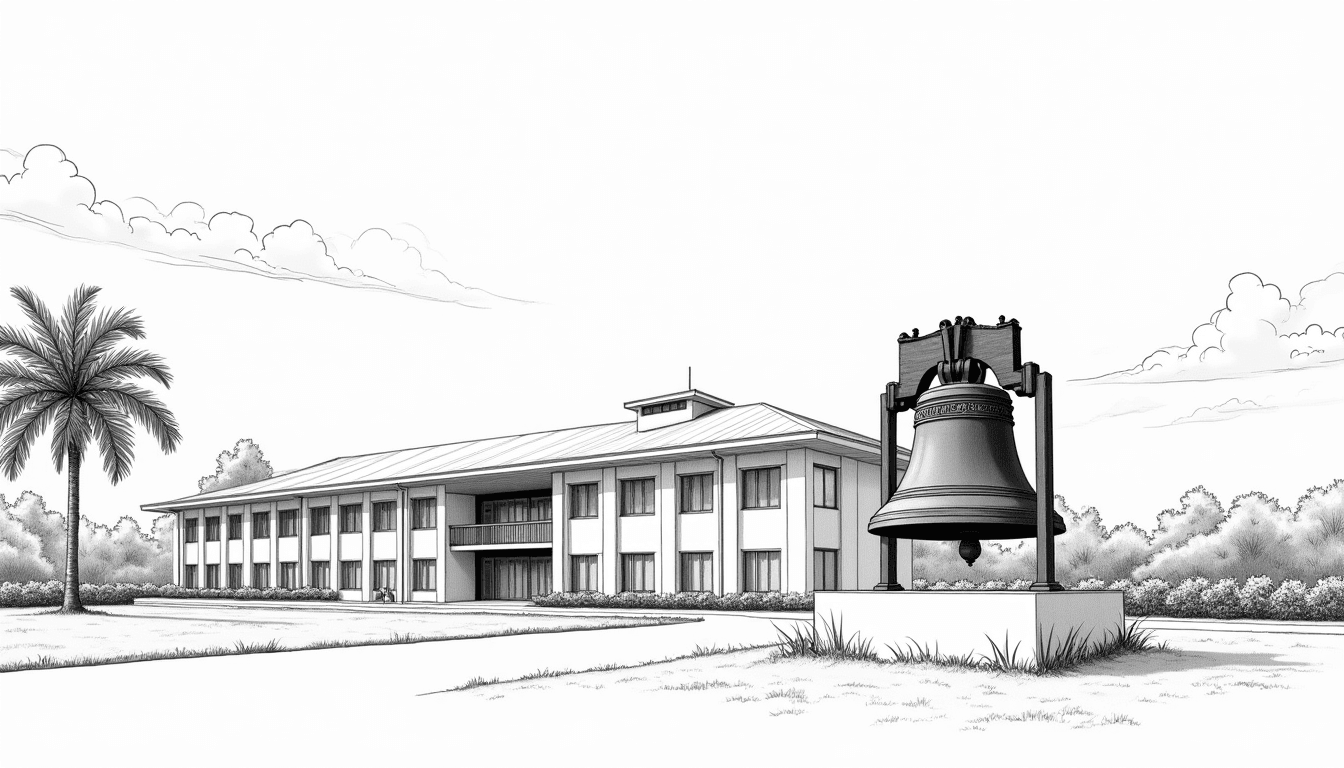
At a Liberty Bell replica unveiling in Liberty County on Wednesday, Gov. Ron DeSantis publicly disagreed with the Supreme Court’s decision upholding birthright citizenship and said he would support Florida leading a push for a constitutional convention to overturn it. He acknowledged, however, that convening such a convention would be an extremely difficult undertaking. The Supreme Court had ruled the previous day that the Constitution guarantees citizenship to most people born in the United States, rejecting restrictions the Trump administration had proposed.

Read both sides →

Sources: WCJB TV20

Florida consumer sentiment falls for fourth straight month, hits two-year low

A University of Florida survey found that Florida consumer sentiment dropped 1.8 points in June to 71.1, its lowest reading since May 2024, even as national sentiment moved in the opposite direction. Four of the five index components declined, with Floridians’ expectations about U.S. economic conditions over the next year showing the steepest fall. UF researchers attributed the persistent pessimism to ongoing inflation pressures, particularly in everyday costs like gasoline, along with a state unemployment rate that remains above the national average.

Sources: UF News

Advertisement