

Environment
UF defends Graham Woods tree removal as part of watershed restoration plan
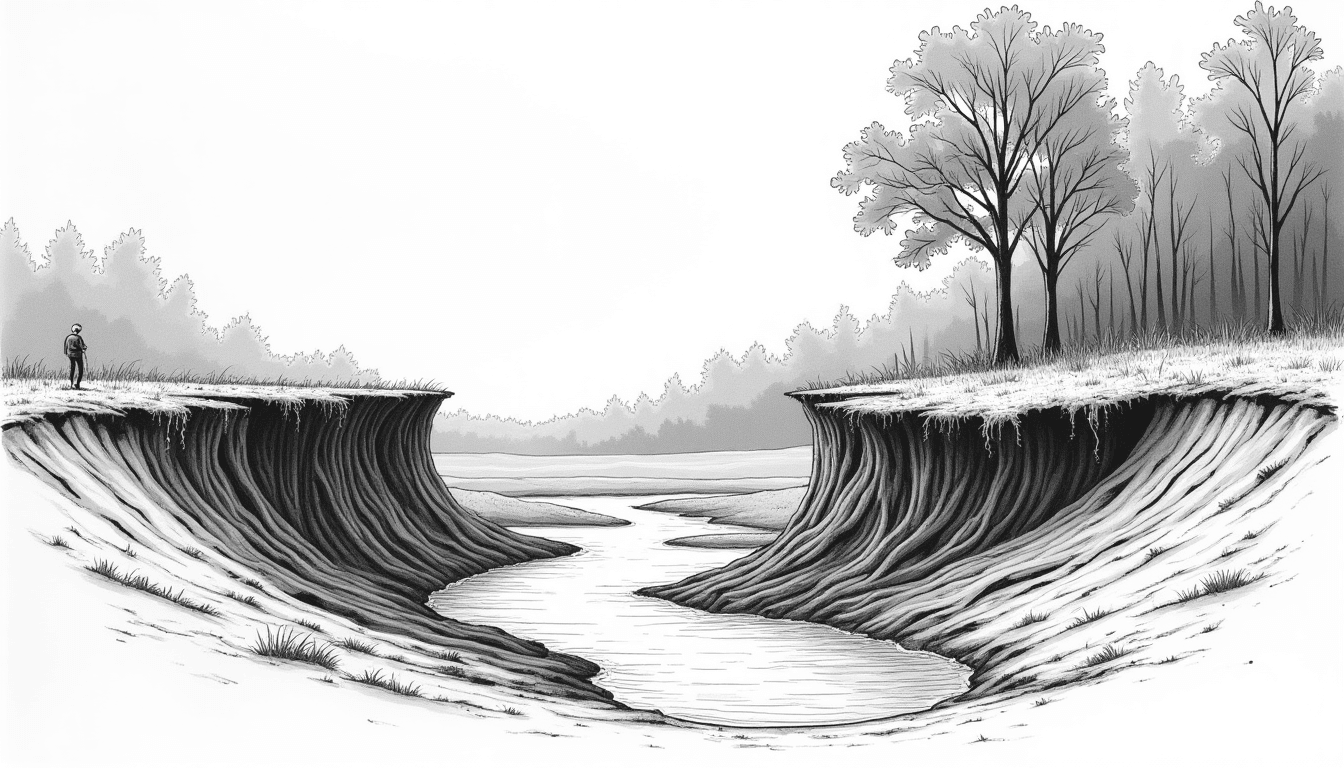
The University of Florida’s Graham Woods Stormwater Improvement Project has drawn public scrutiny over plans to remove trees from a campus woodland, but UF officials argue the work is necessary to address severe erosion, failing stormwater infrastructure, and sediment flowing into Graham Pond and Lake Alice. The 2024 Lake Alice Watershed Plan identified Graham Woods as a priority restoration site due to deep channeling, destabilized streambanks, and public safety hazards caused by increasingly concentrated stormwater flows. UF contends the project’s broader goals — stabilizing slopes, removing invasive species, and reestablishing native vegetation — make tree removal a component of environmental repair rather than destruction.
Point / Counterpoint
The Ledger is neutral; these essays are not. Each side, as steel-manned as we can make it.
Point
The University of Florida’s Graham Woods Stormwater Improvement Project deserves a fair hearing, and the fairest hearing requires understanding what the site actually is today: not a pristine forest, but a degraded watershed in active decline. The 2024 Lake Alice Watershed Plan, produced through rigorous study, identified Graham Woods as a priority area precisely because concentrated stormwater flows have carved deep erosion channels through the site, undermined streambanks, and pushed excess sediment into Graham Pond and downstream toward Lake Alice. These are not aesthetic concerns. Sediment loading degrades water quality, smothers aquatic habitat, and accelerates the very ecological collapse that campus conservationists rightly fear.
The instinct to protect trees is admirable, but it can obscure a more complicated truth: the trees currently growing in Graham Woods are not thriving in a stable ecosystem. They are colonizing a site whose hydrology has been fundamentally altered by decades of improperly managed stormwater. Some of those trees are invasive species actively suppressing native groundcover. Others have established themselves in eroded channels that weren’t there a generation ago. Preserving that landscape in its current form is not conservation — it is the preservation of a degraded state.
UF’s approach follows established principles of ecological restoration, which sometimes requires short-term disruption to achieve long-term stability. Wetland and riparian restoration projects across Florida have demonstrated that removing encroaching vegetation, regrading eroded slopes, and reintroducing native plant communities can reverse decades of damage. The Lake Alice ecosystem, which supports wildlife and serves as an outdoor classroom for UF students and researchers, is worth protecting — and that protection requires addressing failing infrastructure before it causes irreversible harm to the watershed downstream.
Skepticism of institutional environmental projects is healthy, and UF should welcome scrutiny. But the burden of proof runs both directions. Critics who argue that no trees should be cut must also explain how the erosion, the failing stormwater systems, and the sediment loading will otherwise be addressed. Inaction is not a neutral choice. Every season the infrastructure goes unrepaired, more soil moves toward Lake Alice. The Graham Woods Stormwater Improvement Project, grounded in the watershed plan and guided by restoration ecology, represents a credible attempt to stop that decline.
Counterpoint
It is worth pausing on the phrase UF uses to frame this project: the choice, officials say, is not between preserving Graham Woods and destroying it. But that framing does a great deal of work, and it deserves scrutiny. The question is not whether stormwater infrastructure needs repair — it very likely does. The question is whether the specific solution on the table, one that involves removing a significant number of trees from a campus woodland adjacent to Lake Alice, is the right one, and whether the community most affected by that decision had genuine input before the plans were finalized.
Graham Woods sits within the Lake Alice Wildlife Preserve, a landscape that holds unusual significance for Gainesville. It is one of the rare urban natural areas where students, faculty, and residents can observe Florida’s native ecosystems close up. When a UF committee delayed the project in early 2026 amid public concern, it was not because opponents misunderstood the goals of watershed restoration. It was because the community raised legitimate questions about the scale of tree removal, the adequacy of public engagement, and whether less destructive alternatives had been fully explored. Those questions deserve substantive answers, not reassurance.
Institutions have a long history of presenting engineered interventions as the only path forward while underweighting the ecological and cultural value of what will be lost. Mature trees in riparian areas provide functions that replanted saplings cannot replicate for decades: canopy cover that moderates water temperature, root systems that hold streambanks, habitat structure for cavity-nesting birds and other wildlife. Even when a project’s stated goals are sound, the loss of established trees represents a real and immediate ecological cost that must be weighed honestly against projected future benefits.
The community’s instinct to ask hard questions about this project is not anti-environmental sentimentality. It reflects a reasonable demand for transparency: What alternatives were modeled? Who reviewed the tradeoffs? What monitoring and accountability measures will ensure the restoration goals are actually met after the trees come down? UF’s Lake Alice Watershed Plan may be thorough, but a plan authored by the same institution proposing the project is not the same as independent review. Before chainsaws reach Graham Woods, the university owes its community a more complete answer to the question that started this debate.
Sources: UF News