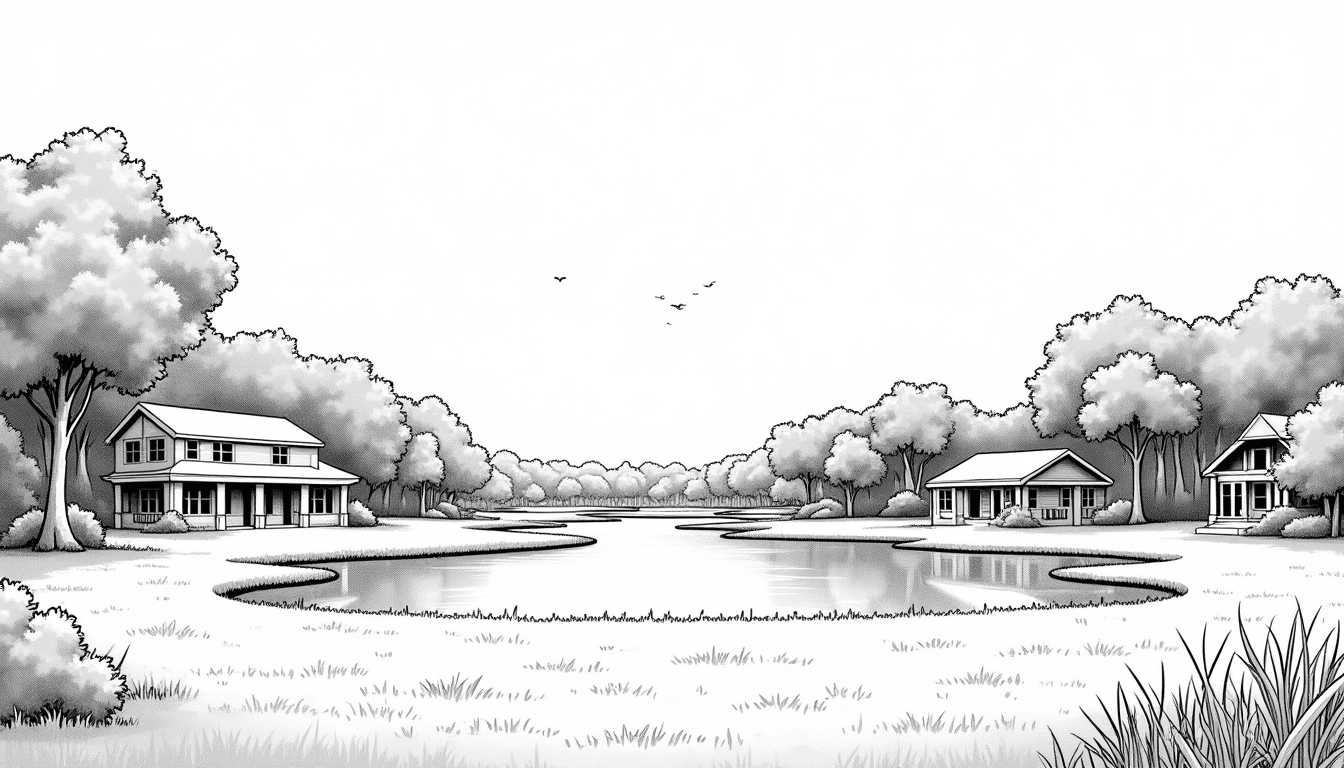
Alachua County’s seasonal prohibition on landscape fertilizers containing nitrogen or phosphorus began Wednesday and runs through February 28. The countywide ban aims to prevent fertilizer runoff from reaching stormwater systems, lakes, and the aquifer, where it can trigger algae outbreaks. Exemptions exist for vegetable gardens and fruit trees, but fertilizer cannot be applied within 10 feet of any body of water, and any spills on paved surfaces must be cleaned up immediately.
Sources: WCJB TV20 · Alachua County
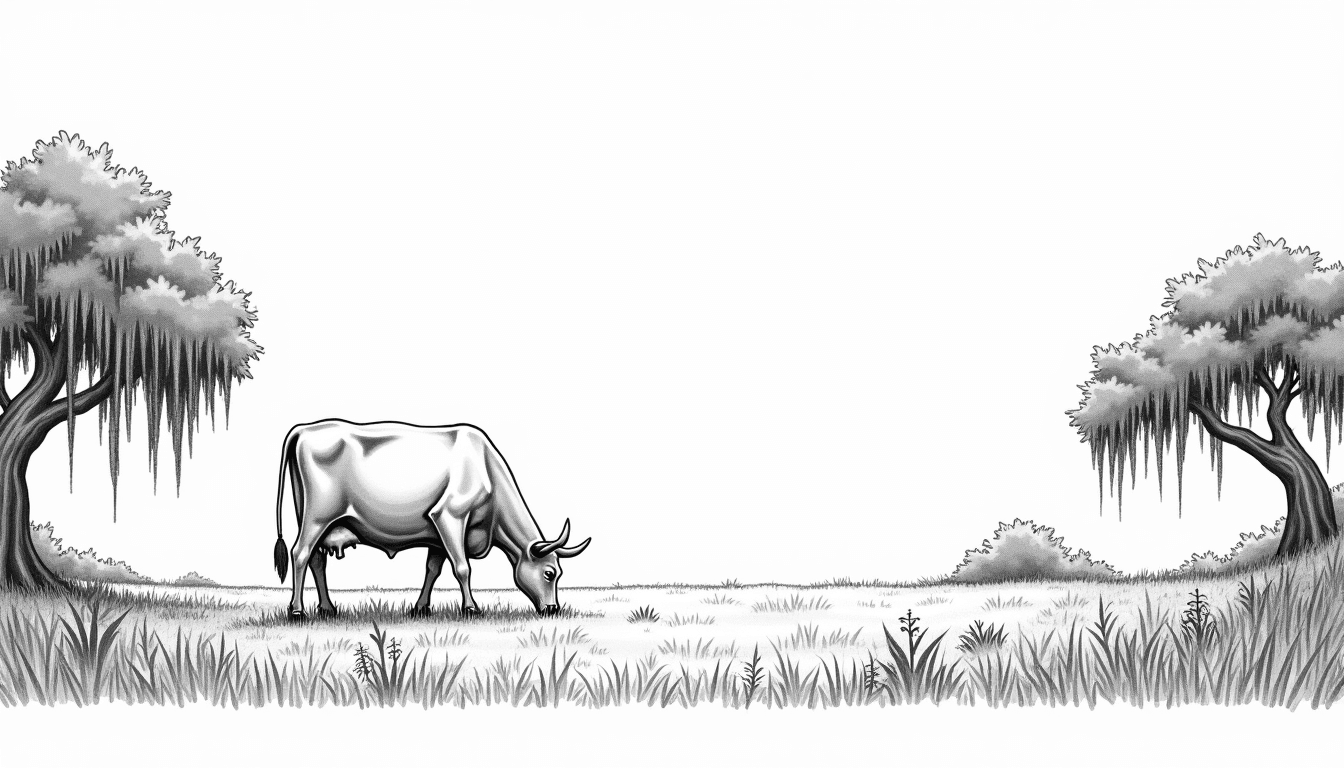
Florida’s heritage cattle — descended from livestock brought by Spanish settlers as far back as 1521 and still grazing lands like Paynes Prairie near Gainesville — are drawing renewed interest for their natural resilience to heat, parasites, and rough terrain. UF/IFAS Extension, working alongside St. Johns County ranchers, is studying the breed’s low-maintenance traits to help modern agricultural operations adapt to a changing climate. Genetic testing has confirmed that surviving north Florida herds are direct descendants of cattle tied to the original Spanish settlement at St. Augustine.
Sources: UF News
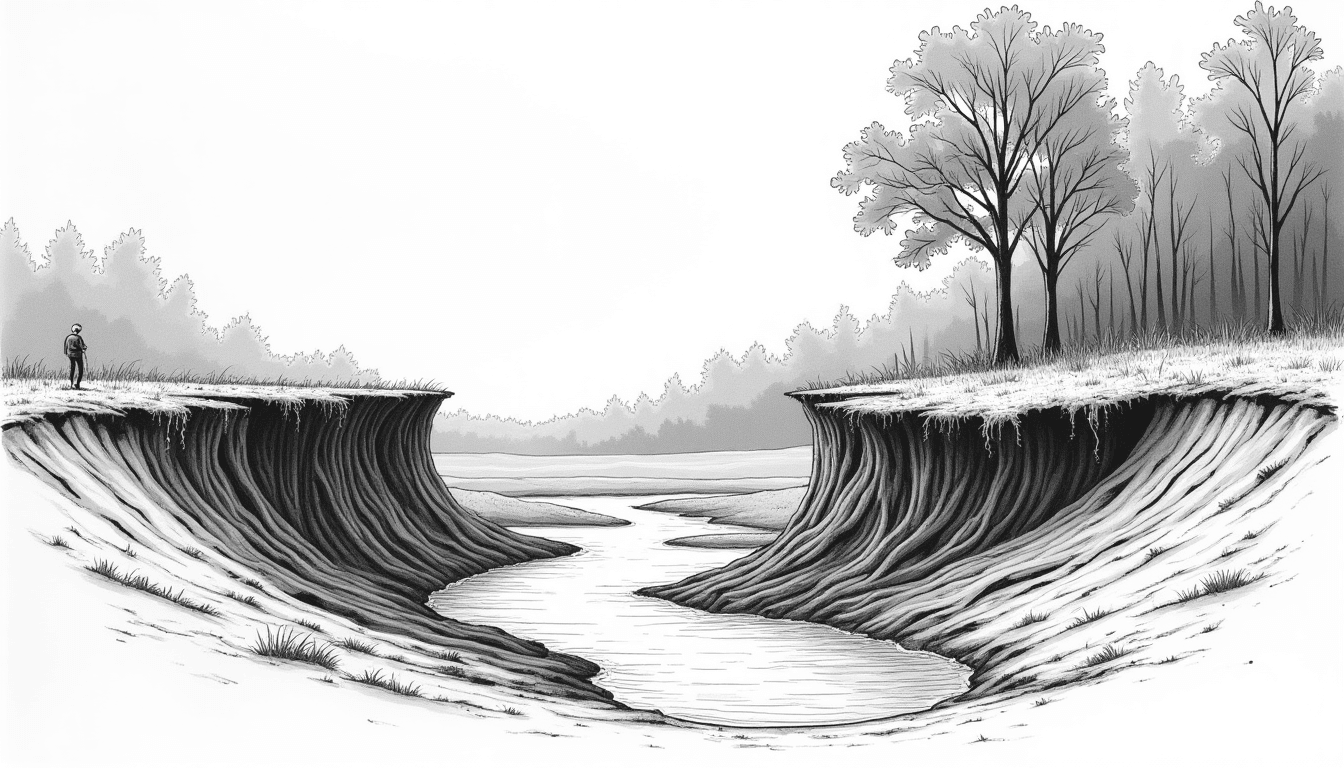
The University of Florida’s Graham Woods Stormwater Improvement Project has drawn public scrutiny over plans to remove trees from a campus woodland, but UF officials argue the work is necessary to address severe erosion, failing stormwater infrastructure, and sediment flowing into Graham Pond and Lake Alice. The 2024 Lake Alice Watershed Plan identified Graham Woods as a priority restoration site due to deep channeling, destabilized streambanks, and public safety hazards caused by increasingly concentrated stormwater flows. UF contends the project’s broader goals — stabilizing slopes, removing invasive species, and reestablishing native vegetation — make tree removal a component of environmental repair rather than destruction.
Read both sides →
Sources: UF News