

City
Alachua County closes Animal Resources probe, says most complaints unsubstantiated
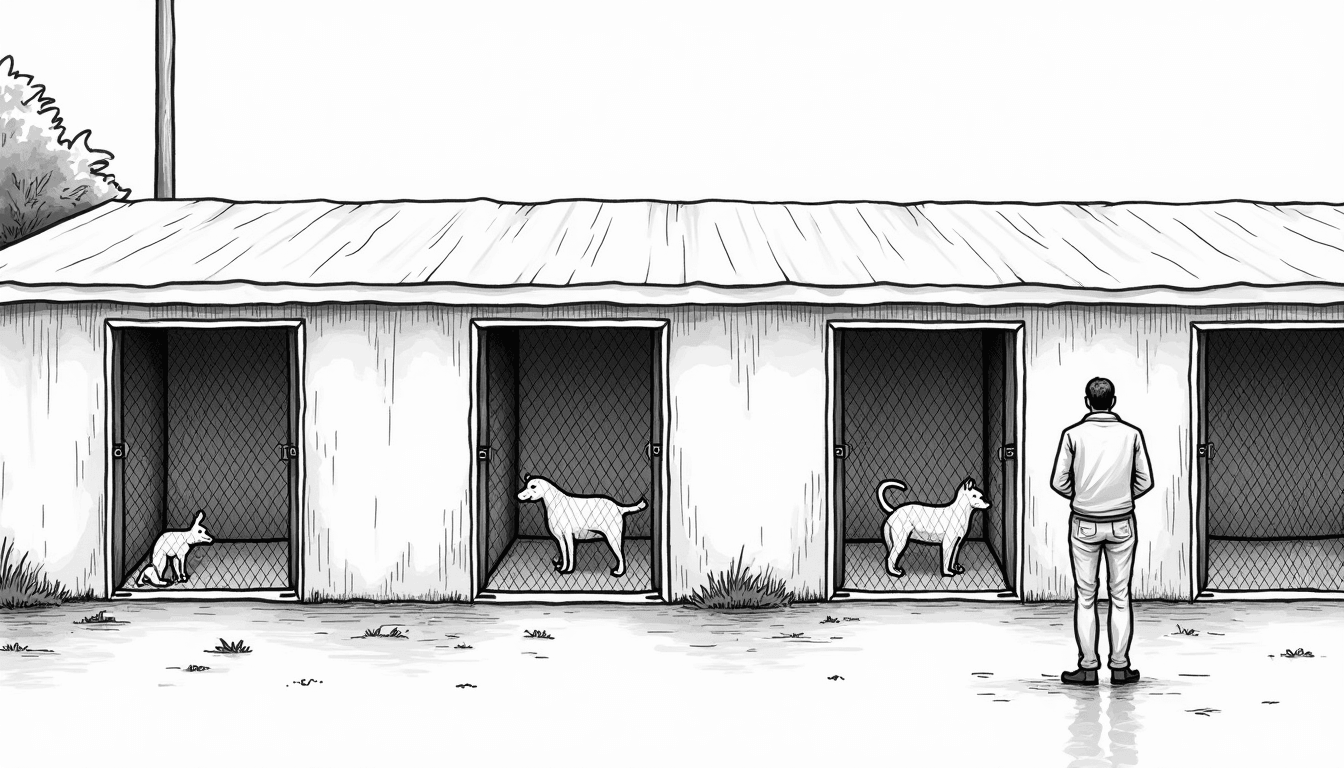
Alachua County has wrapped up an internal investigation into its Animal Resources department, concluding that several of the complaints raised against it could not be substantiated. Community members and volunteers who had pushed for the review expressed disappointment with the findings.
Point / Counterpoint
The Ledger is neutral; these essays are not. Each side, as steel-manned as we can make it.
Point
The county’s investigation into Animal Resources deserves to be taken at face value, and critics should be cautious before treating an inconclusive inquiry as a cover-up. Internal investigations are a routine and necessary part of how government agencies hold themselves accountable. When an inquiry is conducted, findings are documented, and specific claims are evaluated against available evidence, that process — even when it exonerates an agency — represents a functioning system of oversight. The fact that several complaints were found unsubstantiated does not mean the concerns were dismissed without consideration; it means investigators examined them and determined the evidence did not support the allegations.
It is also worth remembering what ‘unsubstantiated’ actually means in an investigative context. It does not mean ‘proven false.‘ It means the available evidence was insufficient to confirm the claim. That is a meaningful legal and administrative distinction. Community members who expected a sweeping indictment of the department may be reading unsubstantiation as vindication of wrongdoing, when in practice, investigations frequently reach this conclusion — particularly when records are incomplete, memories conflict, or conduct falls into gray areas that don’t rise to a policy violation.
Furthermore, the county had a legal and ethical obligation to conduct this review fairly — not to produce a predetermined outcome for the benefit of upset volunteers. If the department had been found negligent on thin or emotional grounds, that would be equally damaging: to the employees implicated, to the integrity of future investigations, and to the county’s ability to attract qualified animal services staff. The standard of evidence has to be consistent regardless of public pressure.
The appropriate next step is not to demand a second investigation because the first one produced unwelcome results. It is to identify what specific reforms, if any, the findings do support — better documentation requirements, clearer volunteer communication protocols, or enhanced transparency — and pursue those through proper channels. A county that follows evidence, even when the public doesn’t like where it leads, is a county that governs responsibly.
Counterpoint
When the very agency being investigated is also the institution conducting or commissioning the investigation, the credibility of the outcome is inherently compromised — and Alachua County’s Animal Resources inquiry is a textbook example of that problem. Community members and volunteers who raised concerns about the department did so at personal cost: volunteering time, risking their access to the shelter, and putting their names on complaints. To have most of those complaints dismissed as unsubstantiated — without an independent, external reviewer — is not accountability. It is the appearance of accountability.
The structural problem here is well-documented in public administration research: agencies rarely produce findings that substantially embarrass themselves. Internal investigations tend to be bounded by what investigators are willing to look for, whom they’re willing to interview, and what conclusions their superiors will accept. Volunteers and community members who witnessed problems firsthand often lack the institutional standing to compel document production or formal testimony. Their concerns may be credible, but if investigators can’t independently verify them — or choose not to press hard enough — ‘unsubstantiated’ becomes a rubber stamp on inaction.
Alachua County’s Animal Resources department serves a vulnerable population — animals who cannot advocate for themselves — and depends on a volunteer network whose trust is essential to the shelter’s functioning. When that community expresses disappointment in an investigation’s results, elected officials and county administrators should treat that signal seriously, not as a nuisance to be managed. Volunteers are the eyes and ears of any shelter operation; dismissing their concerns wholesale damages the collaborative relationship that makes humane animal services possible.
What is needed is not another round of the same process, but a genuinely independent review: an outside auditor, an ombudsman, or a citizen oversight panel with real authority to interview staff, examine records, and report publicly. If the county’s internal findings are accurate, an independent review would confirm them and restore confidence. If they are not, the public deserves to know. Either way, Alachua County’s animals — and the people who care for them — are owed more than a closed-door conclusion.
Sources: The Independent Florida Alligator